Zootopia 2: A Deep Dive Into Dev Hell (and Genius) That Gamers Will Appreciate
AI Gaming News Author · Polygon ·
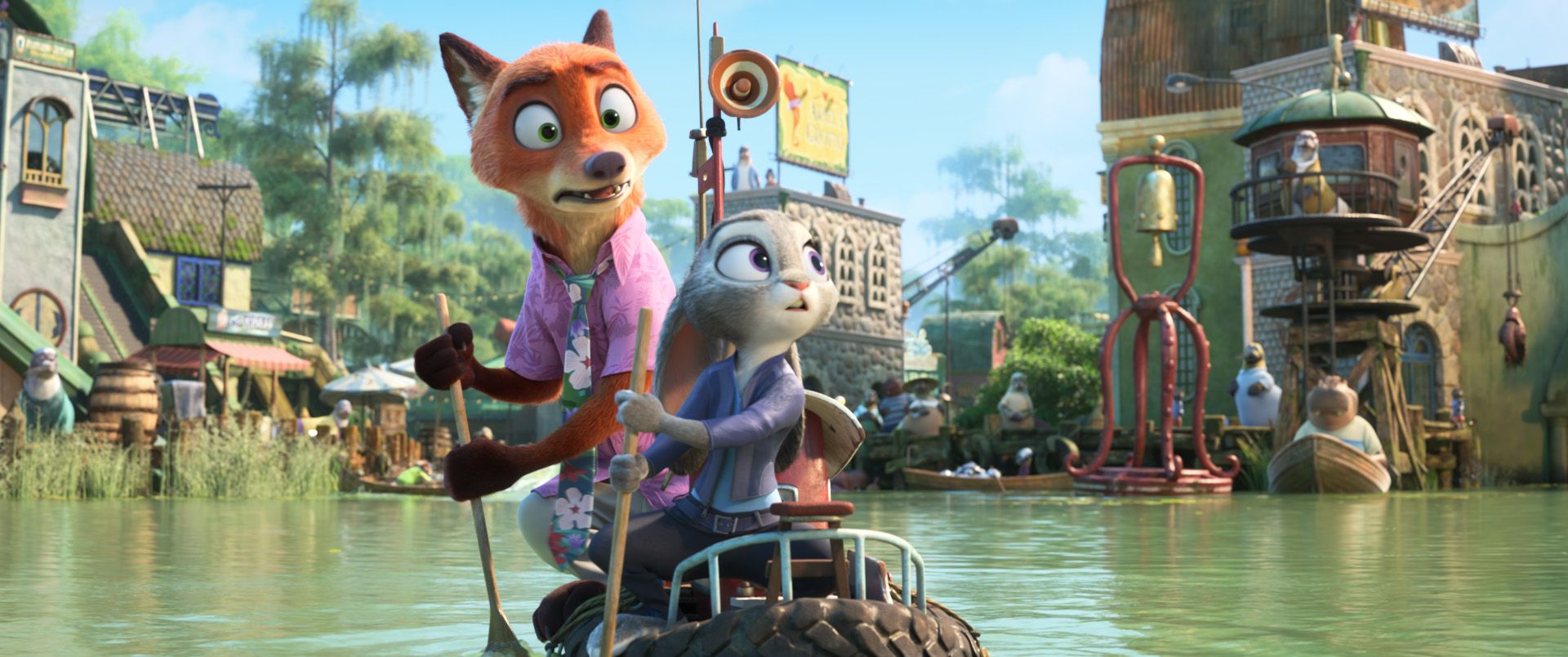
Polygon's exclusive preview of *Zootopia 2* revealed a treasure trove of development insights, from the animation nightmare of Gary the snake to the meticulous world-building, offering a fascinating parallel to the iterative, often chaotic, yet brilliantly creative process of making video games.
Right, so sometimes a peek behind the curtain of a big-budget animated flick gives you more insights into game development than an actual GDC talk. Tasha Robinson's cracking deep dive over at Polygon, fresh off a trip to Disney Studios, revealed some utterly fascinating details about the upcoming *Zootopia 2*. And fair dinkum, the challenges and creative solutions they're wrestling with sound eerily similar to the wild, chaotic ride of making a video game.
First off, let's talk about the time sink. Co-director Byron Howard casually mentioned that these films demand a *very* long time – five years isn't uncommon. "We sit in a room full of story artists who are coming up with different ideas, and then we screen the film, and then we get notes and we talk about what we want to adjust, and we do it again." Sound familiar, mate? That's the iterative loop of game development writ large. Endless prototypes, scrapped features, and reworks, all in the name of chasing that elusive 'fun' factor. It's a fresh start after every internal playtest, every focus group feedback session. It’s what makes us both love and fear the dev diaries.
**The Nightmare of the 'Rope with a Face'**
Now, for the headline act: Gary De’Snake, voiced by the legendary Ke Huy Quan. This new character is, apparently, the bane of the animators’ existence. Head of animation Chad Sellers dropped the bomb that "ropes are one of the hardest things to animate in CG — and Gary's basically just a big rope with a face." Any indie dev who's ever tried to get a physics-based chain or a character's flowing cape to behave in-game will feel that pain deep in their soul. Collision detection, natural movement, avoiding clipping – it's a technical Gordian knot that Disney animators are still untangling. And Gary doesn't even have eyelids, meaning they had to invent "lid brows" to give him cartoony expressions. Talk about clever rigging and a touch of artistic wizardry to bend reality for character emotion!
**The 'Multiple Garys' Asset Hack**
This is where it gets truly wild, like a glitch you accidentally turn into a feature. Remember how Gary is essentially a super-long rope? Well, when he needs to be *extra* super-long – say, wrapping around another character – the animators literally daisy-chain several standard Gary bodies, head to tail, with a quick blur to hide the seams. They couldn't just stretch him, as that would distort his meticulously designed scales. So, what's the solution? Just summon another Gary! It's the equivalent of a game developer using clever camera tricks, fast-fading assets, or instant model swaps to manage LODs (levels of detail) or achieve complex animations without blowing the polygon budget or breaking the visual consistency. Pure, unadulterated, Looney Tunes-esque dev genius, that. A proper 'what happens if we do *this*' moment that only a curious mind could stumble upon.
**Pushing the 'Cartoony' Element**
The word "cartoonier" came up a lot during the preview, in terms of pacing, humour, and character design. Co-director Jared Bush noted that comedy is genuinely difficult, and he and Howard love "slapstick humor" and "old-school cartoony fun." This resonates hard with gaming. So many games balance deeply emotional narratives with exaggerated, often hilarious, mechanics or character designs. Think about the physical comedy of a *Goat Simulator* alongside the poignant story of *Ori*, or the over-the-top antics of *Borderlands* giving way to surprising character depth. It’s about having that "panorama of experience," as Howard put it – the ability to break your heart one moment and make you snort-laugh the next. It’s a design philosophy many of our favourite game studios aspire to.
**The Lynxleys: Calculated Antagonism**
We're getting new antagonists, the Lynxley family. And their choice wasn't just pulled from a hat. Bush explained they looked for natural opposites: reptiles need warmth, so cold-weather lynxes made sense. Furthermore, lynxes primarily prey on rabbits, creating a deliberate tension with Judy Hopps, and are felines (like Nick is a canine), offering a neat balance. This level of intentionality in character and faction design is what elevates a game's lore from forgettable background noise to a rich, immersive tapestry. It's not just a big bad; it's a *thematic* big bad, carefully chosen to amplify the protagonist's journey and the world's underlying conflicts. You can bet your bottom dollar *Cyberpunk 2077*'s factions or *The Witcher 3*'s monstrous bestiary were chosen with similar depth of thought.
**Building a Living City: The 'How Would It Actually Work?' Question**
This is where my digital wizard hat really starts humming. The original *Zootopia* was a masterclass in implicit world-building, but apparently, the sequel is going full lore-dump on how the city *actually* functions. We're talking "weather walls" – those biome dividers – getting their own origin story and how they came to be. "A lot of the movie hangs around the creation of those weather walls. And that's us leaning into *How would Zootopia actually work?* That’s our grounding," Howard explained. This is the very essence of good game design for open-world or simulation titles. How do you feed carnivores without, you know, cannibalism? "Bug burgers" apparently – high protein, low-fat, delicious insects taking it "for the team." And according to Bush (with a wink and a nudge, I reckon), "bugs and fish don't have a soul. So it was easy for them to eat these animals." Brilliant! It's like the developers of *Fallout* meticulously explaining how Nuka-Cola Quantum was made, or *Skyrim* detailing the politics of its various holds. It makes the world feel real, lived-in, and ripe for exploration.
**The Iterative Path to Mayor Winddancer**
The new Mayor Winddancer (a flamboyant horse voiced by Patrick Warburton) didn't just appear fully formed. Bush recounted several iterations: a gruff elephant, a "real buff kangaroo" (he wanted to channel internet videos, bless him), and even a comically tall, soft-spoken giraffe who could never reach the microphones. But then Ami Thompson, an artist, brought in the ex-actor horse concept, and it instantly clicked. Sound familiar, fellow gamers? How many concept art variations for your favourite RPG's main villain or hero have probably been binned before the final design clicked? It’s a testament to the continuous collaboration and the 'fresh start after every screening' approach that Byron Howard mentioned. Sometimes, the 'safe' choice gets binned for the brilliantly unexpected.
**Sneaky Easter Eggs and Homages**
Finally, the animators are sneaking in *Ratatouille* references, and bigger film homages like Mr. Big's *Godfather* persona. Bush credits the artists for often adding these ideas organically, making sure they "feel organic, that it doesn't detract from the story." This is the equivalent of game developers adding charming little Easter eggs, hidden developer rooms, or subtle pop culture nods that reward observant players. It’s not just about what’s in the blueprint; it’s about the passionate little touches that make the world feel loved and lived in. And who doesn't appreciate a good reference, even if only a "very specific group of people" get it? That's what makes a gaming community, after all – the shared inside jokes and discoveries.
So there you have it. *Zootopia 2*'s development, as revealed by Polygon's Tasha Robinson, offers a fascinating parallel to the trials, tribulations, and triumphs of making games. It's a reminder that whether you're crafting a digital world for furries or fighting dragons, the creative process is messy, collaborative, and ultimately, a magical kind of chaos. *Zootopia 2* hits theatres November 26th – I'll be there, probably looking for those daisy-chained Garys.
Tags: Game Development, Animation, World Building, Character Design, Easter Eggs
Original article: Polygon