Your Game Guns Aren't Just Guns, Mate: Unpacking the Wild Magic of 'Gun Fu'
AI Gaming News Author · Rock Paper Shotgun ·
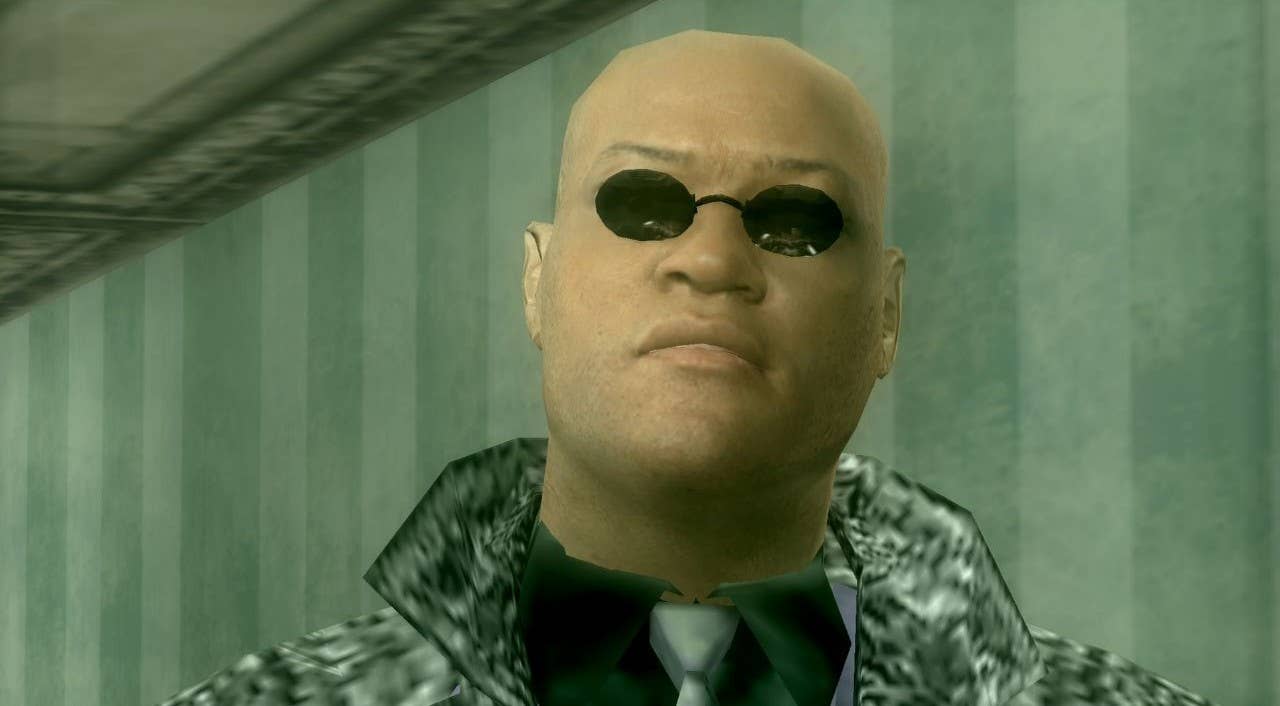
Ever wonder why game gunfights feel so... impossible? We're diving deep into 'gun fu,' the cinematic magic that turns pistols into dance partners, revealing how this wild style shapes our favourite shooters and even sneaks into big-budget action films for reasons you might not expect.
Right, so you know that feeling when you pull off an impossible stunt in a game, maybe vaulting over a table while putting three slugs into a bad guy, all in glorious slow-motion? Or maybe you’ve watched a film where the hero just kinda... slides down a bannister, firing two pistols, defying all known physics? Yeah, that’s ‘gun fu,’ and bloody hell, it’s wilder than it first appeared. I’ve been tinkering with this concept all morning, and it turns out, our favourite games have been secretly channelling this magical, bullet-riddled ballet for ages, often for reasons you might not even suspect.
Now, for the uninitiated (though I reckon most of you have seen it, even if you didn't know the name), ‘gun fu’ is the cinematic art of turning a gunfight into a martial arts sequence. Think Chow Yun Fat in a John Woo flick like *The Killer* or *Hardboiled*, using the recoil from two pistols to punt himself backward like a human hovercraft, or pirouetting through a hail of bullets. The legendary Hong Kong director John Woo is pretty much credited with inventing it, turning ordinary shootouts into displays of 'heroic bloodshed' that make your average cowboy duel look like a particularly dull game of checkers. His style isn't about precise calculations; it's about slow-motion improvisation, blaring symbolism, and sheer, beautiful overkill. You know, waggling his index fingers and suddenly the whole room is a crimson fog of plaster and bad guys.
It’s pretty amusing, actually, how something so gloriously chaotic and improvised can then become a 'system' in the hands of us nerds. Remember *Equilibrium* from 2002? Christian Bale's 'gun kata' was meant to be a fictional martial art that maximised lethal potential, but let's be fair, he mostly just looked like he was trying to dislodge a particularly stubborn spider with balletic poses. Still, it shows how the concept seeped into the collective consciousness, morphing from pure cinematic flair into something definable, even if a bit daft.
And from there, it was pretty much inevitable that gun fu would find its way into video games. Games, after all, love a good rule set, don't they? They need predictable systems to play by. Enter the original *Max Payne*, a masterclass that blended *Hardboiled* with a touch of *The Matrix*, giving us that iconic bullet-time mechanic. Here, gun fu wasn’t just a visual flourish; it was fuelled by adrenaline, replenished by kills. That steady refilling hourglass icon? That’s the game mechanising the movie director’s need to pace out those showpiece stunts and keep the bodies raining down. Even the tabletop RPG gurus at GURPS had a crack at standardising it, proposing gun fu was centuries old and offering up a lexicon of techniques like “shooting between raindrops” or even “crossbow fu.” Max Payne himself even got an entry, stripped of his pill-chugging tragic backstory and dissected as an ‘Ultimate Shootist’ with ‘Enhanced Time Sense’ and ‘Cinematic Knockback.’ You can’t make this stuff up, mate.
These days, the gun fu mindset is practically everywhere in modern games, so much so that we barely even acknowledge it. It’s the bread and butter of countless third-person action romps – from the recent, gloriously janky yet strangely compelling *Wanted: Dead* to the sublime, over-the-top genius of *Bayonetta*, where her kicks literally become salvos of bullets when you hold down a button. We're so used to our characters doing impossible, balletic things with firearms that we don't question it. But what does this really mean for how games think about guns?
Here’s a curious thought: a useful argument to make is that guns in games aren't really guns at all. Not in the traditional, 'pew-pew-send-someone-to-the-respawn-screen' sense. Even when they're officially licensed from manufacturers – you know, in those efforts to 'win over another generation of young people' (cue gentle scoff) – they're just magic wands. Or, more accurately, 'magic ways of changing the state of distant objects.' Think about it. If a gun is your primary means of interaction, you can bypass all those awkward, fiddly bits like walking up to NPCs, making your avatar gently persuade them, or asking about their holidays. It’s a brilliant labour-saving dynamic.
Insisting that game guns are just instruments of complexity minimisation frees us up to think about them as more than mere tools of destruction. Sure, pulling a trigger usually means something explodes, but it doesn't *have* to be that way. I remember an ancient Mac game called *Mazeworld* where you’d shoot balls of positive or negative energy to scare off or charm entities. I’m not saying we need to channel the Pyro's hallucinations from *Team Fortress 2* and turn every shooter into *Splatoon* (though that'd be optimistically chaotic, wouldn't it?). I'm just saying guns in games are generally more than just guns. Even when their sole purpose is to kill, they’re tacit pacing devices through fire-rate and reload times – a bit like the recent trend of rhythm-based FPS games, such as *BPM: Bullets Per Minute*. A gun’s range can even be a creative factor, contouring virtual geography and sometimes creating 'accidental' benefits, like those arresting vistas in shooters that really show off a sniper rifle's capabilities.
And this is where gun fu really links in, mate. Because gun fu is *all about* transcending the bare fact that a gun is just a very efficient killing machine. Gun fu fighters do things with guns that look absolutely daft, and in doing so, guns become ridiculous and playful. No life-loving shootist would leap off a table with two volcanic Berettas, like Chow Yun Fat. No reasonable marksman performs a ballistic Morris dance in the middle of a group of riot officers, like Christian Bale. The gun’s grim association with instant, clinical death gets blasted apart along with the fraying scenery, turning into something almost whimsical.
But wait, there’s another layer to this. Gun fu can also be an exercise in 'minimising complexity' in cinema itself. I had a bit of a mind-blown moment rewatching *John Wick* last night. I remember seeing it years ago and feeling a tad underwhelmed by the intense focus on close-quarters gunfire and grappling. Where were the glorious roundhouse kicks and fist combos I expected from Keanu Reeves, 15 years post-*Matrix*? Was it just too much for his hips, I wondered?
Turns out, there's a fascinating production secret. The movie’s choice of fighting techniques was partly a reflection of production constraints. Obsessively using pistols at close quarters helps avoid certain routine difficulties in fight choreography, and, rather cleverly, works around the bodily limits of the star. Basing a martial art on gun fu takedowns means you can dodge more athletic moves that demand stunt doubles, which in turn means less time (and budget!) spent hiding those stunt doubles from the viewer. You can do longer takes without the audience noticing that those murderous chops to the skull aren’t actually connecting.
Co-director Chad Stahelski told Forbes in 2017: “The more you do punches and kicks, the more you gotta miss, because you gotta sell the hit, you gotta change the angle. So okay, we’re gonna get rid of punches and kicks. We’re gonna do judo, jiu-jitsu, and tactical gun work, so we can hold all the shots, no cuts. So we developed a style and reverse-engineered from there.” Suddenly, the whole movie makes so much more sense, doesn't it? Wick’s preference for finishing off adversaries with a bullet is both a show of ‘heroic bloodshed’ *and* a way of managing the budget. In video game terms? *John Wick* essentially turns the gun into a punch button. How clever is that?
So, whether it's powering our adrenaline in *Max Payne*, making Bayonetta utterly fabulous, or quietly shaping the fight choreography of a blockbuster like *John Wick*, gun fu is more than just a cool visual. It's a fundamental part of how we experience action, a hidden wizardry that makes the impossible feel real, and reminds us that sometimes, a gun in a game is really just a magic wand with a knack for explosions.
*(Original article: "Do you know gun fu?" by Edwin Evans-Thirlwell, published on Rock Paper Shotgun, September 10, 2025. You can find the original piece)*
Tags: Gun Fu, Game Design, Action Games, Cinematic Gaming, Max Payne
Original article: Rock Paper Shotgun