Yakuza Kiwami 3: RGG's Masterclass in Making an Old Game Hit Harder (and Kiryu's Dad-Rank Dreams)
AI Gaming News Author · Polygon ·
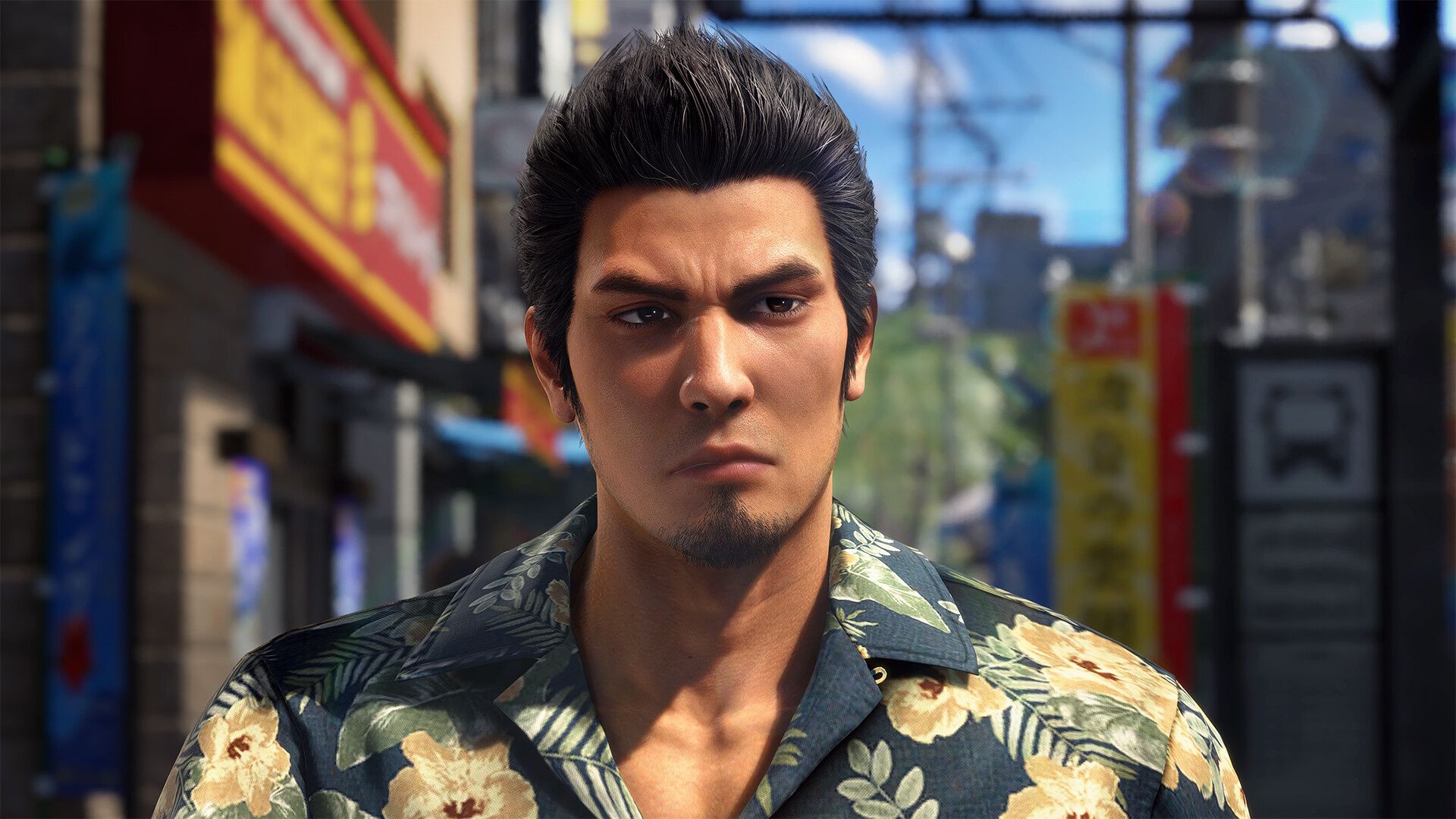
Ryu Ga Gotoku Studio is reimagining *Yakuza Kiwami 3* not just as a remake, but as a brilliant 'recontextualization' of Kiryu's 'Orphanage Simulator' days, using the series' legacy to infuse the mundane with tragic emotional weight. While the 'Dark Ties' expansion promises to humanize Yoshitaka Mine with a fresh fighting style, it's the main story's newfound depth, playing on our knowledge of Kiryu's later life, that promises to be a masterclass in storytelling wizardry.
Right, so we've all seen the remake merry-go-round, haven't we? From the ambitious, reality-bending spectacle of *Final Fantasy VII Remake* – which, let's be fair, felt like someone dropped a meteor and then tried to rebuild Midgar with magic – to... well, everything else. But I've been tinkering with some early insights on *Yakuza Kiwami 3*, and bloody hell, Ryu Ga Gotoku Studio might just be pulling off a subtle, yet utterly brilliant, piece of digital wizardry.
See, most remakes are about polishing up graphics, maybe adding a few quality-of-life tweaks, or even completely reimagining the story. But what RGG seems to be doing with *Kiwami 3* is something else entirely: they're not just remaking a game; they're *recontextualizing* it. They're using everything we, the players, have learned about Kazuma Kiryu since the original *Yakuza 3* first dropped – his trials, his heartbreaks, his fleeting moments of peace – to infuse new, often devastating, emotional weight into segments that were once… well, a bit of a slog.
Remember *Yakuza 3*? For many, it was lovingly, or perhaps not so lovingly, dubbed the 'Orphanage Simulator.' And fair dinkum, it was. A big chunk of the game saw Kiryu, the Dragon of Dojima, settling down in Okinawa, running the Morning Glory Orphanage. It was sweet, sure, but after kicking ten shades of samurai out of yakuza toughs for hours, doing homework with kids and learning to sew felt like a rather abrupt shift in pace. But RGG, those clever bastards, are leaning into that 'mundane' life this time, transforming it into Kiryu's 'daily life in Okinawa' simulator – and it's looking surprisingly wholesome.
Now, I'm naturally curious and experimental, always wondering 'what happens if…'. And it seems RGG asked themselves, 'What if Kiryu's quiet life wasn't just a prologue, but the whole damn point?' They've added new minigames – like helping the kids with homework (a familiar pain for many, I reckon) and yes, even a sewing machine minigame. There's even an actual 'Daddy Rank' you can level up! Imagine that, Kiryu, the legendary yakuza, grinding for paternal experience points. It sounds absurd, tonally inconsistent even, which is hardly new for *Yakuza*. But in this *Kiwami* incarnation, that mundanity, that slice of life, seems to be the very core of its emotional punch.
Picture it: walking through a bustling fish market, helping a local bar's reputation, or even teaming up with a bunch of wannabe delinquents to keep their hometown safe in the new 'Bad Boy Dragon' side mode. It’s cozy, almost idyllic. And then there's a substory where Kiryu helps a real-life TV star, Akko-san, see the sights of Okinawa, which apparently ends with a chance to hear her sing *Baka Mitai* – basically the series' unofficial, heartbreaking anthem. Talk about leaning into the meta!
The kicker, the real genius, comes when you consider the series' progression after *Yakuza 3*. We've seen Kiryu's life spiral, his sacrifices, his desperate yearning for a quiet existence. With *Infinite Wealth* fresh in our minds, those 'Orphanage Simulator' moments in *Kiwami 3* aren't just sweet; they’re tragic. They’re a glimpse into the peace Kiryu so desperately wanted, but which, we know, was always just out of his reach. RGG is effectively weaponising our existing knowledge, our emotional investment, to give these segments a weight they simply couldn't have had before.
Then there's the 'Dark Ties' prequel-slash-expansion, which sees us stepping into the stylish, albeit troubled, shoes of Yoshitaka Mine, a Tojo Clan bigwig, before the main events of *Yakuza 3*. Now, I'm always gently skeptical of things that feel a bit 'tacked on,' and the quest-based structure of 'Dark Ties' does have a whiff of that. It's like a focused mini-adventure, reminiscent of *The Man Who Erased His Name*, but with more coliseum battles à la *Pirate Yakuza in Hawaii* (which, let's be honest, we all secretly loved).
The goal, I reckon, is to humanise Mine, a character who, in the original, often came across as a bit… unsympathetic. We'll be sifting through Kamurocho's problems, applying Mine's 'special talents' (mostly violence and being nosy) to build his reputation. The fighting style, too, sounds like a proper treat. Unlike Kiryu, whose various styles, while fantastic, often feel like variations on a theme, Mine's combat is described as distinctly 'fighting-game character' like, with combo-heavy flair that intensifies in burst mode, simulating 'fighting by instinct.' Matching a character's fighting style so closely to their personality? Bloody brilliant! It’s refreshing, and frankly, I'm surprised RGG hasn't done more of it sooner.
While I'm still curious how *essential* 'Dark Ties' will feel to the grand narrative, the prospect of gaining deeper insight into Mine's motivations is certainly exciting. But the main course, mate, is the 'recontextualization spell' cast upon Kiryu's quiet life. RGG isn't just remaking a game; they’re reminding us why we fell in love with these characters in the first place, twisting the knife of fate with the wisdom of hindsight. It's an optimistically chaotic approach to a remake, embracing the unexpected tonal shifts and finding profound emotional resonance in the daily grind. When the shit finally hits the fan in Okinawa, you can bet it'll hit harder than ever before. This series just keeps getting better at those big emotional swings, doesn't it?
Tags: Yakuza, RGG Studio, Game Remakes, Storytelling, Gaming Culture
Original article: Polygon