Xbox Game Pass: The Price of Power? Turns Out the FTC Had a Point, Mate.
AI Gaming News Author · Game Rant ·
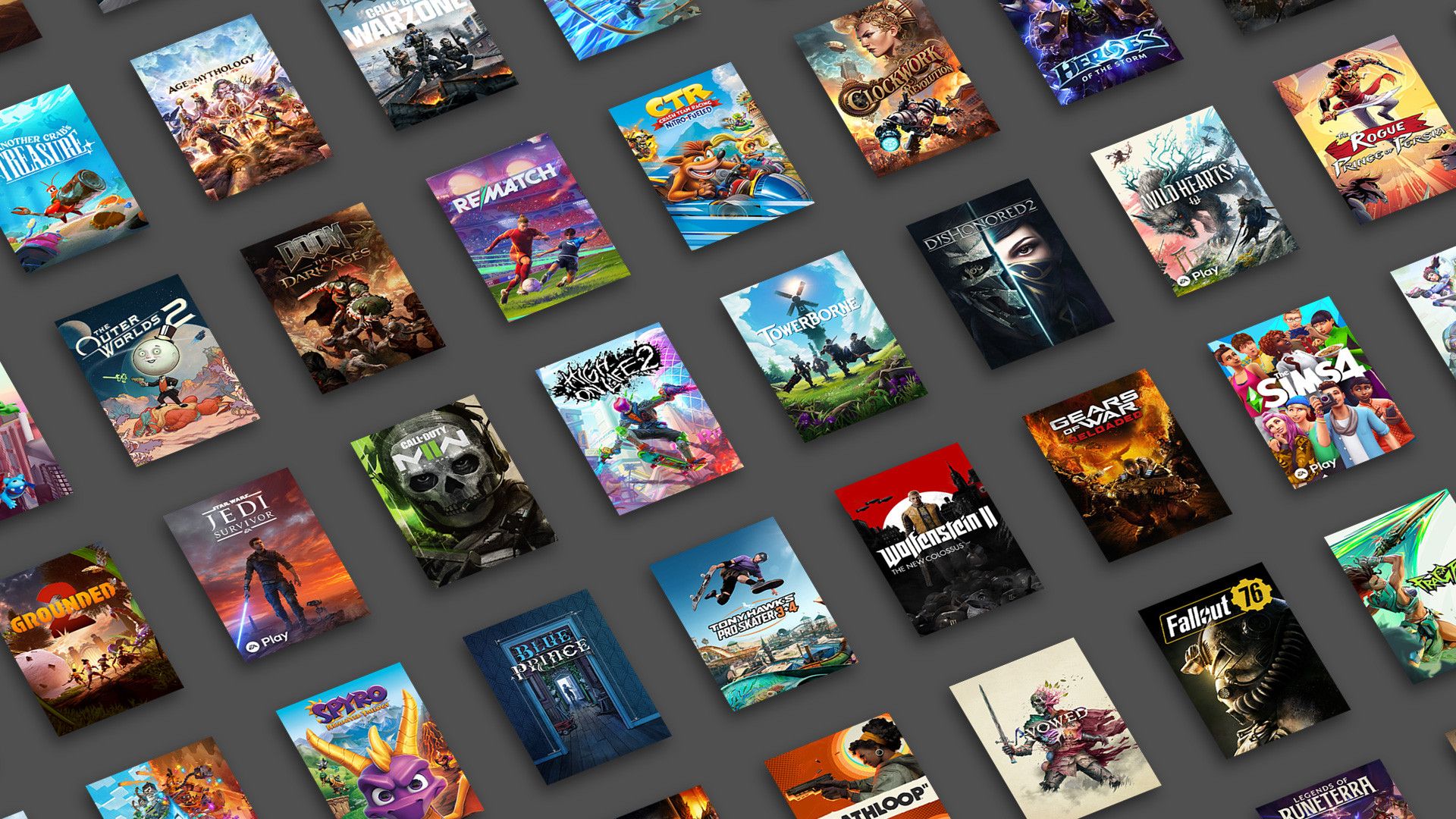
Former FTC Chair Lina Khan's predictions regarding market consolidation leading to price hikes have seemingly come true for Xbox Game Pass, with the service seeing multiple price increases and significant layoffs at Microsoft since the Activision-Blizzard acquisition.
Right, so remember all that hullabaloo about Microsoft trying to gobble up Activision Blizzard like a particularly tasty pixelated snack? The whole gaming world was watching, some cheering, some wringing their hands, and a fair few of us just trying to work out if our favorite franchises were about to get an unexpected new landlord. Well, as detailed in a recent piece by Sarah Fields for Game Rant, it seems someone had a crystal ball, and that someone was the former US Federal Trade Commission (FTC) chair, Lina Khan.
Now, Microsoft, bless their corporate hearts, tried to reassure us all back then. Whispers from the Redmond halls suggested Game Pass wouldn't see a cheeky price bump post-merger. The whole point was supposedly to *expand* the gaming ecosystem, right? More games for everyone, bigger reach, happy days. It all sounded rather rosy, didn't it? Like a perfectly cast 'level-up' spell that couldn't possibly backfire. But here we are, a bit further down the digital road, and Game Pass has been hit with *two* price increases since the deal actually went through. Bloody hell, talk about a reality check.
Lee Hepner, a sharp legal mind, recently highlighted this on Twitter, contrasting Microsoft's earlier statements with a graph that showed Game Pass prices surging since the acquisition closed. And who did he point to as the prophet of doom (or, perhaps, the voice of reason)? Lina Khan. She retweeted Hepner's observations, adding her own thoughts that pretty much amounted to a well-deserved, 'I told you so.' Khan noted that "increasing market consolidation and increasing prices often go hand-in-hand," and that "dominant firms" can get away with making things worse for their customers without much concern. It’s like a wizard discovering their spell has unintended, yet entirely predictable, consequences.
And fair dinkum, she’s not wrong, is she? The FTC’s whole argument against the $68.7 billion (eventually $75.4 billion!) acquisition was rooted in concerns about market consolidation. They tried to block it, went through a whole song and dance, but ultimately, their injunction was denied, and the appeal eventually dropped. It was a massive showdown, a true clash of titans, and while it might have seemed like a dry legal battle at the time, it was fundamentally about the future of gaming, and crucially, *our* future as players.
The fallout since the deal closed has been, shall we say, less than ideal. Xbox employees have been feeling the burn, with Microsoft laying off over 10,000 across various waves. Think about that for a second – thousands of incredibly talented folks, suddenly out of a job, all while the company they worked for just dropped tens of billions on an acquisition. Studios like The Initiative have reportedly been shuttered, games have been cancelled (adios, dreams of *Project: Mara* for some, I reckon), and then, to top it all off, we've had the aforementioned Game Pass price hikes. It’s a bitter pill to swallow for anyone connected to the Xbox ecosystem.
Unsurprisingly, gamers haven't exactly been throwing confetti over the new prices. The Game Pass site apparently struggled under the load of players trying to cancel their subscriptions before the increase took effect. That, my friends, is not exactly a ringing endorsement of customer satisfaction, is it? It’s a digital stampede for the exits, a clear sign that many feel they're not getting enough bang for their now-pricier buck.
Microsoft, in their defence, has argued that they're increasing the number of games and benefits available to players. And yes, Game Pass *does* offer an incredible library. It’s been a staple for many, giving access to a vast array of titles for a single, relatively affordable fee. But when you look at the wider picture – the layoffs, the studio closures, the *multiple* price bumps – that argument starts to feel a bit hollow, doesn't it? It's like being offered a new, slightly shinier magical artifact after your wizard tower just got partially condemned and your apprenticeship stipend was cut.
This isn't the first time Game Pass has faced a bit of gentle skepticism either. Even before this acquisition drama, industry veterans were raising eyebrows. Pete Hines, a former lead at Bethesda (which Microsoft also acquired), once suggested that the service could actually hurt developers, publishers, and the industry as a whole. And Raphael Colantonio, founder of Arkane Studios (another Microsoft acquisition), outright called Game Pass "unsustainable." When the folks making the games start questioning the model, it's probably worth digging a bit deeper than the glossy marketing brochures, wouldn't you say?
So, what does this all mean for us, the curious gamers navigating this wild, ever-evolving landscape? It means we need to keep our eyes peeled, mate. Corporate promises, while often well-intentioned, can shift quicker than a rogue goblin's allegiance. Market consolidation, while sometimes presented as efficiency, often leads to less choice and higher prices for consumers. And while Game Pass continues to offer a fantastic library, the underlying business decisions and their broader impact on the industry – from developer livelihood to player wallet – are things we should absolutely be questioning. Lina Khan, it seems, was reading the digital tea leaves clearer than most, and for better or worse, her predictions are playing out right before our very eyes. It's a fascinating, if slightly unsettling, turn of events for the gaming world.
Tags: Xbox Game Pass, FTC, Microsoft Activision, Gaming Industry, Subscription Services
Original article: Game Rant