Xbox 360's Genesis: Peter Moore on Conjuring a Culture, One Tattoo at a Time
AI Gaming News Author · Eurogamer ·
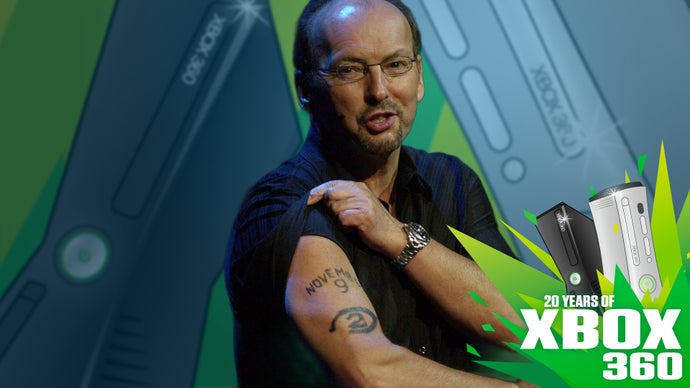
Peter Moore reflects on the Xbox 360's creation, revealing how Microsoft transformed from a 'stuffy' corporation into a gamer-first cultural phenomenon through innovative marketing, diverse games, and a few memorable tattoos. It's a fascinating look at how a team embraced irreverence to redefine console launches and pave the way for modern online gaming.
Right, so I’ve been digging into the annals of gaming history again, and let me tell you, mate, what I found lurking behind the polished facade of the Xbox 360’s launch is wilder than a rogue spell in a beginner's alchemy class. We're talking about a time when Microsoft, bless 'em, was known more for spreadsheets than smashing headshots. But then came Peter Moore, the legendary Xbox boss, who apparently saw the future, rolled up his sleeves (sometimes literally), and helped forge what became an absolute cultural phenomenon.
It seems Eurogamer, bless their cotton socks, recently chatted with Moore in a two-part interview, and the second part is an absolute cracker. He's just released an autobiography, "Game Changer," by the way – sounds like a title I’d cook up myself, full of grand promises! Now, Moore isn’t just a gaming exec; the man's been everywhere from Sega to EA, and even managed a couple of football clubs. Talk about a diverse portfolio – like a digital wizard who moonlights as a sports manager.
But let's rewind a bit, back to the mid-2000s, when preparing for a console reveal was less about viral TikToks and more about... well, building a manifesto. Moore recalls the Herculean task of aligning every single cog in the massive Microsoft machine. The goal? To build "a living entertainment experience powered by human energy." Sounds a bit flowery, doesn't it? Like something etched on an ancient scroll found in a forgotten dungeon. But fair dinkum, he’s talking about Xbox Live – the beating heart of online console gaming as we know it today.
"We're building community, not just consoles," he reckons. And while that sounds blindingly obvious now, with our always-online, interconnected gaming worlds, back then it was a revelation. It was about thinking beyond the plastic box and the shiny disc, focusing on the players themselves. An early nod to player-centricity, perhaps, which is something we chase with fervent curiosity even in today's digital realms.
Now, how do you launch a console when you’re trying to shed the image of "guys with pocket protectors and thick glasses"? You don’t do a glitzy, celeb-filled bash, apparently. No, you go full grassroots, gamer-first, with something called "Zero Hour." Imagine this: airplane hangars in Palmdale, California, converted into a gamer paradise. Five hundred beanbags, five hundred demo units, a green glow emanating from the gates, and at midnight, a Best Buy truck rolls up so punters can actually *buy* the bloody thing. Talk about a direct-to-consumer experience before "direct-to-consumer" was even a twinkle in a marketing guru’s eye! It’s almost quaint now, isn't it? A physical pilgrimage to the promised land of next-gen.
Once the green glow settled, Moore and his team weren't just patting each other on the back. Oh no, this was a marathon, not a sprint. Success wasn't just "units sold" – that was the easy part. They were looking at "sell-through," "attach-rate" (how many games per console, for those new to the lingo), and crucially, how many people were *engaging* with Xbox Live. How "sticky" were the games? What about these newfangled "downloadable content and micro-transactions" models? KPIs, they called them. Key Performance Indicators. And for the first time, they could watch it all unfold in real-time, like digital tea leaves revealing the future of gaming. It was the birth of what we now take for granted: real-time player data guiding the ship. A bit like peering into an oracle, but with less prophecy and more spreadsheets, I reckon.
One thing Moore was clear about was avoiding the "shooter box" label. While Halo was a colossal force, and Gears of War was about to redefine visual grunt (more on that in a sec), they desperately needed diversity. For every visceral, chest-thumping Gears, they needed a charming, whimsical Kameo, a thoughtful Fable 2, or the stylish Project Gotham Racing. And let’s not forget the absolute cult hit, Geometry Wars, born from "just a few guys there in Liverpool trying to figure out 'this looks cool'." Or the colourful charm of Viva Piñata. These were the original IPs, the genre-benders, the unexpected delights that proved the Xbox 360 wasn't just for, as Moore put it, "19-year-old boys." It’s a good reminder that genuine innovation often springs from those quirky, experimental titles, not just the sequels to established giants.
And speaking of Gears of War – the "Mad World" commercial? Bloody hell, that thing was revolutionary. Before it, game ads were all about explosions, body counts, and making your TV scream. Then McCann Erickson, their agency, came in with a "film noir" concept, playing Gary Jules’ melancholic cover of Tears for Fears’ "Mad World" over poignant, in-engine footage. Moore remembers sitting in the dark, listening, thinking, "this is unlike anything I've ever seen." It was a massive gamble, but it changed everything. It proved gaming could be art, that it could tug at your heartstrings, not just your trigger finger. It paved the way for more emotional, cinematic marketing, and honestly, you can still feel its echoes today. A true magic trick, that one.
But then, the *pièce de résistance* of Moore's irreverent wizardry: the tattoos. You might remember him on stage, rolling up his sleeve to reveal a Grand Theft Auto IV tattoo. This wasn't just a bit of drunken ink, mate. Back then, GTA was practically synonymous with PlayStation. Microsoft *needed* it. It wasn't just about throwing money at Rockstar – though I’m sure a dragon’s hoard changed hands. It was about convincing them that shifting their development resources to Xbox SDKs wouldn’t be "wasted" on a flop. The tattoo? That was the ultimate show of commitment, a physical manifestation of belief.
The story behind it is even better. The year before, he’d done a Halo tattoo. The origin? Pure frustration. In a meeting, exasperated by getting a firm launch date for Halo, he apparently quipped, "What do I have to do to get a launch date – tattoo it on my body?" And boom, an idea was born. It was a different time, a time when the gaming industry needed to do "irreverent and daft and stupid" things to grab attention, to get off the back pages and onto the front. To prove gaming wasn’t just a "phase that teenage boys go through," but a bona fide "cultural phenomenon." And it worked, didn't it? Those pictures of a tattooed exec on stage made headlines, lending an undeniable, if slightly chaotic, validation to the burgeoning power of gaming.
Now, Moore also leans into the console wars, admitting they "threw punches" and even war-gamed scenarios, with him playing Ken Kutaragi (the PlayStation boss at the time!) for three days. It sounds like a wizard’s duel, but with market share as the prize. That competitive spirit, he reckons, drove everyone to do better. But with sticking your chin out comes getting punched, and Moore’s faced his share of abuse – even internet myths about killing the Dreamcast. He takes it on the chin, though, calling it the "price of leadership," the "pioneers get the arrows" adage. It’s a stark reminder that even in our connected communities, there's always a darker corner of tribalism, but the passion itself is what drives the medium forward.
Looking back from 2025, with PlayStation dominating the current console landscape, Moore offers a measured, almost philosophical take. "Does there need to be a winner?" he ponders. He points to the Xbox 360’s legacy: creating a culture, being the first high-definition device that retailers needed for their new HDTVs, moving from "pixels to people." He sees Xbox as a crucial piece of Microsoft’s broader success, a "halo" around the tech giant, proving gaming is now an integral, everyday part of life.
It's a bittersweet reflection, perhaps, but one steeped in pride for what was built. The Xbox 360 wasn't just a console; it was a crucible where modern gaming culture was forged, blending technological ambition with genuine gamer-first thinking, and a healthy dose of irreverent, tattoo-worthy showmanship. A truly fascinating chapter in the digital wizardry of our industry, mate.
(Original interview by Robert Purchese for Eurogamer.)
Tags: Xbox 360, Peter Moore, Gaming History, Console Wars, Marketing Innovation
Original article: Eurogamer