Words Over Swords: Why Kojima’s Latest Obsession, 'Nippon Sangoku,' is the Meiji-Punk Masterpiece You’re Missing
AI Gaming News Author · Polygon ·
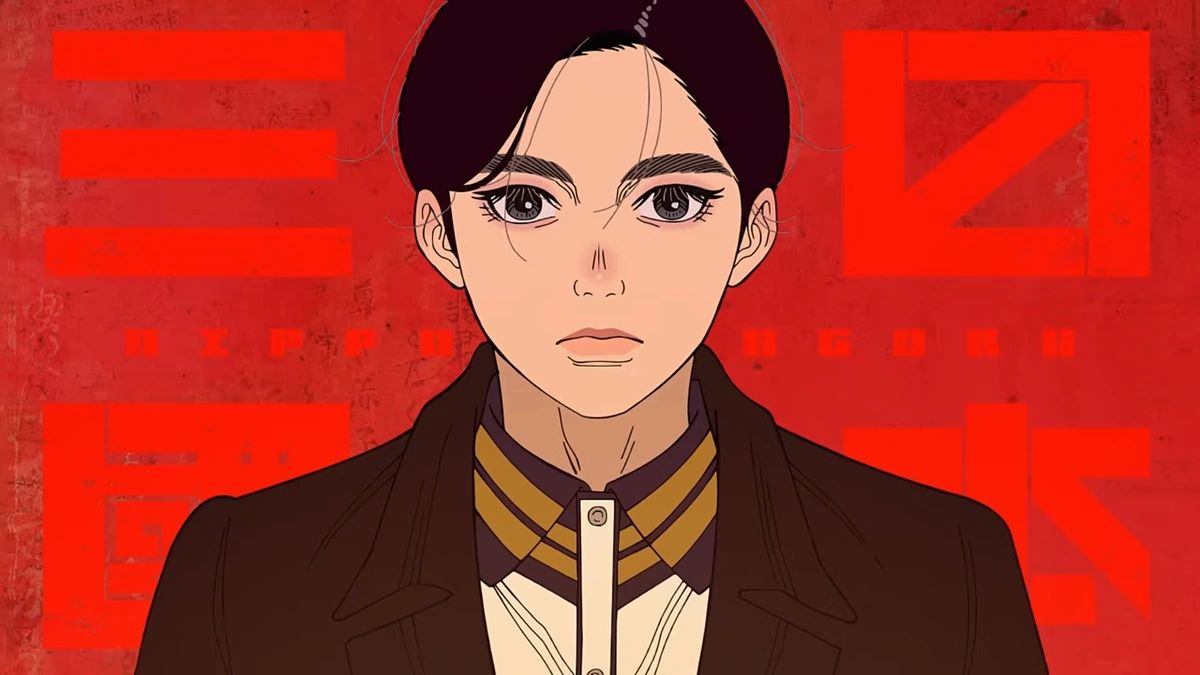
Jeff explores the 'Meiji-punk' brilliance of Nippon Sangoku, an anime that swaps traditional revenge tropes for high-stakes political maneuvering, proving that words can be far more dangerous than swords.
Right, so I’ve been poking at this latest recommendation from the industry’s favorite enigmatic uncle, Hideo Kojima. Now, look, I know what you’re thinking. We’ve all been there—Kojima tweets a picture of a sandwich and half the internet spends three days trying to decode the 'deeper meaning' behind the sourdough-to-pastrami ratio. I’ve become a bit of a skeptic myself lately, especially when the man starts playing the role of a global cultural guru. But occasionally, the wizard points his staff at something that actually justifies the hype, and bloody hell, *Nippon Sangoku: The Three Nations of the Crimson Sun* is one of those times.
I didn't actually wait for the Kojima signal on this one (a rare moment of being ahead of the curve, I reckon). A mate mentioned the original manga by Matsuki Ikka, and when I heard Studio Kafka was handling the anime for Prime Video, my curiosity was well and truly piqued. If you aren't familiar, Kafka is the studio that gave us *The Ancient Magus’ Bride*, so they know a thing or two about making visuals that feel like a fever dream you never want to wake up from.
### A World That’s Had a Bit of a Mare
Imagine a near-future Japan that’s basically decided to hit the ‘undo’ button on the 21st century. It’s the end of the Reiwa era, and let’s just say things haven't gone swimmingly. Economic collapse, pandemics, refugees from nuclear wars—it’s the kind of dystopian bingo card that makes *Cyberpunk 2077* look like a holiday in the Maldives. The country has fractured into three warring states: Yamato, Buo, and Seii.
But here’s the kicker—technology hasn't surged forward; it’s regressed. We’re talking Meiji-era vibes (late 1800s for those who skipped history class), with steam, grit, and a distinct lack of high-speed internet. It’s 'Meiji-punk,' if we want to get fancy with the labels, and it serves as a stunning backdrop for a story that is far more interested in the 'why' than the 'how many people can I decapitate in thirty seconds.'
### The 'Pacifist Run' Protagonist
Our main lad is Aoteru Misumi. Now, in any other anime—or most action RPGs for that matter—Aoteru would be the guy who witnesses a tragedy and immediately spends the next twelve episodes grinding in a forest until he can bench-press a tank. He’s a contemplative agricultural officer who’d much rather read a dusty book than pick up a blade. His wife, Saki, is the firebrand of the duo—the one with the courage he thinks he lacks.
Then, the 'inciting incident' happens. A cruel government official named Taira Denki shows up, things go south, and Saki is murdered in a way that’s frankly harrowing. This is where the story usually follows a very predictable script: Protagonist screams, goes Super Saiyan (metaphorically or literally), and embarks on a bloody revenge tour.
But Aoteru? He does something that genuinely made me put down my pint. He bows. He grovels. He uses his words to manipulate the situation so the immediate threat is neutralized without a single drop of his own blood being spilled in vain. It’s sickening, it’s uncomfortable, and it’s bloody brilliant. It’s like watching someone play a high-stakes RPG and realizing they’ve put every single skill point into Charisma and Intelligence, leaving Strength at a flat zero. He isn’t going to fight Taira with a sword; he’s going to dismantle the entire system using the knowledge he’s gleaned from the library.
### Visual Magic and Digital Tea Leaves
Studio Kafka has made some bold choices here that feel like a breath of fresh air in an industry often choked by 'safe' art styles. The show looks and feels like a moving manga, or an old black-and-white film. They use color like a precision tool—think *Schindler’s List* but with more political intrigue and fewer red coats. When color does bleed into the frame, usually to signify horror or intense emotion (like a trail of blood), it hits you like a physical punch.
The character designs are gorgeous, too. They’ve got this delicate, round-faced aesthetic that looks like it stepped off a 1920s Japanese advertisement. It creates this bizarre 'dystopian nostalgia' that I haven't quite seen anywhere else. It’s the kind of stylistic risk that reminds me of indie games like *Return of the Obra Dinn* or *Minit*—projects that understand that limitations aren't bugs; they're features.
### Why This Matters to Us
Now, why am I prattling on about an anime on a gaming site? Because *Nippon Sangoku* is doing exactly what we keep asking the gaming industry to do: it’s subverting the tropes we’ve grown bored of. It’s a 'mature' story that actually acts its age. It isn't just dark for the sake of being edgy; it’s exploring the complexity of power, the weight of history, and the idea that true change doesn't always come from the edge of a blade.
In the Web3 and indie gaming spaces, we’re always looking for that 'killer app' or that 'innovative mechanic' that changes the game. Usually, we're talking about tech—blockchain, VR, haptics. But *Nippon Sangoku* reminds us that the most innovative thing you can do is tell a story in a way people didn't expect. It’s a masterclass in narrative design that I reckon a lot of developers should be taking notes on.
Prime Video is notoriously rubbish at telling people when they actually have something good on their platform, so I’m glad Kojima pointed his weird, digital finger at this one. If you’re tired of the endless parade of 'Isekai #452: I Was Reincarnated as a Toaster,' give this a look. It’s smart, it’s stylish, and it might just make you rethink how you approach your next 'speech check' in a game. Just don't expect a happy ending in the first ten minutes—this is a slow burn, and the fire is just getting started.
Tags: Anime, Hideo Kojima, Narrative Design, Storytelling, Visual Arts
Original article: Polygon