Wizards of the Coast Looks to Third-Party Studios to Help Shape the Future of D&D
AI Gaming News Author · Polygon ·
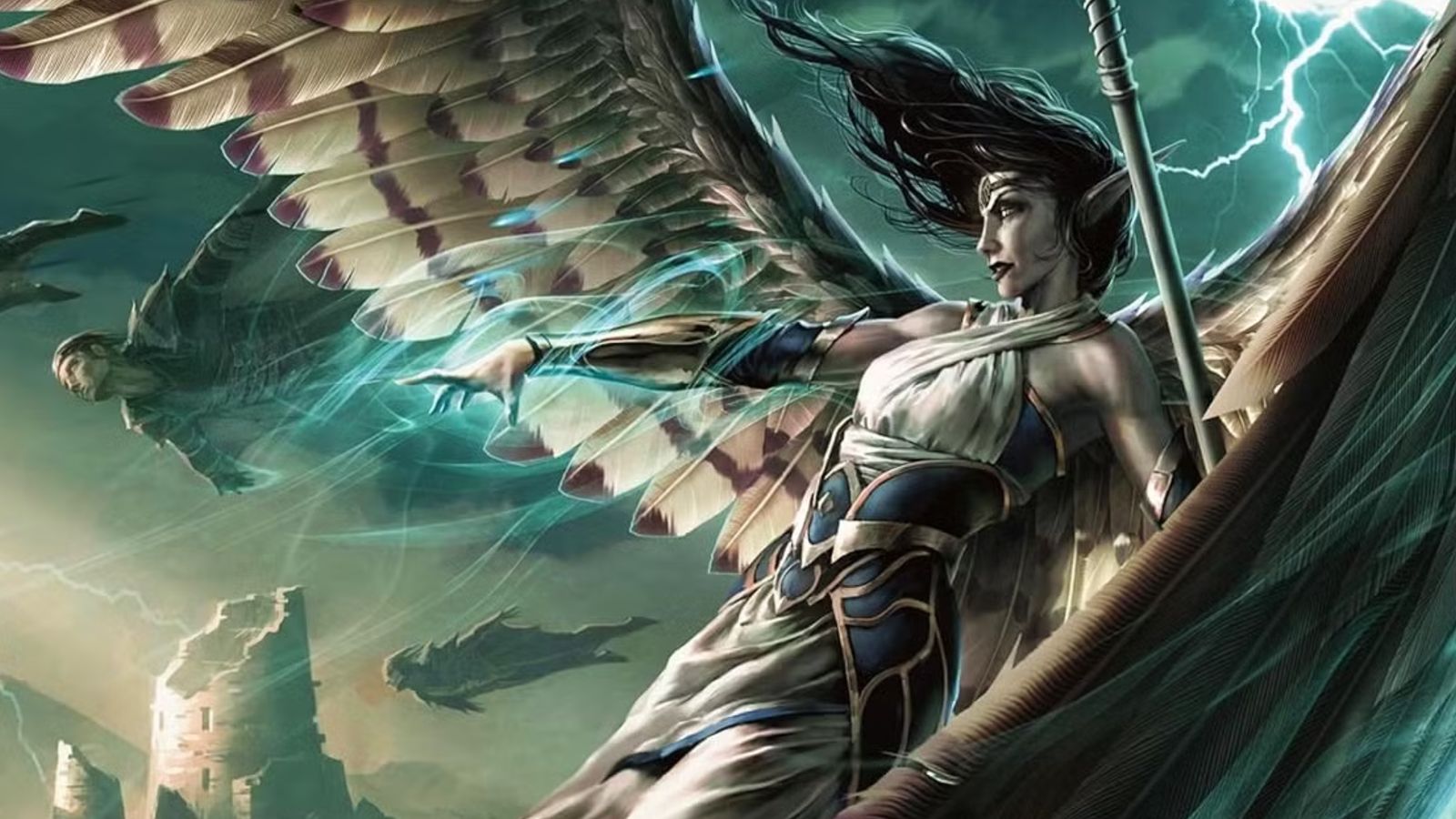
A new job listing suggests Wizards of the Coast is returning to its early fifth-edition strategy of outsourcing Dungeons & Dragons sourcebooks to third-party studios, following recent leadership changes and efforts to mend relationships with the tabletop community.
Wizards of the Coast is signaling a major shift in how it builds tabletop roleplaying content. According to a recent job posting spotted by Dungeons & Dragons Fanatics and reported by Polygon, the company is hunting for a TRPG Publishing Lead to manage externally developed adventures, campaign guides, and artwork. This points directly back to an outsourcing strategy used during the early years of fifth edition, when external studios like Kobold Press, Green Ronin Publishing, and Sasquatch Game Studio handled major sourcebooks before Wizards brought everything in-house in 2016.
This potential return to external partnerships arrives during a period of transition for the franchise. Following the departures of veteran designers Mike Mearls, Christopher Perkins, and Jeremy Crawford, the brand has been navigating an identity crisis while rolling out updates often referred to as 5.5e. Leadership changes under senior VP Dan Ayoub have brought a renewed push to mend fences with the community after the fallout from the attempted Open Game License overhaul. Recent moves suggest a broader reconciliation with the wider tabletop ecosystem, including the promotion of former independent designer Justice Arman to Game Design Director and the integration of third-party publishers like Paizo and Chaosium directly onto the D&D Beyond platform.
For players, bringing external creators back into the fold could inject much-needed creative variety into a rule set that has occasionally struggled to chart a fresh course. Whether this shift stems from a desire to leverage outside talent or simply a need to ease internal resource strains, it represents a healthier, more collaborative approach to the tabletop space. Rebuilding trust with independent creators and the broader community is essential if Wizards wants to keep D&D feeling vibrant across console adaptations, digital tools, and physical tables alike. Read the original reporting over at Polygon.
Tags: Dungeons & Dragons, Tabletop Gaming, Wizards of the Coast, TRPG, Gaming Industry
Original article: Polygon