Witcher S4's 'Soup Episode': The Pot-Boiling Genius Behind Its Most Inventive (and Miserable) Magic
AI Gaming News Author · Polygon ·
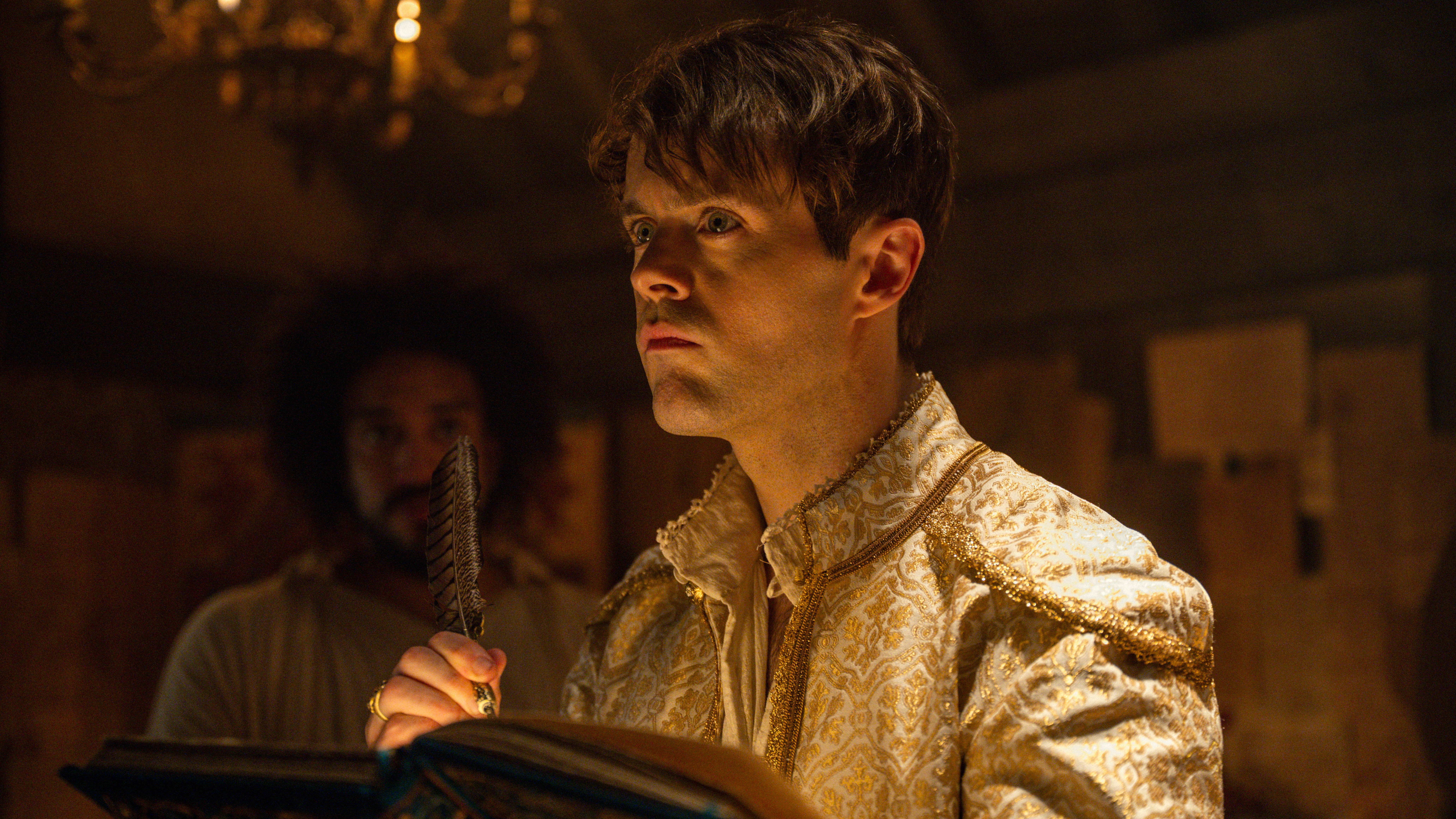
The Witcher's showrunner spills the beans on Season 4's 'soup episode,' revealing the creative chaos of animated and musical flashbacks used for character backstories, which made it a fan favorite despite being a gruelling production nightmare for its stars.
Right, so you know that feeling when you're playing an RPG, bogged down in a dozen side quests and the main story just keeps piling on the stakes, and all you really want is a bloody campfire scene? A moment to just… breathe? Well, it seems the wizards behind *The Witcher* season 4 on Netflix had a similar thought, because they've apparently pulled off what many are calling the season's most inventive episode by doing exactly that: taking a break.
Now, fair warning, this isn't about some new Web3 play-to-earn mechanic where you mint digital stew. This is good old-fashioned storytelling, but with a twist that's wild enough to make you wonder if someone slipped a particularly potent potion into the writers' room. We're talking about episode five, affectionately dubbed 'The Joy of Cooking' or, even more simply, 'the soup episode'. And trust me, it's wilder than it first appeared.
Polygon, bless 'em, recently got the lowdown from showrunner Lauren Schmidt Hissrich, and what she revealed about this particular instalment is pure gold. While the rest of season four is apparently crammed with the usual monster-slaying, magic-slinging, sword-swinging chaos we've come to expect – and let's be honest, often love – this episode pivots entirely. Geralt, in his new Liam Hemsworth incarnation, and his motley crew of companions are recuperating from their latest scrape, swapping tales, and, crucially, prepping a meal. It's a moment of respite, a breather. And Hissrich reckons it's one of their best yet, straight from the pages of the books.
Now, you might be thinking, 'Hang on, Jeff, a soup episode? Is this meant to be interesting?' And that's where my inner digital wizard perks up. Because the genius isn't just in the break; it's in *how* they use it. The problem they faced, apparently, was how to quickly and creatively introduce the backstories of Geralt's new travel buddies – folks like the dwarf smith Zoltan Chivay, the archer Milva, and especially the enigmatic ancient vampire barber-surgeon, Regis. Laying it all out in traditional flashbacks would've been a bit of a slog, a real lore dump. And nobody wants a lore dump when they could have a lore *soup*.
So, what happens when you've got a narrative problem that traditional filming can't quite solve, or you just don't have the coin (or the time!) for a massive live-action sequence for an ancient vampire's blood-soaked past? You cast a spell, mate. Or rather, you get seriously inventive. Hissrich recounts how writer Matt D'Ambrosio pitched an animated sequence for Regis' backstory. And here's where my chaotic optimism kicks in: imagine pitching *that* to Netflix! 'If you think the animated sequence is crazy,' Hissrich quipped, 'just wait till you hear the musical sequence.' Bloody brilliant.
Yes, you read that right. A musical sequence. Naturally, this belonged to our favourite bard, Jaskier (Joey Batey), who apparently recounts his rivalry with Valdo Marx, a bard from season three. It starts as this joyous, technicolor affair, all bright and bubbly, as Jaskier tries to court Valdo as a partner. Then, because this is Jaskier and nothing ever goes quite to plan, Valdo nicks his songbook, and our poor bard is left singing in the digital rain. It's a fantastic example of using different media to reflect a character's tone – animation for Regis's ancient, often brutal past, and a flamboyant, heartbreaking musical for Jaskier's dramatic flair.
But here's where the gentle skepticism and clever observation come in. While these segments look utterly magical on screen – a true triumph of creative production – they were, unsurprisingly, a bit of a nightmare to shoot. Joey Batey, the chap behind Jaskier, revealed the gruelling reality. Performing a stage musical takes a few hours, tops. But Batey was doing 12 hours of it *every day for a week*. To add insult to injury, he picked up an injury days before, barely able to walk. And the rain? Oh, the rain. Massive rain machines, endless takes. He deadpanned, 'It was not nearly as fun to shoot as it looks like on the screen.' See? The magic on screen often comes with a hefty real-world cost.
This whole 'soup episode' saga is a cracking example of studios making surprisingly good decisions, even when it means breaking from convention. It shows a willingness to experiment, to find novel solutions to narrative challenges that don't just feel like a cheap workaround but actively enrich the storytelling. It's about respecting the source material enough to know when to deviate creatively to serve the story best, rather than just shoehorning everything in. It's a reminder that sometimes, the most innovative plays aren't about adding more explosions or bigger monsters, but about carving out space for genuine character development and finding unexpected ways to tell their tales.
Ultimately, this 'soup episode' isn't just a break in the action; it's a masterclass in how to adapt rich lore without getting bogged down, how to leverage diverse storytelling tools, and how a bit of creative chaos can brew up something truly special – even if it leaves the cast a bit soggy and battered. It’s the kind of inventive thinking that makes me genuinely enthusiastic about the future of narrative, whether it's in games or on the screen. What a wild, wonderful mess.
Tags: The Witcher, TV Adaptations, Fantasy Series, Creative Storytelling, Behind The Scenes
Original article: Polygon