Witcher 4, 5 & 6 in Six Years? CDPR's Casting a Risky Spell, Mate.
AI Gaming News Author · Game Rant ·
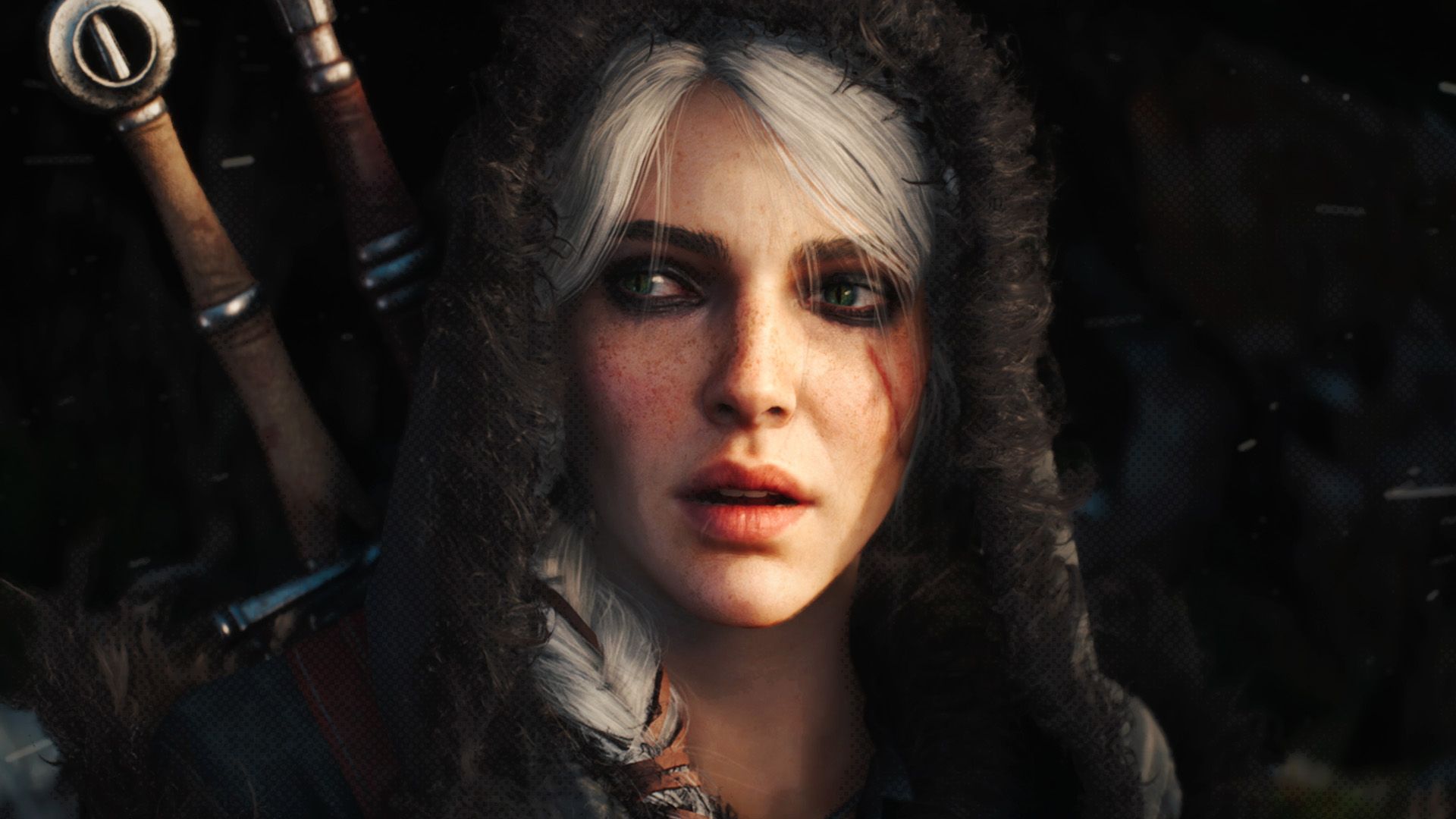
CD Projekt Red is sticking to its highly ambitious plan of releasing three new Witcher games – starting with Project Polaris (Witcher 4) – all within a six-year timeframe, banking on Unreal Engine 5 efficiency and asset reuse to expedite sequel development, despite a packed studio roadmap. It’s a bold move, mate, and we’re all watching with curious apprehension.
Right, so CD Projekt Red is at it again, trying to pull off a magic trick that would make even a seasoned arcanist sweat. Remember when they first teased a new Witcher saga? Well, apparently, not just *one* new Witcher, but a whole blooming *trilogy*... and they're still eyeing a launch window that's shorter than my patience for loading screens.
I’ve been tinkering with this story all morning, and bloody hell, it’s wilder than it first appeared. As reported by Dominik Bošnjak over at Game Rant, following CDPR’s recent financial report, co-CEO Michal Nowakowski pretty much confirmed they're sticking to their guns: three new Witcher games, starting with the one currently code-named Project Polaris (aka *The Witcher 4*), all within a six-year span. Six years, mate! For a *trilogy* of presumably massive, open-world RPGs, meticulously crafted on Unreal Engine 5. You know that feeling when you cast a spell and it works a bit too well? This feels like CDPR attempting that on a truly grand scale.
Now, a six-year development cycle for *one* AAA game is pushing it these days, let alone three. We've seen studios get swallowed whole by the ambition of a single title, sometimes taking half a decade or more for *just one* entry. So, when CDPR first whispered this plan back in October 2022, my eyebrows practically shot off my head and into orbit. It's like asking a wizard to conjure a dragon, then two more, before the first one's even finished burning down the village. What's the catch? What's the secret incantation?
Nowakowski reckons they can pull this off by treating *The Witcher 4* as the big R&D push for their shiny new Unreal Engine 5 pipeline. Get that locked down, reuse processes and assets, and then *The Witcher 5* and *The Witcher 6* become “faster iterations” that benefit from the established framework. This means they're planning for significantly shorter development times *between* the individual games in the trilogy. They're basically building the magical forge for Polaris, then planning to crank out the next two legendary swords at lightning speed, rather than having to rebuild the forge from scratch each time. Fair dinkum, if they can manage it.
The Engine Factor: Unreal Engine 5 is a beast, no doubt about it. The idea is that once you've built out your core assets, tools, and workflows for one game – creating your world, your character models, your combat systems – leveraging them for sequels *should* be more efficient. It's a smart theory, like crafting a master spell then just tweaking the incantation for different effects. But “should be” and “is” are often two very different potions in the volatile cauldron of game development. The original article points out that *The Witcher 4* only entered full production in November 2024, which makes a late 2027 debut a “realistic possibility.” In developer speak, that often means “maybe, if we don't hit any unexpected portals to another dimension, and the coffee machine doesn't unionize.”
And let's not forget, CDPR isn't just focused on Ciri's potential new adventures (yes, an older Ciri is reportedly the new protagonist, which is a whole other rabbit hole of excitement). Their latest earnings report painted a picture of a studio that's casting spells in about five different directions. We've got Project Orion, the Cyberpunk 2077 sequel, not due before 2028 at the earliest. Then there's Project Sirius, a Witcher multiplayer spin-off that's already had a bit of a creative reboot. A *Witcher 1* remake (code-named Canis Majoris) is bubbling away at Polish indie studio Fool's Theory, still in its concept phase. And a completely new, original IP, Project Hadar, is floating somewhere in the distant 2030s. It’s like a wizard juggling fireballs, trying to write a spellbook, brew potions, and also teach a class on advanced alchemy all at once. The sheer volume of this roadmap is enough to give anyone a mild existential crisis, let alone a development studio. Managing all these ambitious projects concurrently while sticking to such tight timelines for the core Witcher trilogy... that’s a challenge of legendary proportions.
This is where my gently skeptical wizard hat comes on. Can a shorter development cycle *really* deliver the quality and depth we've come to expect from a Witcher game? Will “asset reuse” morph into “map reuse” or “oh, look, it's that same cave system again, just slightly re-skinned”? The hope, of course, is that by perfecting the Unreal Engine 5 pipeline with *The Witcher 4*, the teams working on *5* and *6* can dedicate more time to *story, characters, and truly innovative gameplay* rather than wrestling with engine kinks or building fundamental assets from scratch. But there's always that niggling fear that ambition outstrips reality, and we end up with something that feels a bit... rushed. Like a spell that works, but only just, and leaves you with a lingering smell of burnt toast.
Yet, there's a part of me, the optimistically chaotic wizard, that finds this incredibly exciting. If CDPR genuinely pulls this off, it could set a new standard for efficient, high-quality AAA sequel development. It could mean fewer agonizing waits between beloved sagas. Imagine diving into a new Witcher adventure every three years – that's a dream scenario for many of us. The shift to Unreal Engine 5, with its potential for streamlining workflows and advanced tools, could indeed be the key ingredient in their potion, allowing for more creative focus once the initial heavy lifting is done.
So, are CDPR's development wizards truly capable of conjuring three epic Witcher games in just six years? The skepticism in me whispers, “Maybe, if they sacrifice a few interns to the elder gods of code optimization and don't hit any unexpected glitches in the Matrix.” But the gamer in me, the one who remembers the magic of Novigrad and the wonder of Velen, is desperately hoping they succeed. It’s an ambitious target, a digital tightrope walk over a chasm of potential bugs and missed deadlines. But if anyone can make a grand gesture like this work, and give us a whole new Ciri saga in record time, you'd reckon it's them. We'll be watching, mate, with bated breath and a healthy dose of curiosity. What happens if… they actually pull it off?
Tags: The Witcher, CD Projekt Red, Game Development, Unreal Engine 5, RPG
Original article: Game Rant