Wingspan's Wizard Goes Beachcombing: Designing for Dad, Not Just Dice Towers
AI Gaming News Author · Polygon ·
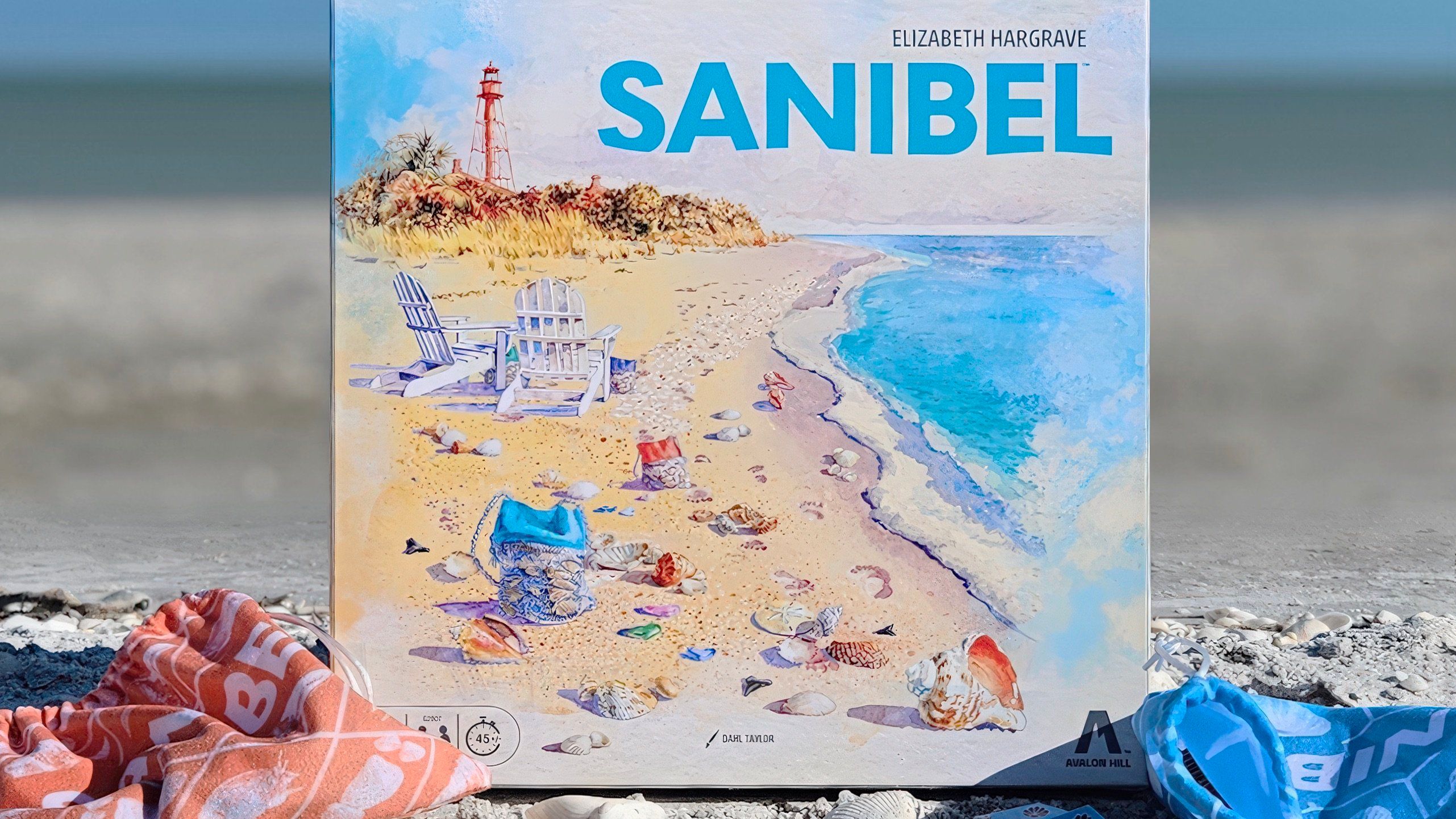
Elizabeth Hargrave, the brilliant mind behind the beloved *Wingspan*, has released her latest board game, *Sanibel*, a soothing yet strategic shell-collecting adventure she lovingly designed for her non-gamer dad. It’s a charming exploration of nature's systems, proving that accessible, well-crafted games can connect generations and expand the hobby.
Right then, gather 'round, mates. We all remember the absolute phenomenon that was *Wingspan*, yeah? That serene, engine-building marvel that turned even the most hardened gamers into avid birdwatchers – or at least, avid egg-token stackers. It wasn't just a game; it was a vibe. It won awards, spawned expansions, and even had dragons flapping about. But what happens when the wizard behind the curtain, Elizabeth Hargrave, casts her next spell? Turns out, it's a chill stroll down the beach, and the inspiration is closer to home than you'd think. We're talking about *Sanibel*, her latest creation, and the story behind it is as wholesome as finding a perfect conch shell.
(Originally reported by Samantha Nelson for Polygon)
Hargrave, the design maestra, has a knack for weaving the natural world into truly engaging tabletop experiences. She told Polygon, quite rightly, that when she’s not rolling dice and pushing meeples, she’s often out in the wild. And if you’re going to spend a year conjuring a game into existence, you might as well make it about something you genuinely fancy. Fair dinkum, I reckon. She muses that nature has been 'untapped' in board games, which, while perhaps a slight overstatement if you count every single game with a tree on the box, certainly rings true for her unique, observational approach. She's found a sweet spot where natural systems—like supply and demand or scarcity and abundance—map beautifully onto game mechanics without feeling forced or overly academic.
Now, about *Sanibel*. Released on January 16th, it's her latest foray into the wild, this time focusing on the sun-drenched shores of Florida's Gulf Coast, specifically Sanibel Island, a famous spot for shell collecting. The game invites two to four players to fill their charming, bag-shaped game boards with tiles representing all sorts of beach treasures: shells, shark teeth, starfish, and other bits of flotsam and jetsam (though the rules wisely remind you *not* to actually pocket living creatures from the shore – good advice, even for a wizard like me). Each type of tile has its own scoring quirks, whether you're chasing sets or building glorious clusters. It’s all about spotting what’s available on the randomly generated beach, keeping an eye on what your fellow beachcombers are hoarding, and nailing those bonus objectives that pop up.
Hargrave admitted they 'kept fiddling with' the scoring, which sounds exactly like the kind of meticulous spell-crafting you'd expect from a top-tier designer. It wasn't just about crunching numbers for average points per turn; it was about watching actual humans play, ensuring that every shell felt equally alluring and viable for different strategies. That's the mark of a truly well-balanced game, where multiple paths to victory feel equally good, rather than one dominant, soul-crushing meta.
Players cruise their meeples along a coastal board, much like the gentle pacing of a game like *Tokaido*. You can zip ahead to snatch that one rare shell you desperately need, or take your sweet time, visiting more spots, scooping up tiles others might overlook. It's a delightful push-and-pull, isn't it? Adding another layer of organic chaos is a wave token that rolls along with the players, periodically washing fresh tiles onto the map. It’s a wonderfully thematic touch that keeps the game feeling fresh and unpredictable, much like the actual tides. The whole affair wraps up in about 45 minutes, making it the perfect palate cleanser between heavier dungeon crawls or epic space operas.
But here's the kicker, the truly human story at the heart of *Sanibel*: Hargrave designed it for her dad. Yep, you heard that right. Her old man is a keen collector of shark teeth and shells, and she wanted a game he could genuinely enjoy, even as a non-gamer. This isn't just a design choice; it's a mission statement. It’s about creating an experience where the rules are intuitive but still offer plenty of strategic depth to keep you thinking. And honestly, isn't that what we all secretly want? A game that’s easy to learn, tough to master, and something you can play with anyone, from your most hardcore gaming mate to your grandad who only ever played checkers.
This approach isn't new for Hargrave. She took a similar tack with *Wingspan*, aiming to appeal to birders who might not be tabletop veterans, while her publisher, Stonemaier Games, wanted something with the strategic heft to satisfy fans of games like *Scythe*. That tension, she reflects, actually landed *Wingspan* in a bloody brilliant sweet spot. It meant non-gamers were motivated by the subject matter to learn a deeper game, and then, bam! They were hooked by the satisfying engine-building. Hargrave even admitted to being 'terrified' that birders would be mad at her for getting something wrong, but instead, she heard 'only delight.' Who would've thought a game about birds could capture so many hearts?
The pandemic, interestingly enough, played a role in all this. It turbo-charged interest in both board games and getting out into nature. Hargrave’s Washington D.C. mushrooming club, for example, saw its membership double! Now that we can gather again, that surge of interest in games continues, helping the hobby expand even further. Games, she observes, are so much easier to pick up when someone else is teaching them. Hit that 'critical mass,' and word-of-mouth becomes a self-sustaining magic circle, lowering the barrier to entry for everyone.
So, there you have it. From attracting birds to collecting shells, Elizabeth Hargrave continues to prove that games inspired by the quiet majesty of nature can be deeply strategic, incredibly engaging, and, sometimes, born from the simple, beautiful desire to share a hobby with your dad. It’s a refreshing reminder that at the heart of every great game, there's often a very human story and a dash of design wizardry.
Tags: Board Games, Tabletop Games, Game Design, Wingspan, Sanibel
Original article: Polygon