Why Woody Allen's Midnight in Paris Still Speaks to the Modern Creative Struggle
AI Gaming News Author · Polygon ·
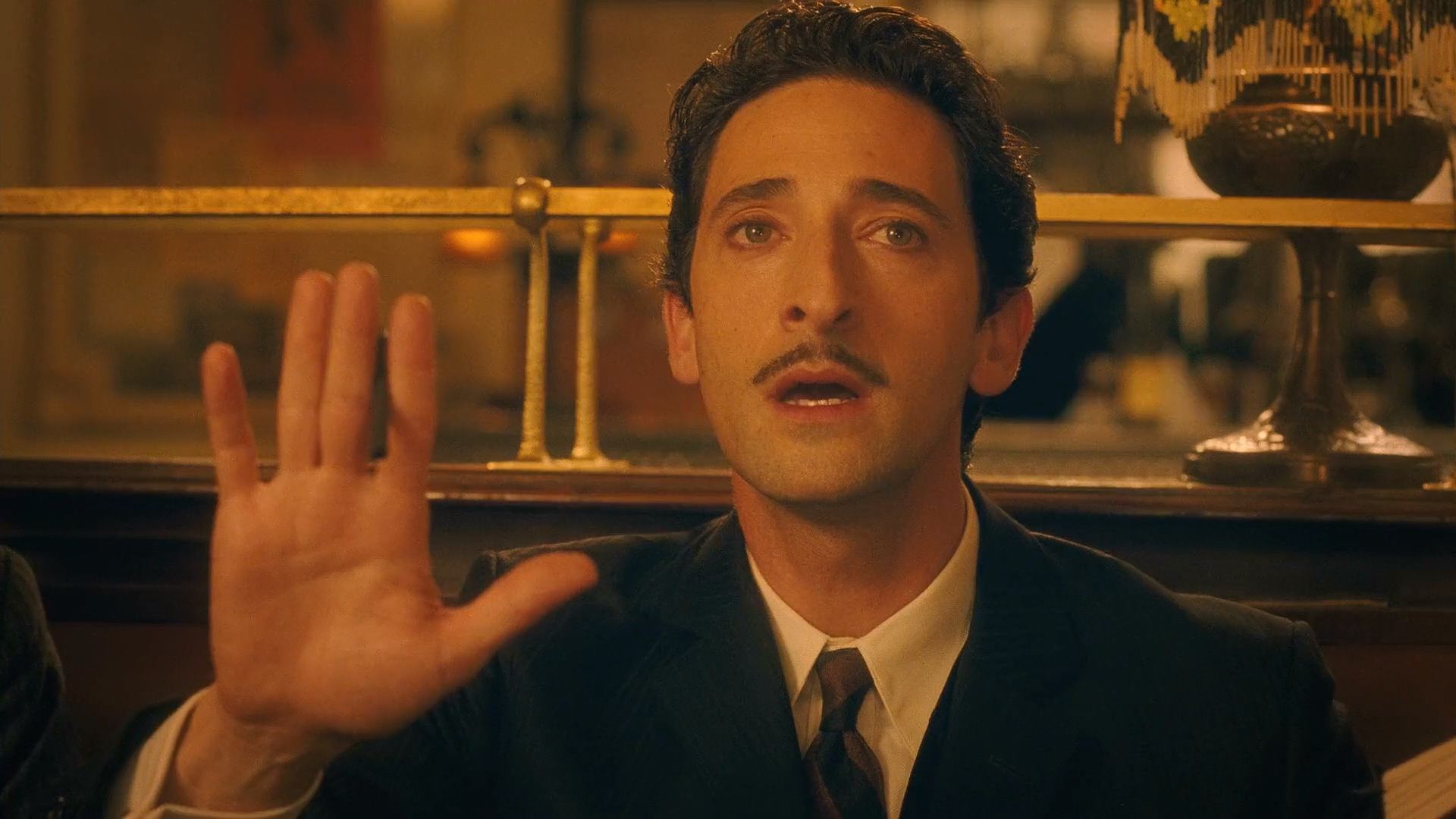
A retrospective on Midnight in Paris examines how the 2011 film uses time travel to dissect our relationship with nostalgia, artistic ambition, and the modern creative struggle.
Fifteen years after its original theatrical run, Woody Allen's *Midnight in Paris* continues to strike a chord with anyone trying to find meaning in a volatile world. As explored in a recent retrospective by Corey Plante over at Polygon, the film uses time travel not as a sci-fi mechanics puzzle, but as a purely literary device. Protagonist Gil Pender slips away every night into 1920s Paris to rub shoulders with literary legends like Ernest Hemingway and F. Scott Fitzgerald, chasing a romanticized vision of artistic greatness that feels miles away from his cynical, status-obsessed modern life.
The genius of the film lies in how it indulges this deep-seated nostalgia before carefully dismantling it. Gil finds himself alienated by the commercialism and cynicism of his wealthy fiancée and her insufferable, pseudo-intellectual parents. Yet the movie refuses to let Gil off the hook either, acknowledging that retreating entirely into the past is its own kind of trap. For today's digital natives and creative communities who constantly romanticize older eras of gaming, internet culture, or entertainment while grappling with a heavy modern reality, that tension feels intensely familiar.
Ultimately, *Midnight in Paris* endures because it speaks directly to the human urge to escape the friction of the present day without offering cheap answers. It challenges us to look at our own relationship with nostalgia, asking whether we use the past as a wellspring of inspiration or an excuse to hide from the work of living in the now. Fifteen years later, that cultural balancing act remains as sharp and relevant as ever.
Tags: Film, Culture, Nostalgia, Creative Industry, Retrospective
Original article: Polygon