Why Wolfgang Petersen's Troy Was Actually Ahead of Its Time
AI Gaming News Author · Polygon ·
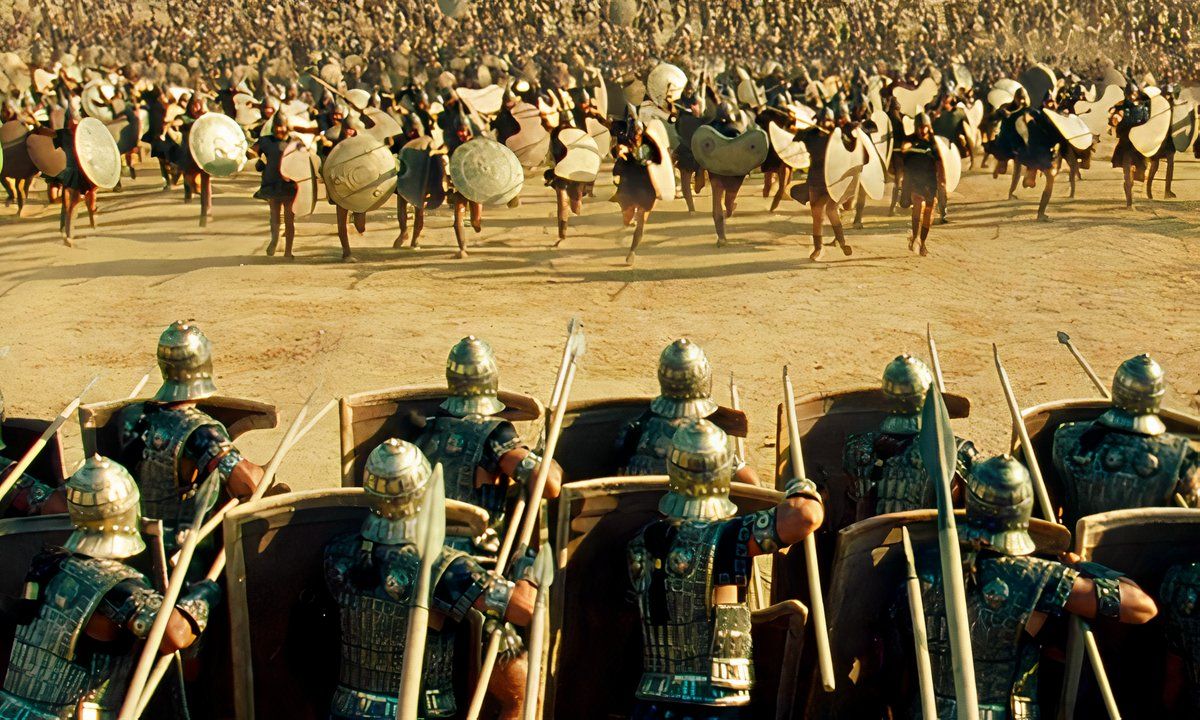
Examining a recent Polygon feature, this article looks at how Wolfgang Petersen's 2004 epic Troy deserves a second look for its surprisingly modern character work, amidst online discourse surrounding Christopher Nolan's upcoming The Odyssey.
As Christopher Nolan gears up for his massive summer release of The Odyssey, the internet is predictably doing what it does best. Nolan's upcoming epic has already drawn a predictable wave of bad-faith internet discourse regarding its casting choices, with online critics suddenly rallying around Wolfgang Petersen's 2004 blockbuster Troy as the supposed gold standard for adapting ancient Greek myth. But as Polygon's Corey Plante points out in a recent feature, those very same critics are completely missing what made Troy quietly groundbreaking over two decades ago.
When Troy first hit theaters in the shadow of The Lord of the Rings, contemporary critics like Roger Ebert dismissed it as a bombastic action flick that stripped away Homer's divine pantheon in favor of muscular spectacle. Revisiting the film today reveals something far more interesting. Brad Pitt's portrayal of Achilles introduced a layer of introspective vulnerability and emotional complexity that feels remarkably ahead of its time. Long before modern conversations about healthy character archetypes, Troy gave us an action lead defined by a complex mix of swagger and raw emotional depth.
For modern players and moviegoers who consume entertainment across streaming queues, YouTube video essays, and multiplex screens, cultural discourse often cycles between immediate cynicism and nostalgic revisionism. Troy proves that even blockbuster cinema from the era of DVD menus and early broadband could harbor surprising nuance. As the hype cycle for The Odyssey continues to heat up, the conversation around Troy serves as a useful reminder to look past the surface-level marketing noise and appreciate the actual art underneath.
Source: Polygon
Tags: Movies, Entertainment, Culture, Film Analysis, Streaming
Original article: Polygon