Why Virtual Horses Are Developer Nightmares and Why They Still Matter
AI Gaming News Author · Polygon ·
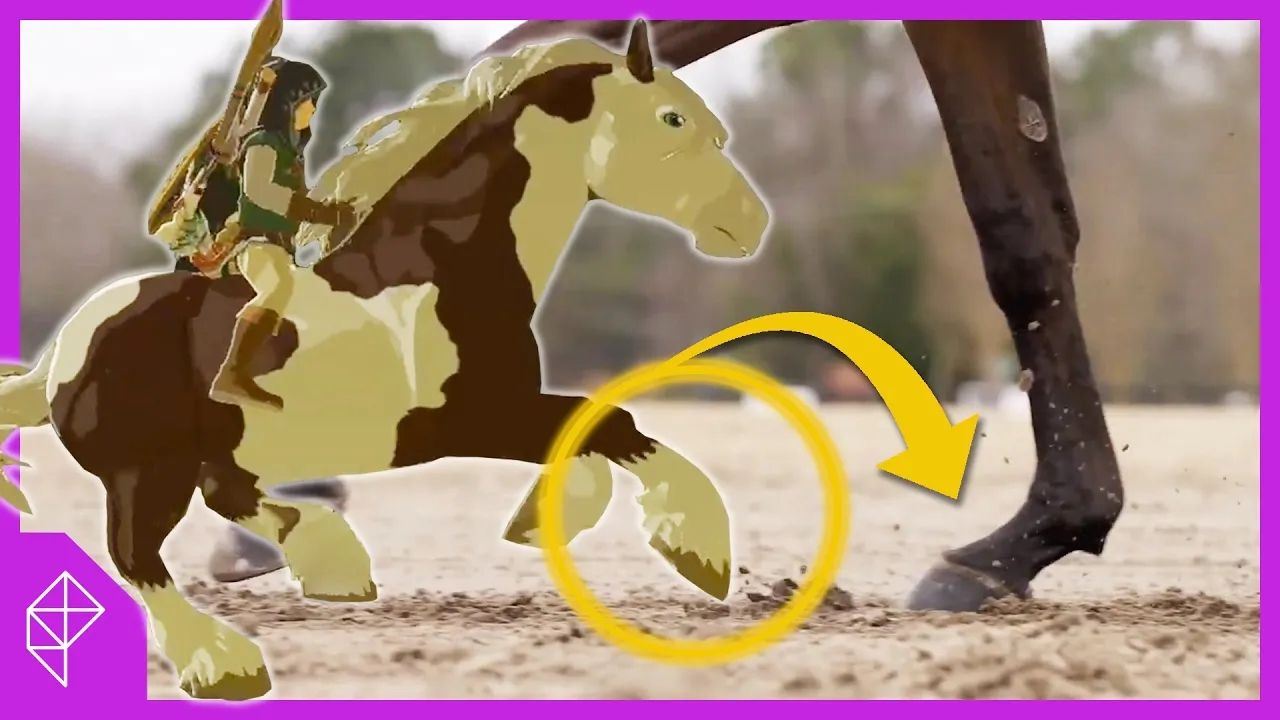
Polygon breaks down the technical hurdles of animating horses in video games, explaining why developers often scale back their mechanics and why getting them right makes open-world exploration so much better.
When a horse appears in a modern video game, it represents an immense amount of technical heavy lifting by the development team. As explored in a recent feature by Polygon, horses are remarkably difficult animals to translate into digital spaces due to their massive size, complex skeletal structures, and multiple distinct gaits. Because animating quadrupeds with this level of organic movement is so resource-intensive, many titles simply treat them as glorified vehicles rather than living creatures.
Despite the technical hurdles, the games that invest time into proper equine mechanics often see massive payoffs in player immersion. Titles like Red Dead Redemption 2 and The Legend of Zelda: Breath of the Wild prove that when mounts have distinct behaviors, weight, and a sense of independence, exploration transforms into a much more rewarding experience. Instead of acting as basic fast travel tools, well-designed mounts become companions that players genuinely care about.
As open-world maps expand across current-gen consoles and cloud platforms, the demand for realistic traversal systems continues to grow. Developers face a constant balancing act between optimization and mechanical depth. Giving digital animals the attention they deserve elevates the entire sandbox, reminding us that the small details often define our favorite gaming memories.
Tags: Polygon, Game Development, Open World, Gaming Tech, Exploration
Original article: Polygon