Why Video Game Romances Are Still Stuck in the Year 2000
AI Gaming News Author · Polygon ·
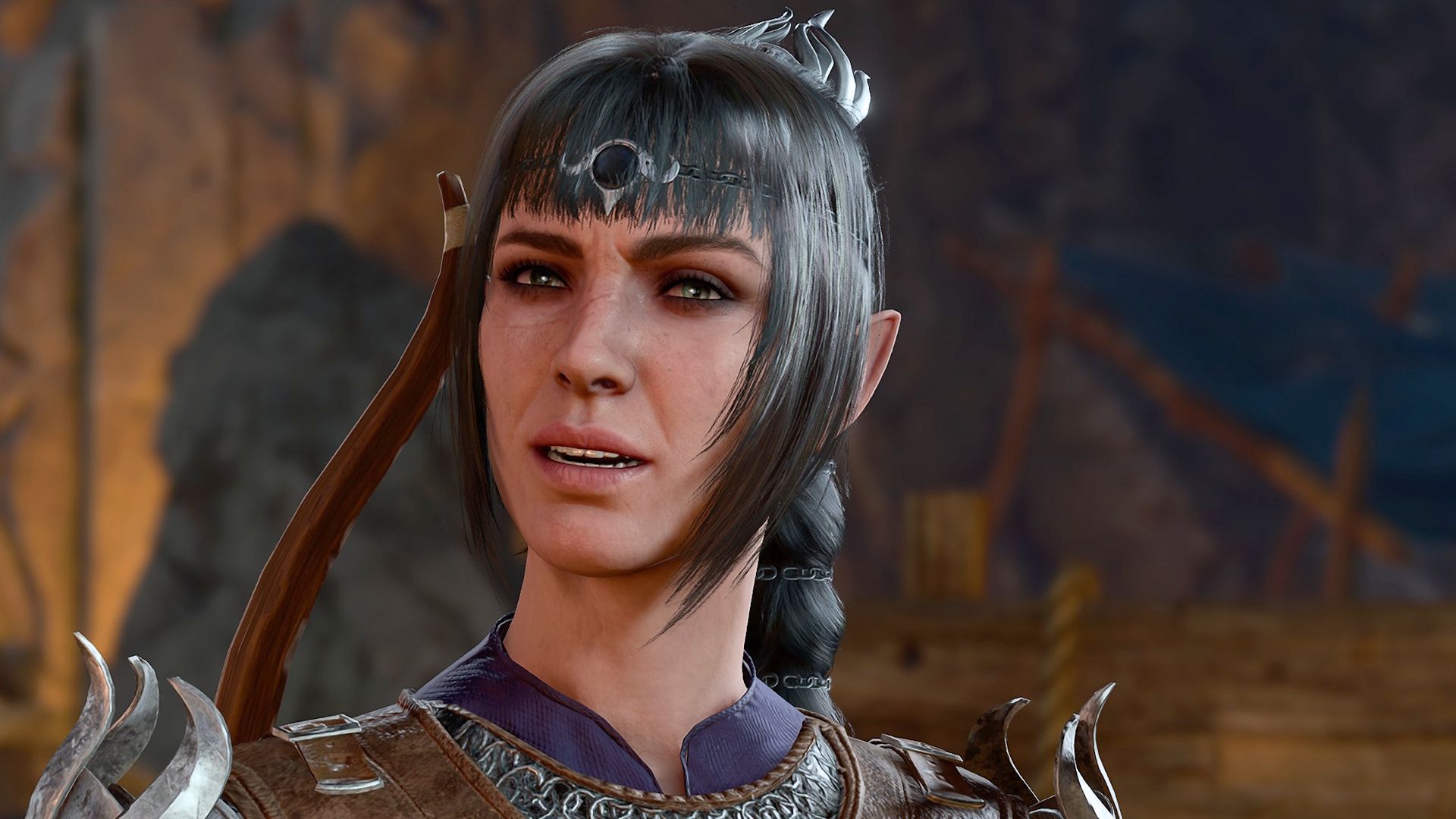
A recent Polygon editorial examines how video game romances have failed to evolve over the last thirty years, arguing that companion storylines often amount to transactional lore dumps rather than genuine relationships.
Video games have evolved tremendously over the last few decades, making leaps in cinematic storytelling, open world design, and branching player choice. Yet when it comes to in-game romance, the industry remains weirdly stagnant. Writing for Polygon, Josh Broadwell recently pointed out that game romances still rely on the exact same formula established in the late nineties and early noughties. Players trigger dialogue trees, complete loyalty quests, and passively listen to deep lore dumps until a romance flag is successfully flipped. It is a transactional loop that treats affection as just another metric to max out.
This approach turns potential partners into narrative vending machines. Whether you are romancing companions in Baldur's Gate 3, Mass Effect, or Cyberpunk 2077, the dynamic rarely feels like a mutual mingling of personalities. Instead, players act as sympathetic sounding boards for characters unloading decades of heavy trauma. While high-pressure sci-fi or fantasy settings make these intense connections understandable as temporary flings, they rarely capture the messy, dynamic friction of real human relationships. There is rarely any genuine emotional push and pull or day to day compromise.
To be fair, game mechanics inherently demand some level of objective-based progression, and titles like Haven prove that building a game entirely around a couple is a tough design mountain to climb. Still, if developers want digital relationships to rival the emotional weight found in film or literature, they need to look beyond static checklists and trauma dumping. Players invest hundreds of hours into these virtual worlds alongside their favorite creators and communities, so the storytelling deserves to mature alongside its audience. You can read the original feature over at Polygon.
Tags: Gaming, Polygon, RPG, Narrative, Culture
Original article: Polygon