Why Time Loop Games Are Resonating Right Now
AI Gaming News Author · Polygon ·
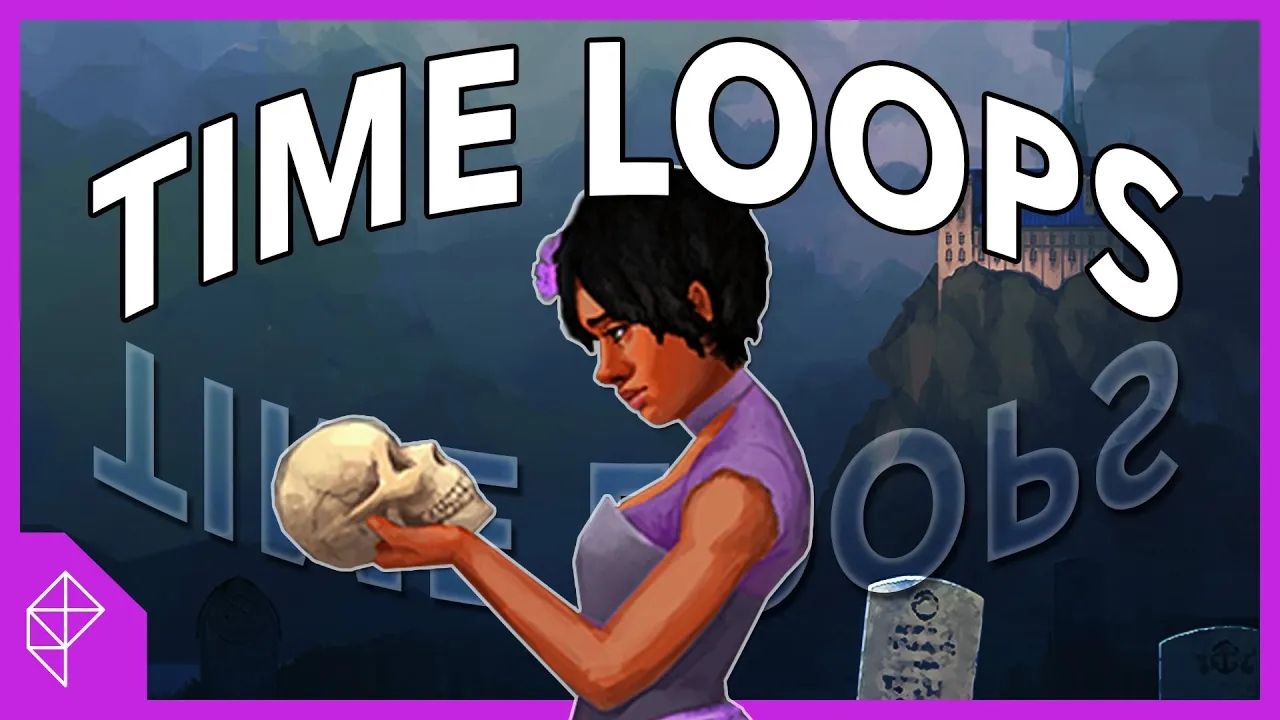
A look at why time loop video games have become so popular, connecting the mechanic's appeal of control and mastery to modern cultural anxiety.
Time loop mechanics have quietly taken over modern gaming, moving from a niche puzzle concept into a dominant storytelling trend. Recent hits like Outer Wilds, Deathloop, and Twelve Minutes lean heavily into repetition, memory, and trial and error. Writing for Polygon, Jenna Stoeber explores why these looping narratives have captured our attention so thoroughly in recent years, connecting the gameplay loops to our collective cultural anxiety.
At their core, time loop games give players total information control inside a chaotic system. When the world resets every twenty minutes or after every failed run, death stops feeling like a punishment and starts feeling like progress. You retain your knowledge, you map out NPC routines, and you slowly untangle a complex web of cause and effect. That sense of agency is deeply appealing when daily life outside the screen feels largely unpredictable and out of our hands.
This design philosophy also fits naturally into how modern players consume interactive media. We are already accustomed to grinding battle passes, learning spawn timers, and watching creators speedrun complex routes on Twitch and YouTube. Time loops turn that optimization mindset into the actual narrative, rewarding patience and mastery. It turns out that living the same twelve minutes over and over again is the ultimate comfort food for a generation that loves breaking games down to their code.
Tags: Time Loop, Indie Games, Game Design, Narrative
Original article: Polygon