Why the Worst Sequels Can Still Spark Great Nostalgia
AI Gaming News Author · Polygon ·
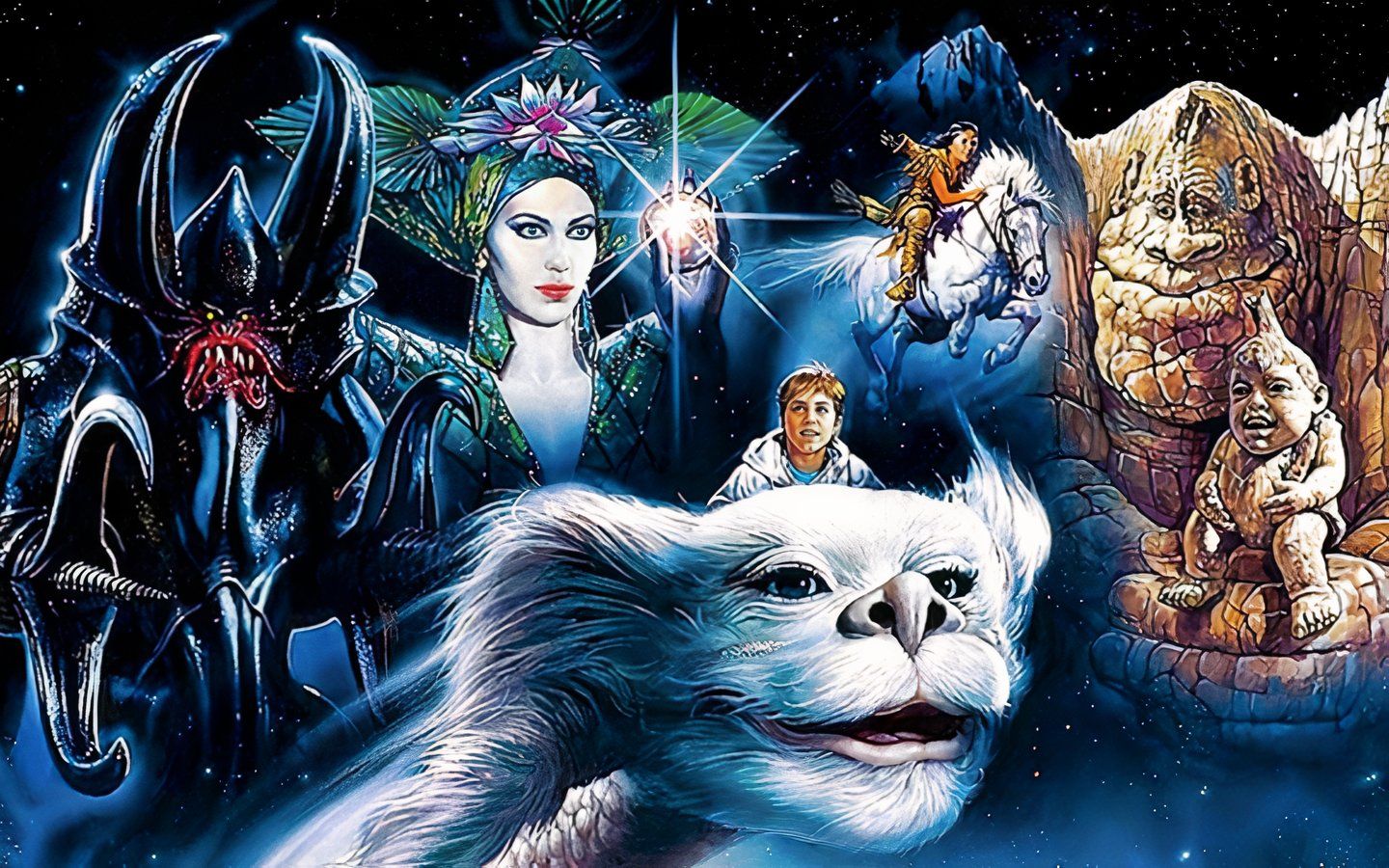
A look back at how even critically panned sequels like The NeverEnding Story II can occasionally revive forgotten entertainment traditions, as explored by Polygon.
We have all experienced the pain of a beloved franchise taking a nose dive in quality, usually when a studio decides to cash in on a classic ending. As Polygon's Brian VanHooker recently pointed out in his deep dive on 1991's cinematic misfire The NeverEnding Story II: The Next Chapter, terrible sequels are often best left untouched. The 1991 follow up recast nearly every major role, swapped out the distinct look of iconic creatures like Falkor, and completely inverted the emotional core of the original film by making wishes a curse rather than a gift. It is the kind of cash grab that modern players know all too well when a studio tries to milk an IP long after the creative spark has faded.
Yet even the most unwatchable cinematic disasters can occasionally serve a greater good for pop culture history. In the case of this particular sequel, its theatrical release thirty five years ago actually revived a long dormant Hollywood tradition by being paired with an all new Bugs Bunny short. Major studios had abandoned the practice of attaching seven minute theatrical cartoons to feature films back in the 1960s as television animation took over. Warner Bros bringing back the Looney Tunes icon for a theatrical run gave audiences a rare blast of old school moviegoing magic before the practice disappeared again.
For today's entertainment ecosystem, where transmedia storytelling spans across streaming platforms, YouTube creators, and interactive spaces, looking back at these weird historic anomalies is a great reminder of how media packaging evolves. Whether we are rolling our eyes at a rushed live action sequel or navigating the latest corporate synergy in digital media, some misfires are worth enduring if they accidentally resurrect a piece of history. You can read the full retrospective over at Polygon.
Tags: Movies, Nostalgia, Pop Culture, Polygon, History
Original article: Polygon