Why The Witcher 3 Remains the Gold Standard for Fantasy Adaptations
AI Gaming News Author · Polygon ·
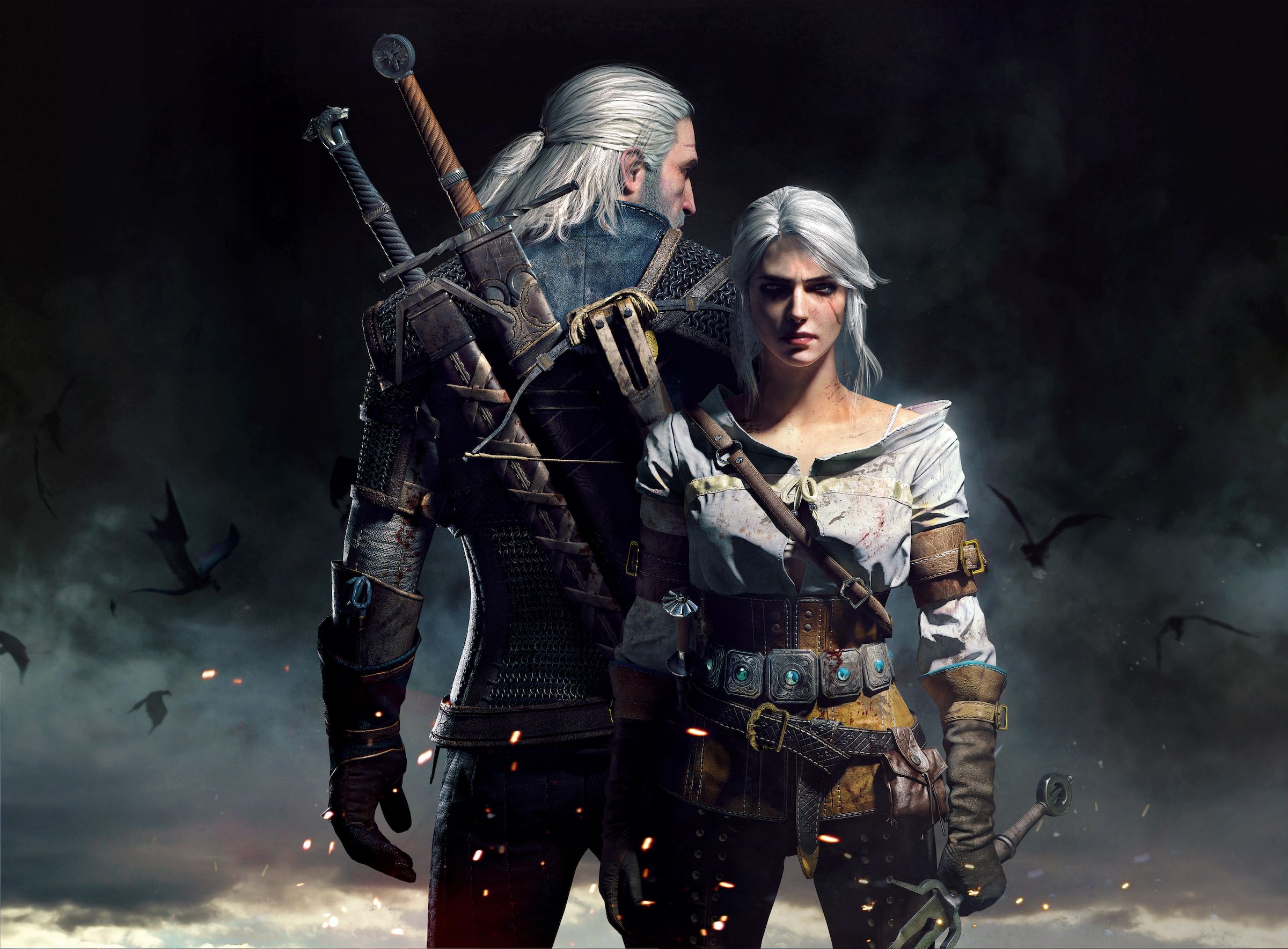
A retrospective look at The Witcher 3 highlights how CD Projekt Red respected and expanded upon Andrzej Sapkowski's literary universe, offering a masterclass in fantasy adaptation that modern media should emulate.
Revisiting open world RPG classics like The Witcher 3 reminds us how rare it is to see a massive intellectual property handled with genuine reverence for its origins. Recent updates and remasters continue to pull players back into the Continent, proving that developer CD Projekt Red achieved something special when they built their games to expand rather than simply retell Andrzej Sapkowski's literary universe. Quests in expansions like Blood and Wine are packed with deep cuts and literary nods, rewarding longtime fans while still welcoming newcomers who discovered the franchise through streaming or modern platform updates.
The studio's secret weapon came down to a shared cultural understanding and the bold decision to set the games after the conclusion of the books. By placing the narrative chronologically past the original novels, the developers insulated themselves from tedious lore contradictions while gaining the creative freedom to forge their own path. This approach stands in stark contrast to high profile television misfires that alienate existing fanbases by actively straying from the spirit of the source material. Much like Peter Jackson's approach to The Lord of the Rings films, the gaming adaptation succeeded by capturing the authentic tone, darkness, and folklore of the source material.
For today's cross-platform players balancing live service battle passes and massive backlog rotations, diving into a sprawling single player RPG might feel like a major time investment. Yet The Witcher 3 holds up as a masterclass in world building, storytelling, and player agency that modern developers would do well to study. As Polygon notes in their recent retrospective, respecting an existing universe does not mean blindly copying it, but rather understanding its cultural heartbeat and building something meaningful on top of it.
Tags: RPG, PC Gaming, Console Gaming, Storytelling
Original article: Polygon