Why the Undead Have Always Belonged to the Queer Canon
AI Gaming News Author · Polygon ·
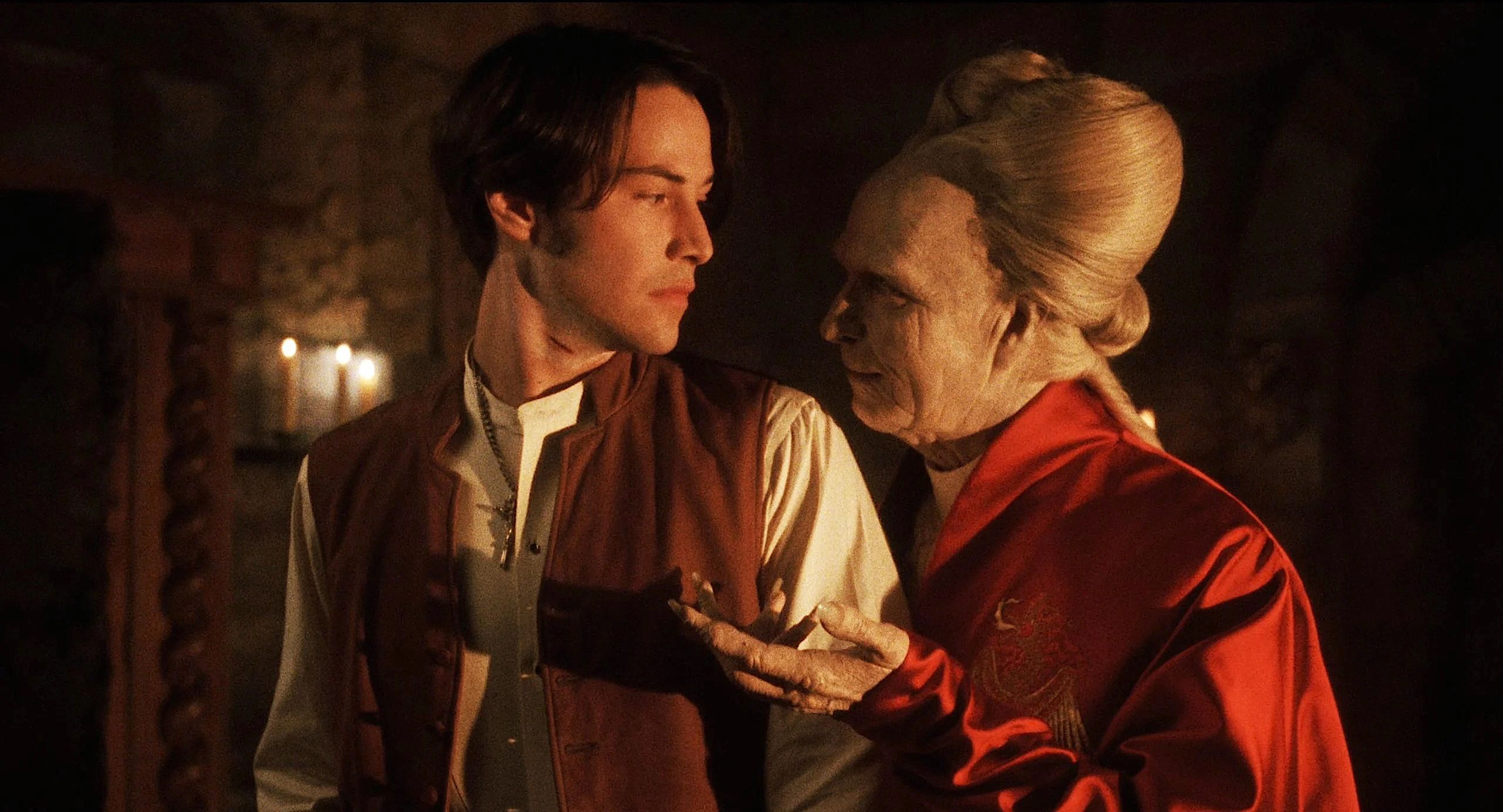
Author V.E. Schwab explains to Polygon why classic and modern vampires serve as an inherent metaphor for queerness and breaking societal norms.
Author V.E. Schwab recently sparked a broad conversation across literary and gaming circles by declaring that straight vampires are practically a contradiction in terms. Speaking with Polygon for their seasonal Fangsgiving feature, the bestselling mind behind Bury Our Bones in the Midnight Soil and Netflix's First Kill explained that vampirism has always functioned as an ultimate metaphor for breaking the rigid rules of conventional society. While classic figures like Dracula or Count Orlok might not fit modern definitions of explicit LGBTQ+ representation, their entire existence revolves around subverting heteronormative expectations and refusing to play by mortal rules.
This perspective strikes a particular chord right now, especially as contemporary games, visual novels, and streaming platforms lean heavily into supernatural drama. From critically acclaimed high-society RPGs to complex characters like Baldur's Gate 3 fan favorite Astarion, the modern gaming landscape loves a vampire who plays with boundaries. Whether exploring centuries-old trauma or just leaning into unapologetic goth camp, developers and players alike continue to treat the undead as the ultimate vessels for stories about liberation, identity, and finding community outside the mainstream.
Schwab's insights remind us why these tropes endure across platforms, whether you are reading a blockbuster fantasy epic, diving into a tabletop campaign, or binging a creator's latest playthrough on Twitch. Vampires offer a safe space to explore outsider status, making them timeless fixtures in digital entertainment. You can dive into the full discussion over at Polygon to read the complete interview and see how today's creators keep the blood flowing in fresh directions.
Tags: Gaming Culture, Vampires, Visual Novels, Streaming, LGBTQ+
Original article: Polygon