Why the New Baldur's Gate 3 Astarion Prequel Novel Was Always Fighting an Uphill Battle
AI Gaming News Author · Polygon ·
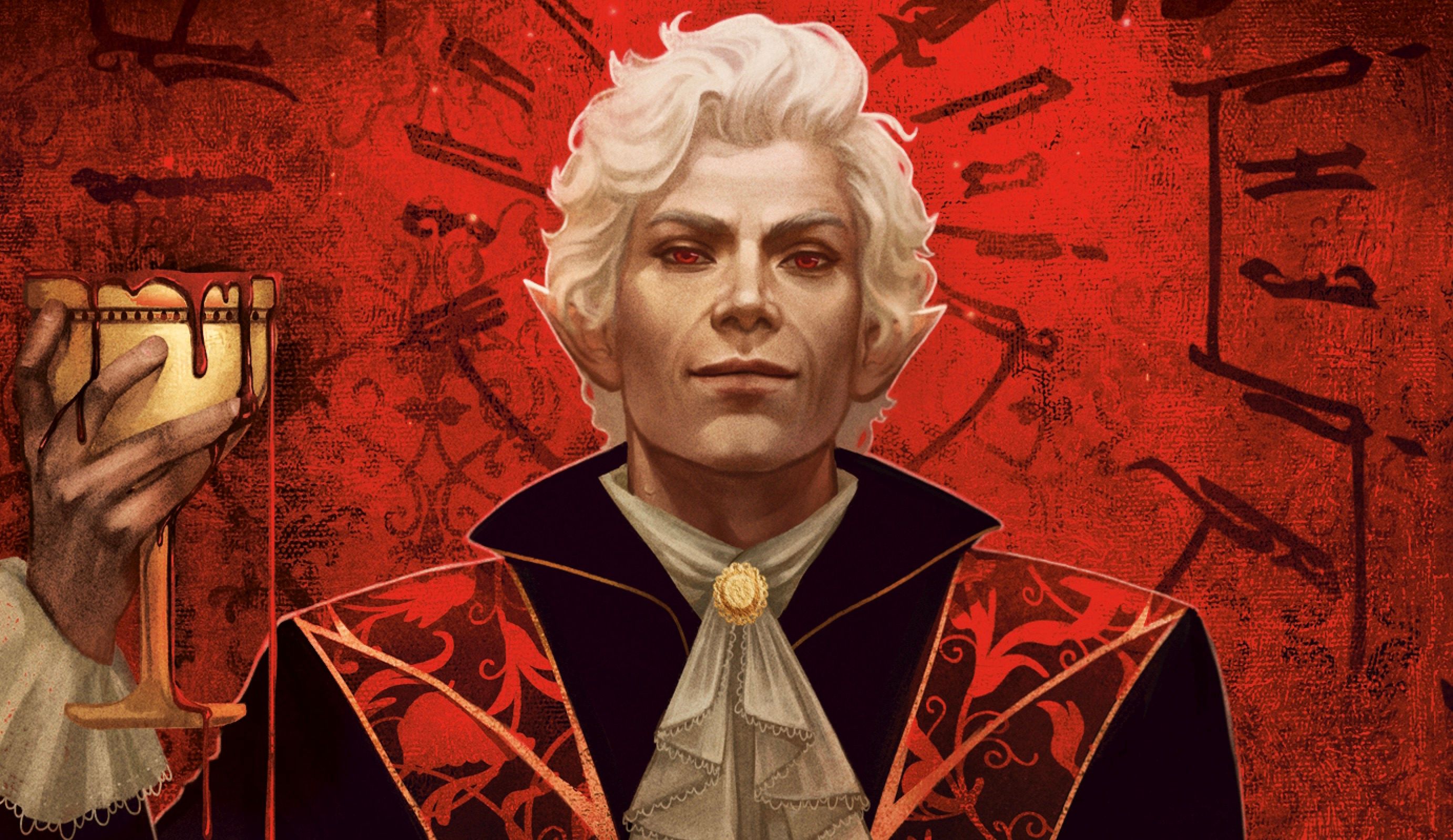
The new Baldur's Gate 3 Astarion prequel novel delivers an engaging look at the fan-favorite vampire's tragic past, but corporate meddling and structural hurdles hold it back.
When Larian Studios set a new standard for role-playing games with Baldur's Gate 3, it opened the floodgates for expanded universe content. Fans eager to spend more time with the game's iconic companions welcomed the arrival of the tie-in novel Baldur's Gate 3: Astarion, penned by award-winning author T. Kingfisher. With direct input from writer Stephen Rooney and voice actor Neil Newbon, the book delivers plenty of dark humor and emotional weight. Yet, navigating the complex trauma of a centuries-old vampire spawn was always going to be a delicate balancing act.
The structural format of the novel presents an immediate hurdle for readers. Shifting constantly between Astarion's early working-class human days and his bleak reality under Cazador, the narrative often reads like a disjointed series of vignettes. While this stylistic choice arguably mirrors the fractured headspace of someone who endured unimaginable abuse, it makes for a jarring reading experience. Kingfisher walks a fine line, successfully avoiding the trap of pure torture porn while still ensuring readers feel the heavy, oppressive weight of the character's past.
The real friction, however, stems from corporate interference by Wizards of the Coast. As Polygon recently reported, the publisher mandated changes to Astarion's backstory, specifically removing the Gur from his origin to avoid sensitive cultural stereotypes. In the game, Astarion's prejudice against the nomadic monster hunters forms a crucial part of his morally grey, deeply flawed personality. Sanitizing these sharp edges to appeal to a mass market suggests a lack of trust in the audience, leaving fans rightfully wary as transmedia adaptations continue to expand into television.
Ultimately, Kingfisher captures Astarion's voice well enough to make the journey an entertaining romp for dedicated fans. The character remains recognizable despite the editorial meddling. Even so, this creative compromise highlights a recurring corporate anxiety that treats player intelligence and media literacy as risks rather than strengths. As our favorite digital universes spill over into new platforms and streaming services, the community will be watching closely to see how much of that original bite survives the transition.
Tags: Baldurs Gate 3, RPGs, Book Reviews, PC Gaming, Gaming Culture
Original article: Polygon