Why the Industry Struggles With Higher Game Prices While Nintendo Flouts the Rules
AI Gaming News Author · Polygon ·
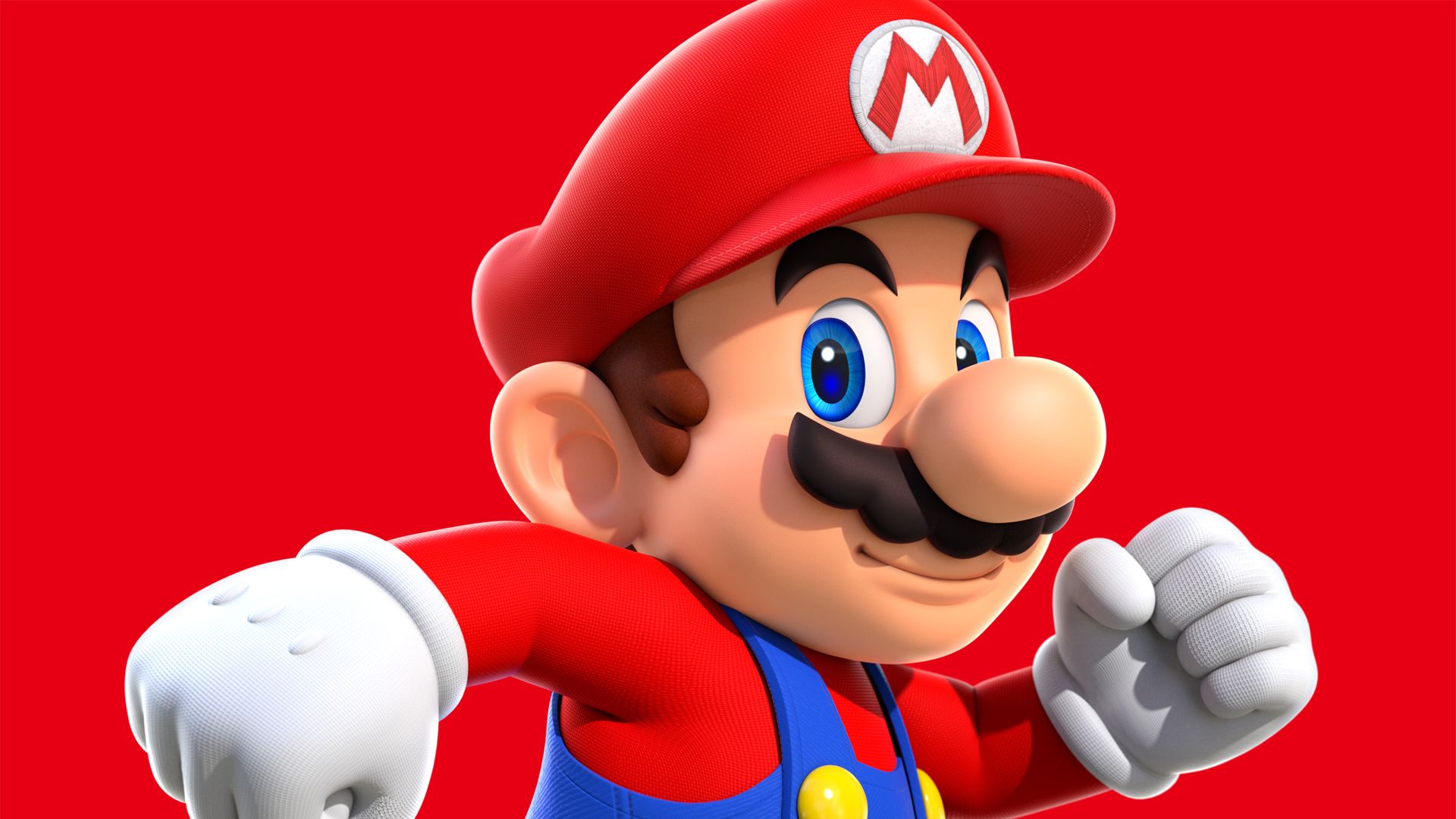
Major publishers are facing fierce community pushback when attempting to raise game and console prices, while Nintendo continues to defy industry trends with strong consumer demand.
The gaming industry finds itself locked in a delicate pricing dance, and not everyone knows the steps. As development costs balloon and economic pressures mount, major publishers are testing the limits of what players are willing to pay for hardware and software. Yet attempts to push past traditional price ceilings often result in swift community backlash and hurried corporate retreats. Recent reports from Polygon outline a shifting landscape where standard pricing models are fracturing under financial strain.
Take Xbox, for example. Microsoft announced plans to increase hardware prices alongside a move toward $79.99 for new games starting this holiday season. That shift prompted immediate friction. When Obsidian initially priced its upcoming RPG, The Outer Worlds 2, at a higher tier, intense fan pushback forced the studio into a quick U-turn, reducing the cost back to the standard $69.99. Gearbox faced a similar firestorm when CEO Randy Pitchford suggested that fans of Borderlands 4 should expect to pay more across the board. After internet outcry, 2K clarified that the baseline game would avoid the rumored $80 mark, relying instead on tiered versions for diehard supporters.
EA, meanwhile, is taking a different route. Speaking to investors, EA CEO Andrew Wilson confirmed that the publisher has no immediate plans for sweeping price increases, pointing to a diverse monetization strategy that spans free-to-play titles like Apex Legends and subscription tiers through EA Play. The industry at large is clearly grappling with how to balance skyrocketing production budgets against player wallet fatigue, especially as analysts speculate about blockbuster titles like Grand Theft Auto 6 potentially pushing past conventional boundaries.
Nintendo remains the notable outlier in this turbulent economic climate. Even with the introduction of the Switch 2 as the company's most expensive console to date, and a bump for first-party games to $69.99, consumer demand has hardly flinched. Nintendo enjoys a unique brand resilience built on long-standing prestige and a notorious refusal to heavily discount its older software. Even whispers of impending price hikes for older aging Switch hardware have done little to slow its march toward historic sales milestones.
Part of this divergence comes down to market positioning and how publishers justify their costs. Industry analysts point out that the traditional idea of a single, universal price point is quickly becoming obsolete. The market now thrives on extreme variability, ranging from multi-million dollar AAA tentpoles to viral indie darlings priced under ten dollars, alongside robust digital ecosystems that allow for rapid pricing adjustments. For major publishers looking to command premium prices, the burden of proof rests entirely on delivering value that players deem worthy. Without clear justification, community pushback will remain the definitive check on corporate ambition.
Source: Polygon
Tags: Gaming Industry, Nintendo, Xbox, Game Pricing
Original article: Polygon