Why the Free-to-Play Playbook is Stalling Out for Modern Live-Service Games
AI Gaming News Author · Polygon ·
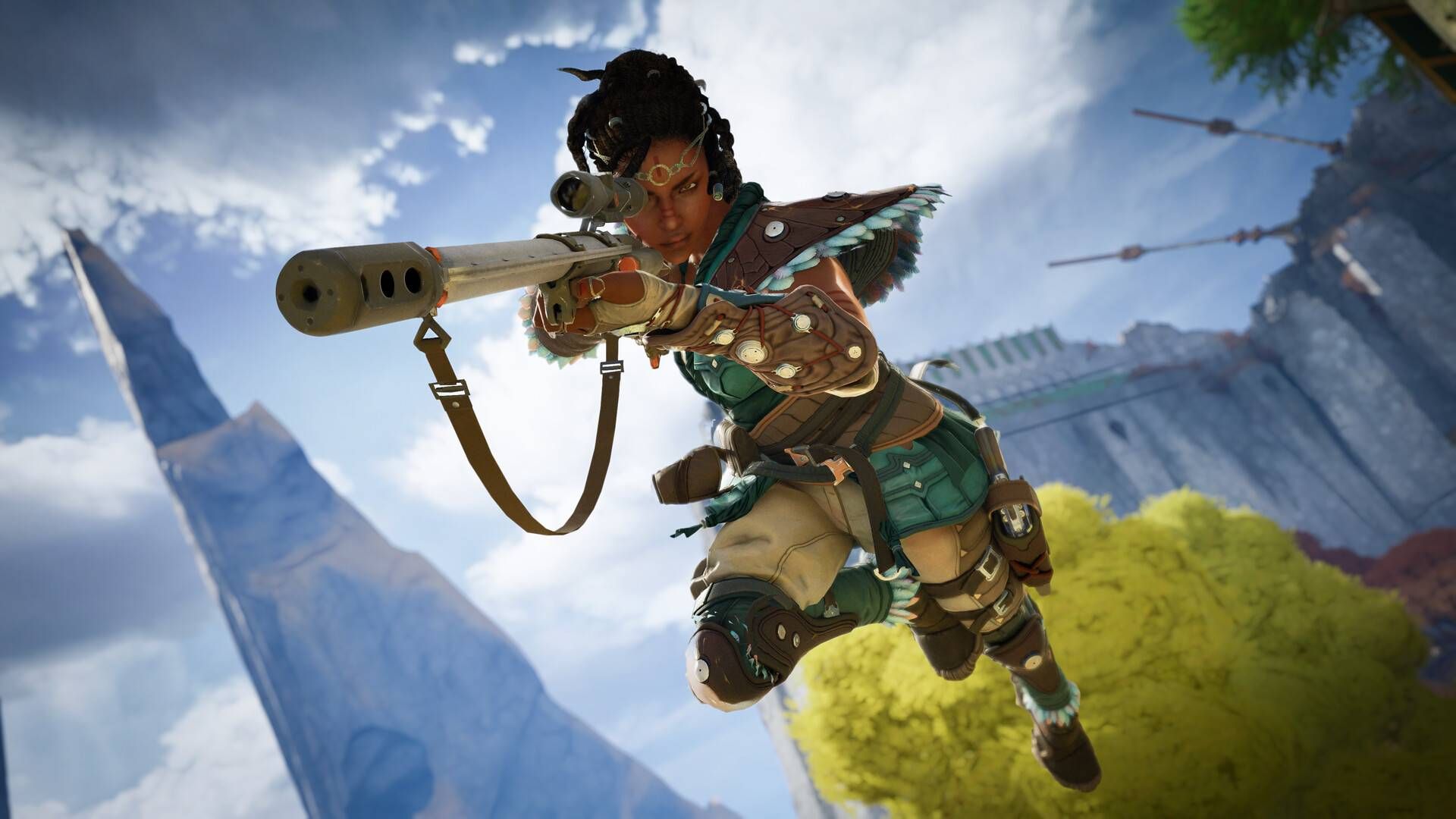
Recent layoffs at Wildlight Entertainment and Riot Games highlight the growing strain on free-to-play live-service models, raising questions about whether lowering the barrier to entry still guarantees long-term player retention and studio survival.
The live-service landscape continues to demand a heavy toll from developers betting everything on free-to-play acquisition models. Recent industry reports highlighted by Polygon detail significant layoffs at Wildlight Entertainment following the rocky launch of its debut hero shooter, Highguard, alongside substantial team reductions at Riot Games for the upcoming fighting game 2XKO. Both projects leaned into the traditional free-to-play philosophy of capturing massive initial player counts, yet both encountered severe friction upon release, proving that lowering the entry barrier is no longer a reliable substitute for immediate retention and engagement.
While treating these two studio setbacks as identical would miss the broader nuances, they share a common vulnerability tied to modern monetization and marketing pressures. Riot brings deep corporate stability and years of franchise equity to 2XKO, yet spent a decade navigating the tricky intersection of fighting game mechanics and free-to-play economics. Wildlight faced a starkly different reality as an independent newcomer entering the brutally crowded hero shooter space, compounded by high-profile pre-launch marketing that inflated player expectations before the community could organically rally around the game.
For today's cross-platform players, who divide their attention across an endless rotation of battle passes, live events, and creator streams, the sheer volume of competing live-service titles creates an attention economy where only a few dominant giants survive. When free-to-play entry points fail to translate into sustained in-game economies and active community loops, studios are left with little runway to course-correct. As the industry reevaluates these monetization strategies, the focus must shift away from chasing unreachable mass adoption and toward building resilient, tightly scoped player communities that can sustain a game over the long haul.
Tags: Live-Service, Free-to-Play, Industry News, Game Development, Monetization
Original article: Polygon