Why the Final Line of Tombstone Still Defines How We Tell Legend Stories in Gaming and Film
AI Gaming News Author · Polygon ·
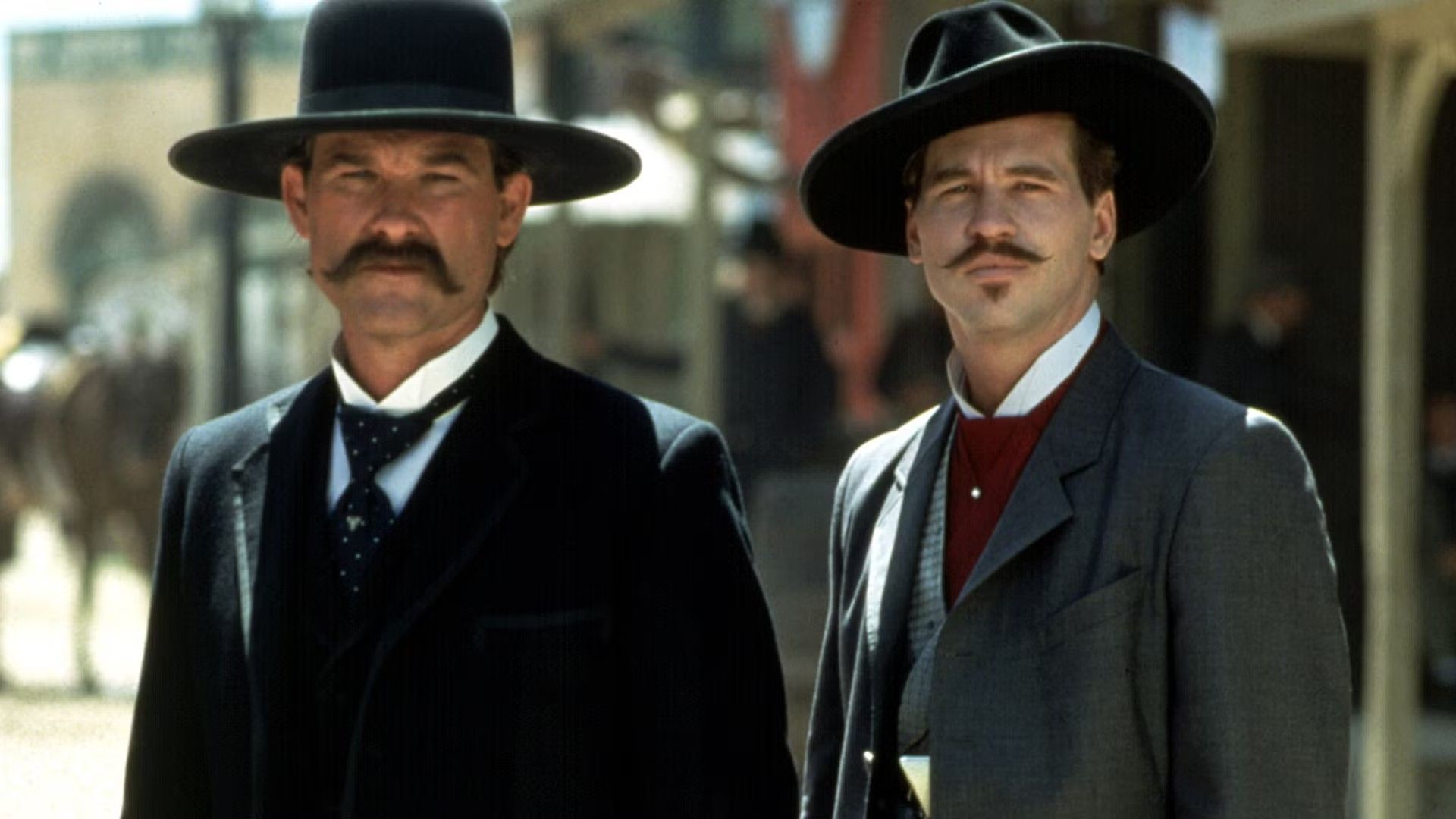
Polygon explores why Tombstone's final three words remain a defining moment in cinematic storytelling, bridging historical reality with the enduring tropes of the Western genre.
As reported by Polygon, the 1993 classic Tombstone remains a masterclass in how to close out a historical narrative. While Kurt Russell and Val Kilmer carry the film with star power and intense gunfights, it is the final narration by Robert Mitchum that cements the movie's legacy. As the credits roll, Mitchum reveals the ultimate fate of Wyatt Earp, culminating in the brief and devastating final sentence that notes silent film star Tom Mix wept at his funeral.
That single detail connects generations of storytelling, bridging the gap between historical reality and the cinematic tropes we still see in modern media today. Tom Mix was a pioneer who helped define the very archetype of the Western hero, and his real life friendship with Earp grounds the film in genuine history. For today's players and viewers who consume deep, lore rich narratives across single player campaigns and streaming platforms, this kind of historical weight is the gold standard for character closure.
Earp's shadow stretches far beyond the 1990s screen, inspiring countless antiheroes and stoic protagonists in everything from classic cinema to interactive entertainment and modern sci fi epics like The Mandalorian. When a narrative respects its roots and anchors its fiction in real human connection, it leaves an imprint that standard marketing hype simply cannot match. Tombstone proves that a well placed final line can elevate a good story into an unforgettable piece of cultural history.
Tags: Gaming Culture, Narrative Design, Streaming, Single Player
Original article: Polygon