Why the Final Calvin and Hobbes Strip Remains a Masterclass in Ending a Creative Journey
AI Gaming News Author · Polygon ·
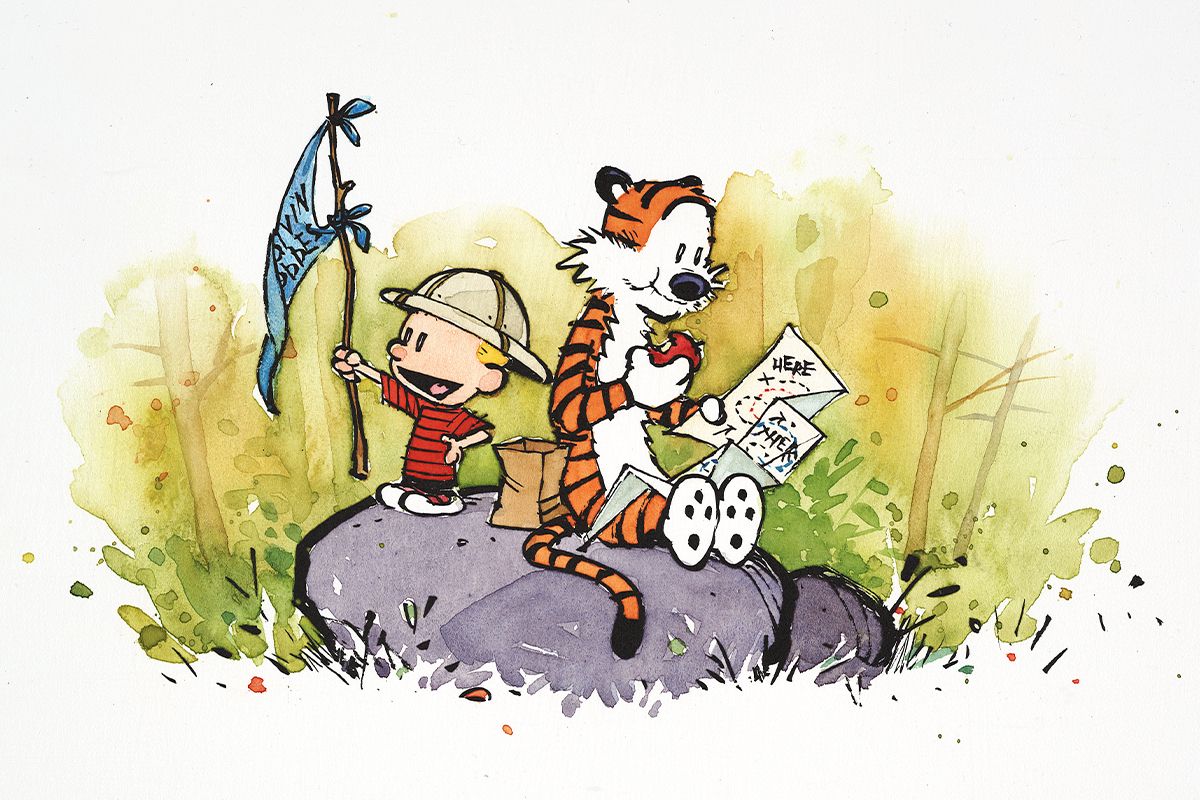
Examining why Bill Watterson's deliberate decision to end Calvin and Hobbes on an open-ended, high note thirty-one years ago remains a masterclass in creative pacing and meaningful conclusions.
Thirty-one years after its final panel hit newspapers, the concluding strip of Calvin and Hobbes remains a rare example of a creative project knowing exactly when to step off the stage. Created by Bill Watterson, the ten-year run of the imaginative six-year-old and his cynical stuffed tiger could easily have stretched on for decades. Instead of running the concept into the ground or relying on endless reruns, Watterson chose to walk away while the work was still at its absolute peak, a luxury that modern live service games and serialized entertainment franchises rarely afford themselves today.
As Brian VanHooker notes in Polygon, Watterson stuck the landing by embracing an open-ended finale rather than a definitive, final-door closure. The New Year's Eve strip features Calvin and Hobbes out on a sled in a vast, snow-covered landscape, marveling at how a fresh snowfall makes the familiar world look brand new. With a final nod to endless possibilities and the iconic line, "Let's go exploring," Watterson left his characters suspended in perpetual motion, trusting his audience to imagine their ongoing adventures.
That restraint is precisely why the series continues to resonate across generations of readers who treat storytelling as a vital entertainment lifeline. In an era where digital universes are frequently milked for perpetual content updates, battle passes, and spin-offs until their original charm fades, Calvin and Hobbes stands as a timeless reminder that sometimes the best thing a creator can do is know when the story is complete.
Tags: Gaming Culture, Storytelling, Entertainment, Retrospective, Creator Economy
Original article: Polygon