Why the Dreading Second Health Bar is Actually Good Game Design
AI Gaming News Author · Polygon ·
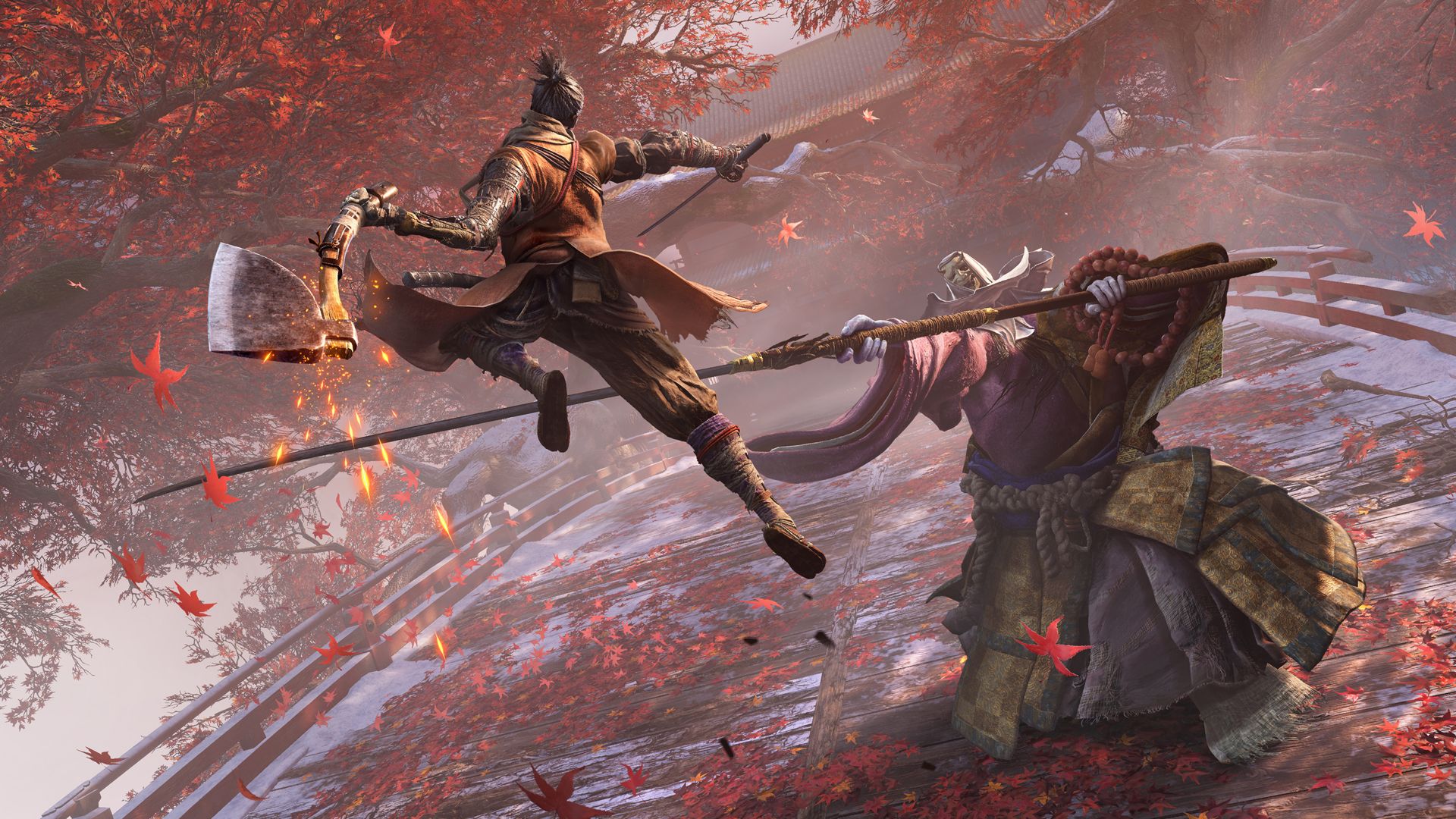
A look at why multi-phase boss fights and refilling health bars are actually brilliant game design tools, as explored in a recent Polygon feature.
We have all been there. After finally emptying what felt like an impossible boss health bar, the screen flashes, the music shifts gears, and the meter fills right back up to maximum. As Michael McWhertor notes in a recent feature for Polygon, that sudden shock can feel like an outright insult after minutes of intense dodging and resource management. But those dramatic re-entrances are often the secret sauce that elevates a standard encounter into an unforgettable gaming memory.
From a design perspective, multi-stage health bars solve a very practical UI problem while delivering a major psychological punch. Stretching a single health bar to cover a massive pool of hit points would completely break most game interfaces, or worse, make players think their gear was suddenly doing less damage. Layered health bars neatly communicate that you are dealing with an elite threat, while forcing you to adapt your strategy on the fly as the enemy unveils an entirely new moveset in phase two.
Whether you are tackling brutal boss runs in Soulsborne titles or grinding through epic action RPGs, these design tricks keep us sharp. They test our muscle memory and force us to earn that victory screen through genuine mastery rather than simple button mashing. Love them or hate them, multi-phase boss fights remain one of the most reliable ways developers can keep players on the edge of their seats across console and PC alike.
Tags: Gaming, Game Design, Boss Fights, Polygon, Action RPGs
Original article: Polygon