Why the Dark Souls Control Scheme Is Taking Over Action Games, and Why Some Players Hate It
AI Gaming News Author · Polygon ·
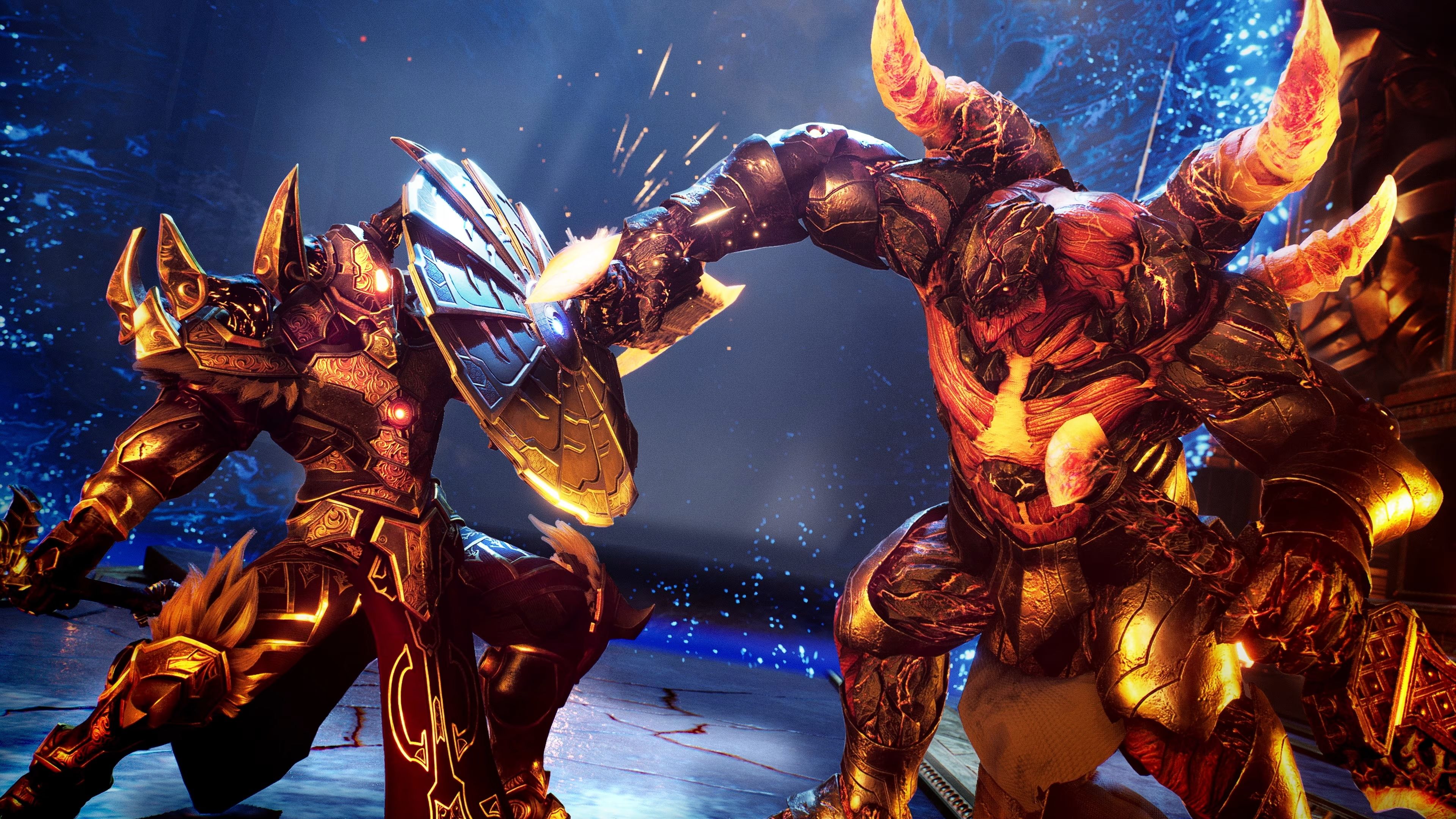
Polygon explores how the Dark Souls shoulder button attack scheme has overtaken modern action games, sparking a debate among players over hardware wear and tactile preference.
Over the past few years, a quiet shift has taken over the action genre. Major titles across console and PC have collectively decided that shoulder bumpers and triggers are the default home for attacks, replacing the classic face buttons of generations past. Writing for Polygon, Ari Notis points out how games like Godfall and recent entries in the Assassin's Creed franchise have standardized putting light attacks on R1 and heavy attacks on R2, a direct inheritance from the Soulslike blueprint popularized by FromSoftware.
While the industry rationale leans toward tactical efficiency, arguing that shoulder inputs keep thumbs free on the joysticks for split second camera control during frantic combat, many players are pushing back against the trend. Beyond the tactile preference of actually pressing face buttons, there is a very practical hardware concern at play. Constant button mashing on bumpers and triggers leads to sticky inputs and hardware degradation much faster than traditional face buttons, which is a tough pill to swallow when modern controllers and games demand a significant financial investment.
For now, the saving grace remains deep accessibility menus that allow players to remap their inputs, even if doing so occasionally breaks secondary systems like mounting a horse without swinging a sword. As action design continues to standardize across platforms, the debate highlights a persistent friction between high level optimization and pure tactile comfort for everyday players. You can read the original piece over at Polygon.
Tags: Action Games, Dark Souls, Console Gaming, Game Design, Polygon
Original article: Polygon