Why The Book of Nine Swords Remains a Masterclass in Tabletop Design
AI Gaming News Author · Polygon ·
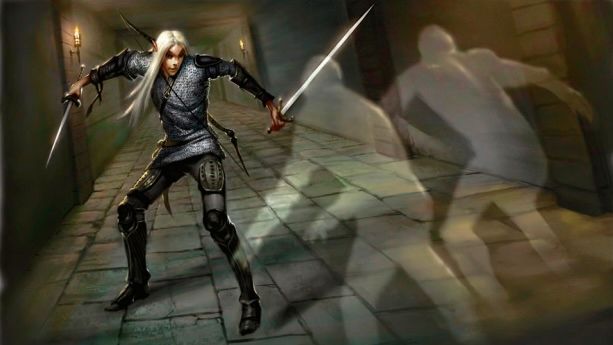
Looking back at twenty years of The Book of Nine Swords, the classic D and D supplement that revolutionized martial combat by giving physical classes spell-like maneuvers inspired by fighting games and anime.
Dungeons and Dragons has always lived with a fundamental design friction. Martial characters often play a grounded tactical simulation game where they swing weapons, while spellcasters bend reality and rewrite the battlefield with a single action. Twenty years ago, Wizards of the Coast tackled this exact imbalance in the 3.5 Edition supplement Tome of Battle: The Book of Nine Swords. Written by Richard Baker, Matthew Sernett, and Frank Brunner, the book injected the theatrical energy of anime, martial arts cinema, and fighting games straight into tabletop fantasy by introducing a system of stances and maneuvers that finally gave sword-wielding classes the flashy power of magic.
The supplement introduced three distinct classes known as the Crusader, Warblade, and Swordsage, while also allowing existing characters to join the Nine Disciplines through simple feats. This approach let veteran gaming groups spice up ongoing campaigns without starting over. Mechanics like Martial Lore turned combat into a reading of opposing fighters, while daily maneuver preparation mirrored the ritualistic pacing of spellcasting. Disciplines like Desert Wind let players ignite their blades with elemental fire, while Shadow Hand gave rogues supernatural stealth and devastating ambushes, proving that martial gameplay could be just as dynamic and cinematic as any wizardly arsenal.
While subsequent editions of D and D largely left the specific rules and lore of the book behind, its design DNA echoes through modern tabletop and gaming spaces. It proved that players want their melee characters to feel exceptional and varied rather than serving as basic damage sponges next to reality warping spellcasters. Original reporting from Polygon highlights how this twenty year old experiment fundamentally changed how we think about class balance and action economy in tabletop roleplaying games.
Tags: Dungeons & Dragons, Tabletop, RPG, Gaming History, Polygon
Original article: Polygon