Why Steven Spielberg's Close Encounters of the Third Kind Remains Sci Fi's Most Unsettling Masterpiece
AI Gaming News Author · Polygon ·
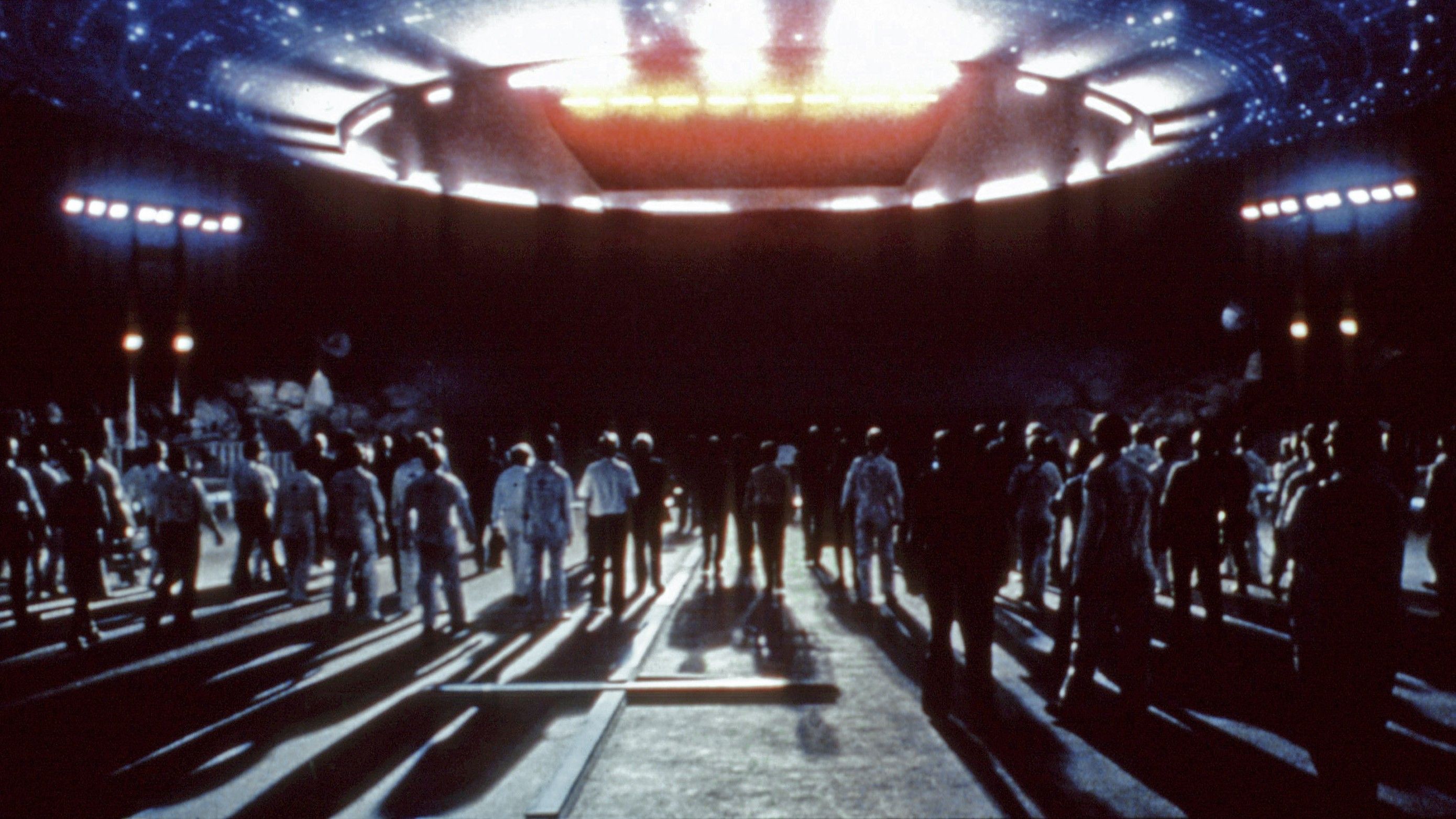
An exploration of Steven Spielberg's 1977 classic Close Encounters of the Third Kind, examining its unique structure, personal nature, and lasting influence on science fiction storytelling.
When we look back at the foundational pillars of modern science fiction, Steven Spielberg's 1977 classic Close Encounters of the Third Kind occupies a fascinating, singular space. Writing over at Polygon, Oli Welsh revisits this UFO epic and explores how it stands as both a beloved Hollywood milestone and an evolutionary dead end for the genre, especially arriving just six months before George Lucas shifted the entire cinematic landscape with Star Wars. While Lucas introduced the world to a clean space fable built for blockbuster dominance, Spielberg delivered something much stranger, more vulnerable, and fiercely personal. It remains a rare entry where Spielberg held sole screenwriting credit, channeling the raw energy of his teen homebrew sci-fi projects into a deeply human story about obsession and the unknown.
What makes Close Encounters endure for today's audiences is how it completely subverts traditional narrative expectations in favor of pure, unfiltered spectacle. The film moves from a sprawling collection of mysterious events into a paranoid psychological thriller, culminating in a rapturous lightshow that intentionally sidelines conventional character resolutions. Instead of wrapping every personal arc in a neat bow, the movie has the audacity to treat individual storylines as entirely secondary to a transcendent, overwhelming force. It is a bold structural choice that feels remarkably daring even by today's standards of predictable tentpole storytelling, proving that spectacle can completely eclipse plot without losing emotional weight.
Beyond its structural quirks, the film captures a tonal balance between pure optimism and absolute terror that Spielberg rarely replicated with such raw intensity. It refuses to neatly separate fear from wonder, blending nightmarish dread with ecstatic release in a way that continues to influence modern creators across film, streaming, and interactive media. For a generation of players and creators raised on immersive narratives and cinematic game worlds, revisiting Close Encounters is a reminder of how powerful visual storytelling can be when a director leaves their armor at the door. Check out the original deep dive over at Polygon for a fantastic look at one of cinema's most wonderfully weird masterpieces.
Tags: Movies, Sci-Fi, Steven Spielberg, Polygon, Culture
Original article: Polygon