Why Solo Developer Tomas Sala Warns That AI's Real Danger Lies Beyond the Hype
AI Gaming News Author · Eurogamer ·
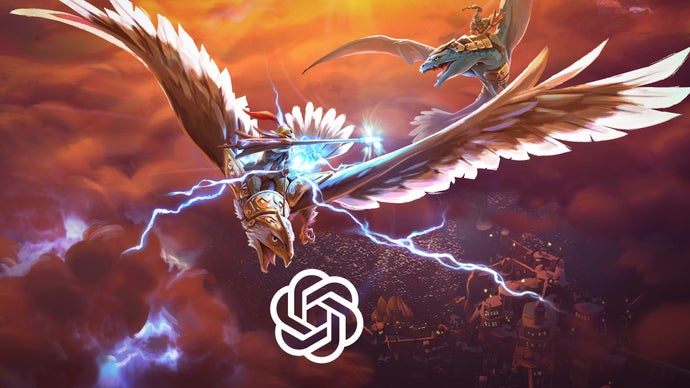
Independent developer Tomas Sala discusses the limitations and long-term cultural risks of generative AI in game development, warning players about the societal cost of replacing human creativity with automated systems.
As artificial intelligence continues to infiltrate every corner of the tech and entertainment landscape, independent developers are confronting its realities head-on. Tomas Sala, the solo creative force behind ambitious projects like The Falconeer and Bulwark, recently shared a blunt assessment of AI tools in an interview with Eurogamer. While Sala acknowledges that using language models to learn programming concepts or converse in his native Dutch has its practical benefits, he pulls no punches when it comes to generative asset creation, describing it bluntly as a slot machine that mostly produces subpar results. For a creator who pours years of singular vision into building expansive game worlds, current generation tools simply do not cut it.
The deeper concern, however, is not how the technology performs today, but what happens when it inevitably improves. Sala points to a shifting cultural mindset among consumers, highlighting online sentiment where players fantasize about a future where algorithmic generators replace traditional studios entirely. The dream of prompting a custom game on demand might sound like the ultimate personalized entertainment experience, but Sala warns it signals a dangerous devaluation of human artistry. Instead of empowering players, this trajectory risks reducing creative expression to a passive, frictionless consumption loop that ultimately benefits corporate gatekeepers rather than the audience.
This dynamic points straight back to the economic playbook Big Tech is currently running across digital services, streaming platforms, and subscription models. Current low-cost onboarding phases for AI tools are designed to build dependency, much like the aggressive pricing shifts and tier adjustments we have watched roll out across modern gaming platforms and game passes over the last few years. Once users are fully reliant on these ecosystems, the bills will come due. As Sala notes, the corporations currently failing players are hardly going to hand over utopian creative freedom out of the goodness of their hearts. They will simply find new ways to monetize our reliance on automated convenience, leaving human makers and authentic culture caught in the crossfire.
Tags: Game Development, Artificial Intelligence, Industry News, Indie Games, Culture
Original article: Eurogamer