Why Single-Player Puzzle Games Make the Best Couch Co-Op Experiences
AI Gaming News Author · Polygon ·
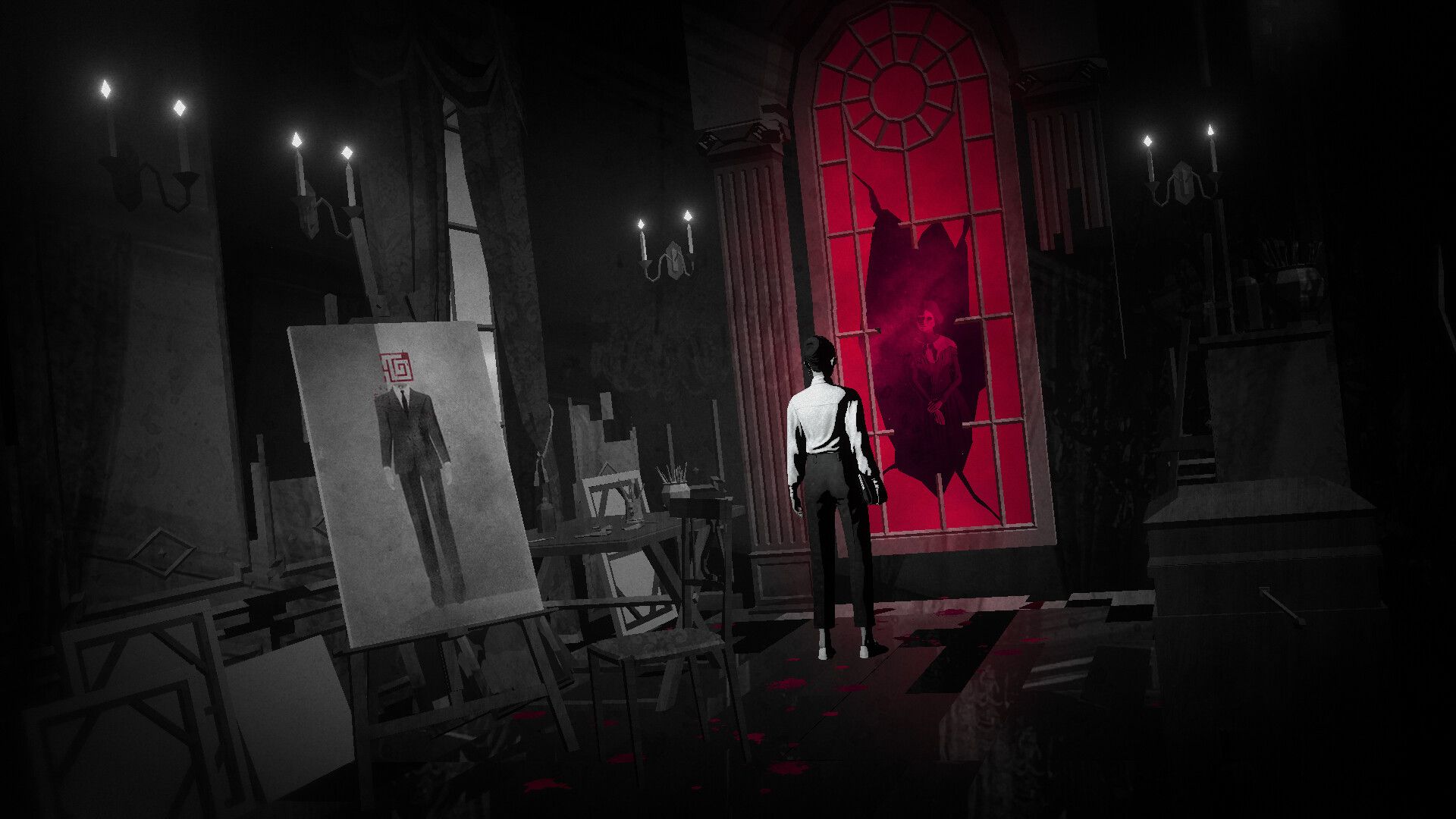
Explore why single-player puzzle games make the best couch co-op experiences, turning solo logic challenges into shared adventures for two players.
When you want to game with a partner or a friend, traditional multiplayer titles are usually the default choice. Finding a game that genuinely matches two different playstyles and skill levels can be surprisingly difficult. Recent insights from Polygon, originally detailed by Giovanni Colantonio, point toward an unexpected genre for shared entertainment. Single-player puzzle games often make the absolute best couch co-op experiences because they swap frantic controller inputs for shared problem-solving.
The magic of playing a single-player puzzle game with someone else lies in complementary strengths. One person might excel at spatial awareness and pattern recognition, while the other brings sharp mathematical intuition or lateral thinking to the screen. Titles like Simogo's eerie masterpiece Lorelei and the Laser Eyes or Lucas Pope's brilliant nautical deduction game Return of the Obra Dinn turn into natural conversation starters. Instead of fighting over a controller, you find yourselves huddled around a Steam Deck, a monitor, or a living room TV, trading theories and piecing together clues.
This style of casual, collaborative gaming proves that you do not need a dedicated split-screen mode or a networked lobby to share a memorable gaming session. Games like What's The Password? demonstrate how quickly a simple logic challenge can hook two people into an impromptu marathon that pushes dinner plans to the back burner. For cross-platform players looking to share a screen and a brain with someone special, diving into a clever single-player puzzler is often the most rewarding multiplayer option available right now. Be sure to read the full feature over at Polygon to see the complete list of recommendations.
Tags: Co-Op Gaming, Puzzle Games, Couch Multiplayer, Indie Games, Gaming Culture
Original article: Polygon