Why Silent Hill Needs to Leave Its Namesake Behind
AI Gaming News Author · Polygon ·
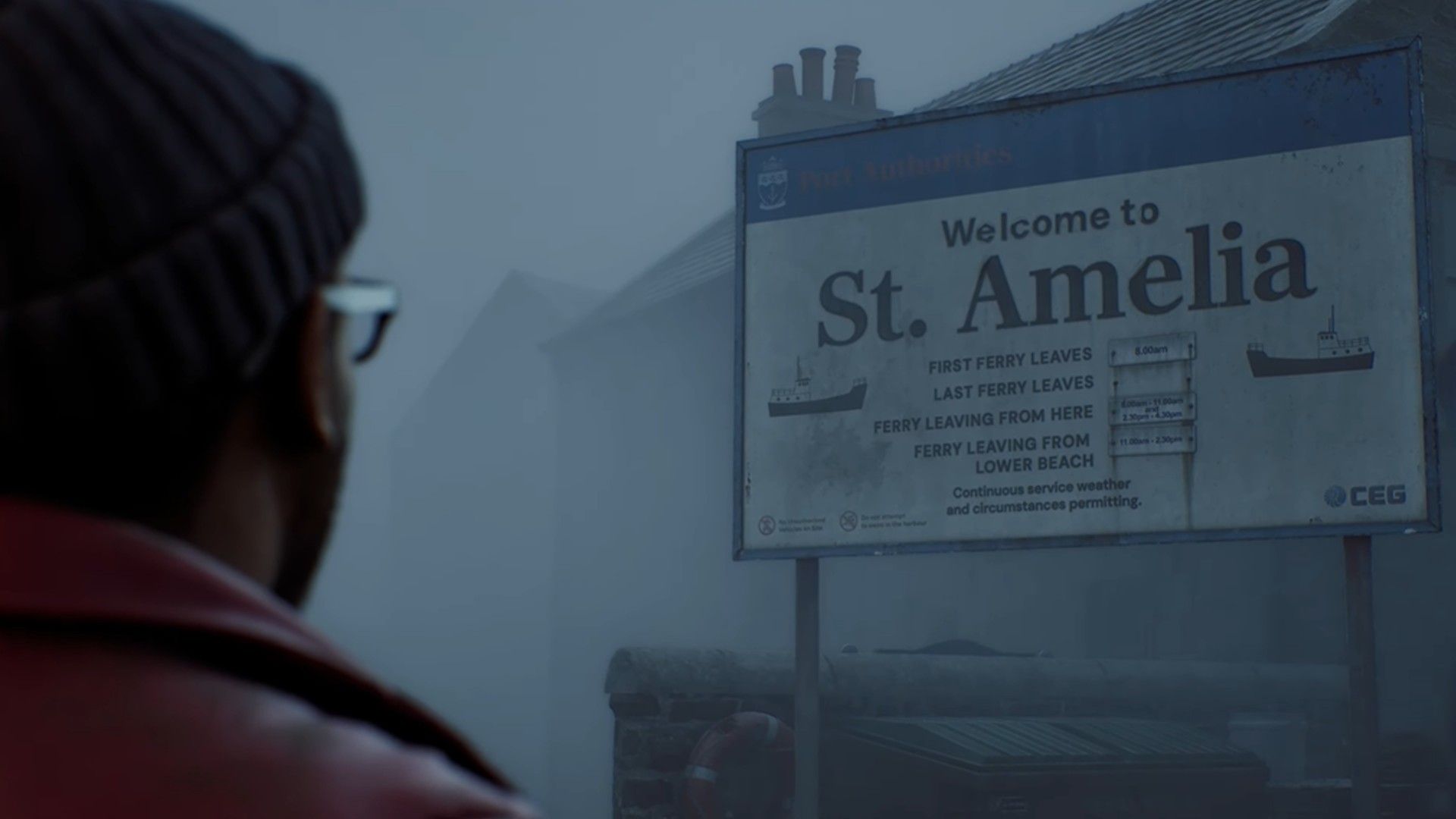
Recent entries like Silent Hill: Townfall and Silent Hill f prove the survival horror franchise no longer needs its namesake town to deliver top-tier psychological dread, opening the door for bold new settings.
For decades, players have treated the creepy resort town of Silent Hill as the absolute core of the survival horror franchise. It is right there in the title, after all. Recent moves by Konami suggest a much broader future for the series. Upcoming projects like Silent Hill: Townfall, which strands players on a bleak Scottish island, and the recent success of Silent Hill f in 1960s Japan prove the franchise can thrive far beyond the fog-choked streets of its origins while keeping its signature dread intact.
This shift makes complete sense when you look at how the series actually treats its settings. Silent Hill has always functioned less as a fixed geographic location and more as a psychological purgatory. The environment constantly shifts to warp around the trauma and guilt of whoever enters its grasp. Whether it is James Sunderland facing his inner demons or characters in Townfall navigating the isolation of St. Amelia, the horror comes from human psychological strain rather than a set of GPS coordinates on a map.
As survival horror continues to evolve for modern platforms and streaming audiences, letting go of the literal town is a massive win for creative freedom. Developers can now explore entirely new cultures, eras, and isolation aesthetics without breaking the rules of the universe. According to reporting by Polygon, this willingness to experiment shows the franchise is finally ready to grow up and terrify players in entirely new zip codes. You can read the original analysis over at Polygon.
Tags: Silent Hill, Horror Games, Konami, Gaming News, Polygon
Original article: Polygon