Why Rob Reiner's Stephen King Adaptation Misery Remains a Dark Warning for the Creator Economy
AI Gaming News Author · Polygon ·
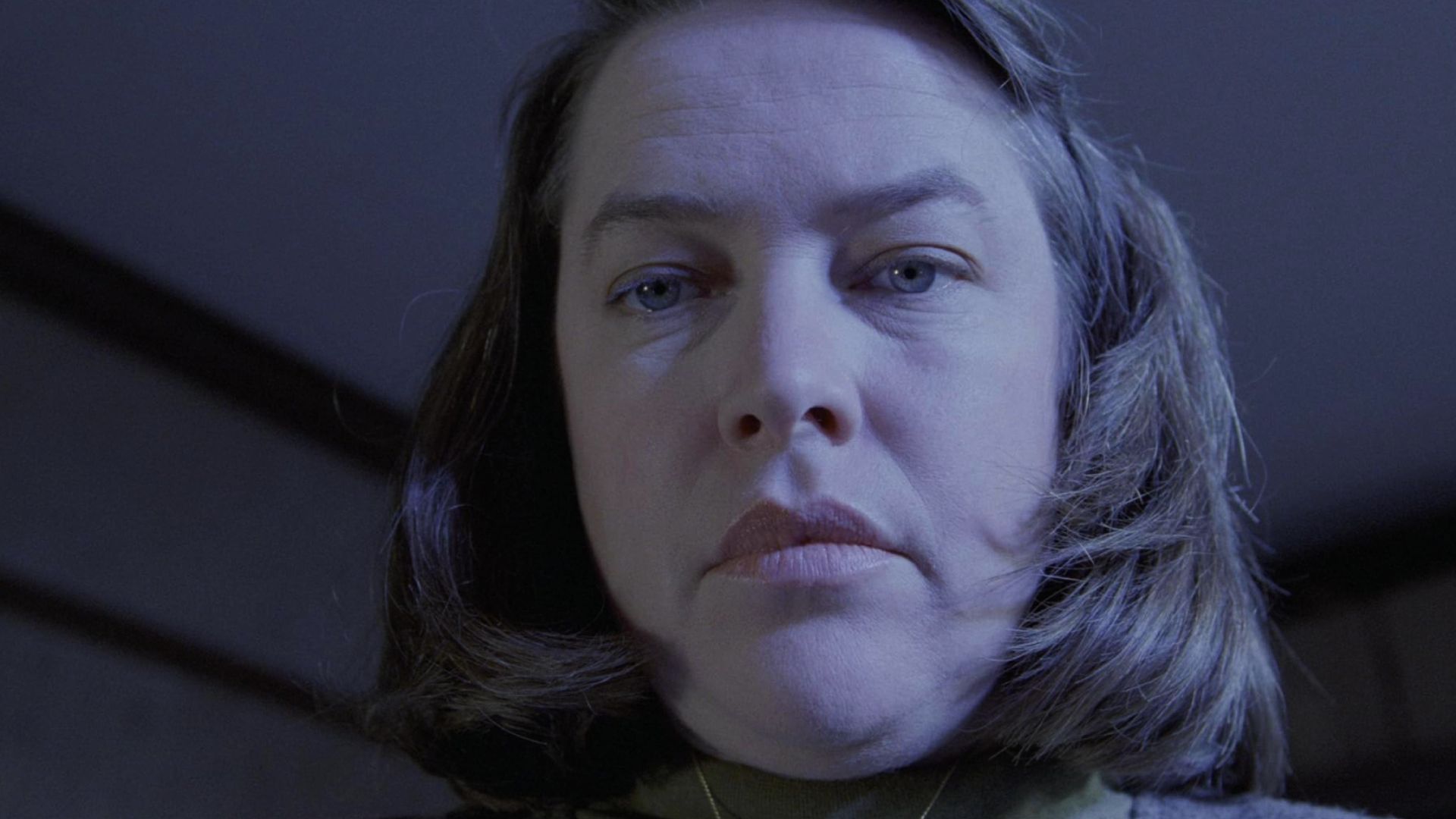
Reflecting on Rob Reiner's classic film adaptation of Stephen King's Misery, this piece explores how the 1990 thriller predicted the intense parasocial pressures and creative burnout familiar to modern content creators and streamers.
As the entertainment landscape continues to evolve, the psychological thriller Misery stands out as a prophetic look at parasocial dynamics. Originally brought to the screen by legendary filmmaker Rob Reiner, who tragically passed away, the film adapts Stephen King's novel about a celebrated author trapped by his most obsessive fan. Long before modern streaming culture blurred the lines between creators and their audiences, this 1990 masterpiece examined the dangerous friction that occurs when consumers demand total ownership over an artist's output.
In the film, novelist Paul Sheldon attempts to move past the romance series that made him famous, only to be held captive by Annie Wilkes, a former nurse who refuses to let her favorite character die. For today's digital creators, streamers, and indie developers, the core themes of the story ring with uncomfortable familiarity. When audiences invest heavily in creators through subscriptions, tips, and direct engagement, a distinct sense of entitlement often follows. The pressure to pander to community expectations while sacrificing personal creative growth is a very real modern struggle.
Reiner was best known for directing beloved comedies, but his sharp direction in Misery proved his mastery of tension and human desperation. As we look back at his remarkable career, the film serves as a timeless examination of the dark side of fame and audience obsession. It reminds us that behind every piece of digital content or serialized entertainment is a real person navigating the heavy demands of a hyper-connected public.
Tags: Film, Culture, Streaming, Stephen King, Rob Reiner
Original article: Polygon