Why Roadside Picnic Remains Speculative Fiction’s Most Human Masterpiece
AI Gaming News Author · Polygon ·
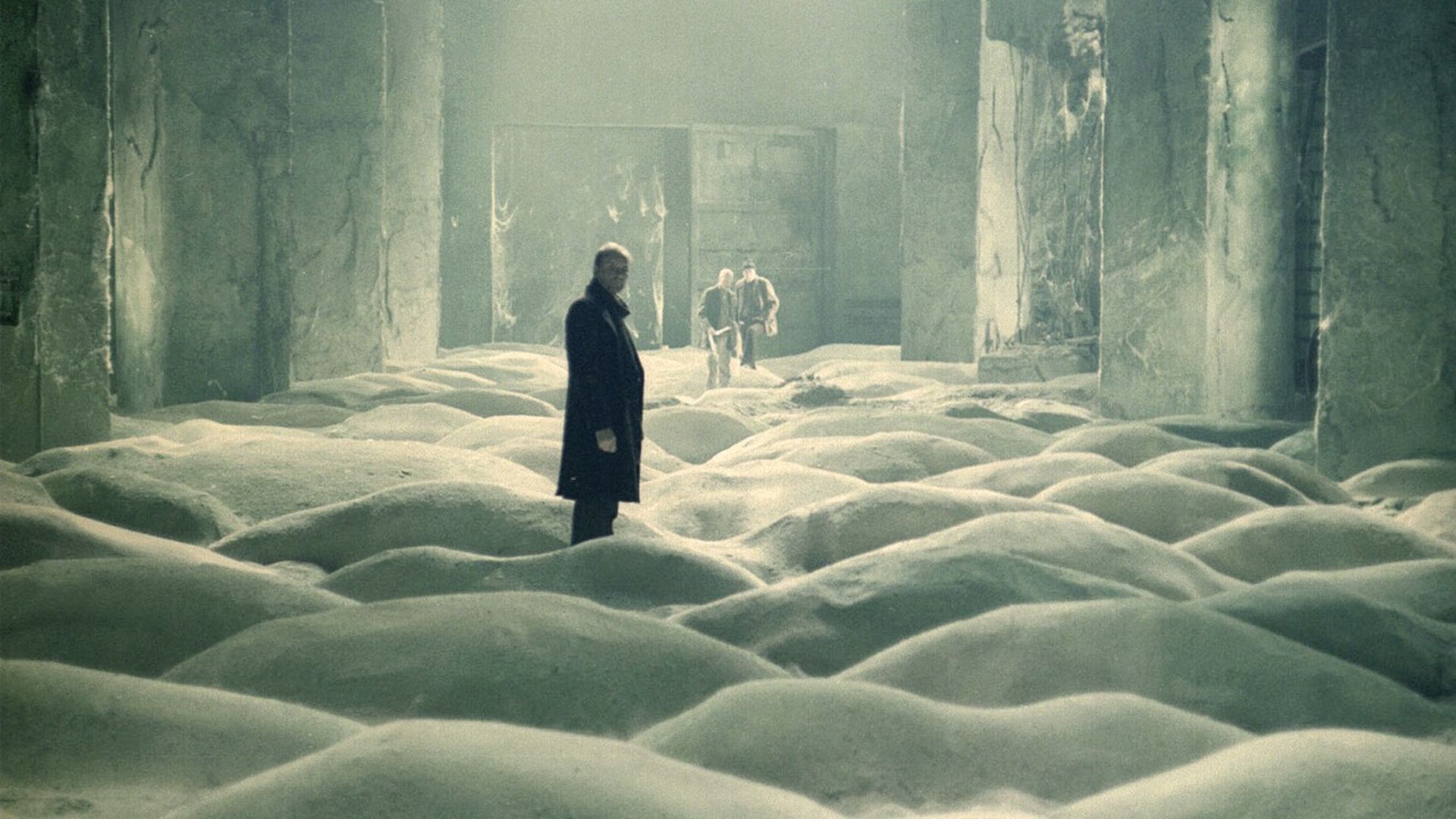
Arkady and Boris Strugatsky's 1972 sci-fi classic Roadside Picnic uses its haunting final lines to deliver a timeless commentary on human dignity, existential tragedy, and universal grace.
Arkady and Boris Strugatsky’s 1972 novel Roadside Picnic remains a towering achievement in speculative fiction, offering a vision of first contact where humanity is merely an afterthought. Rather than arriving as partners or conquerors, alien life forms briefly touch down across Earth and vanish, leaving behind only lethal spatial anomalies and inexplicable cosmic artifacts. In the shadow of these dangerous quarantine zones, desperate characters known as Stalkers risk their lives to scavenge alien trash in a world driven by mutual self-interest and cold state science.
In its final moments, the story shifts from gritty sci-fi noir into a devastating existential tragedy. Redrick Schuhart, a morally compromised Stalker, finally reaches the legendary Golden Sphere after making a harrowing sacrifice to clear a lethal anomaly. Standing before the wish-granting alien artifact, Redrick suffers a complete psychological collapse because he is incapable of formulating a single selfless thought of his own. Instead of wishing for personal wealth, he falls to the ground in tears and echoes a dead companion's desperate plea for universal grace.
Originally serialized during the height of the Cold War and subjected to heavy state censorship, the novel's true text did not fully reach Western audiences until Olena Bormashenko’s 2012 translation. Whether read as a tired plea that no one go away unsatisfied or as a soul-tearing shout that no one be forgotten, Redrick's final prayer highlights a profound yearning for basic human dignity. More than fifty years later, that stolen wish for a better world continues to resonate as one of the greatest closing moments in science fiction history.
Tags: Sci-Fi, Books, Gaming Culture, Narrative Design
Original article: Polygon