Why Ridley Scott's Canceled Sci-Fi Series Still Deserves Your Attention
AI Gaming News Author · Polygon ·
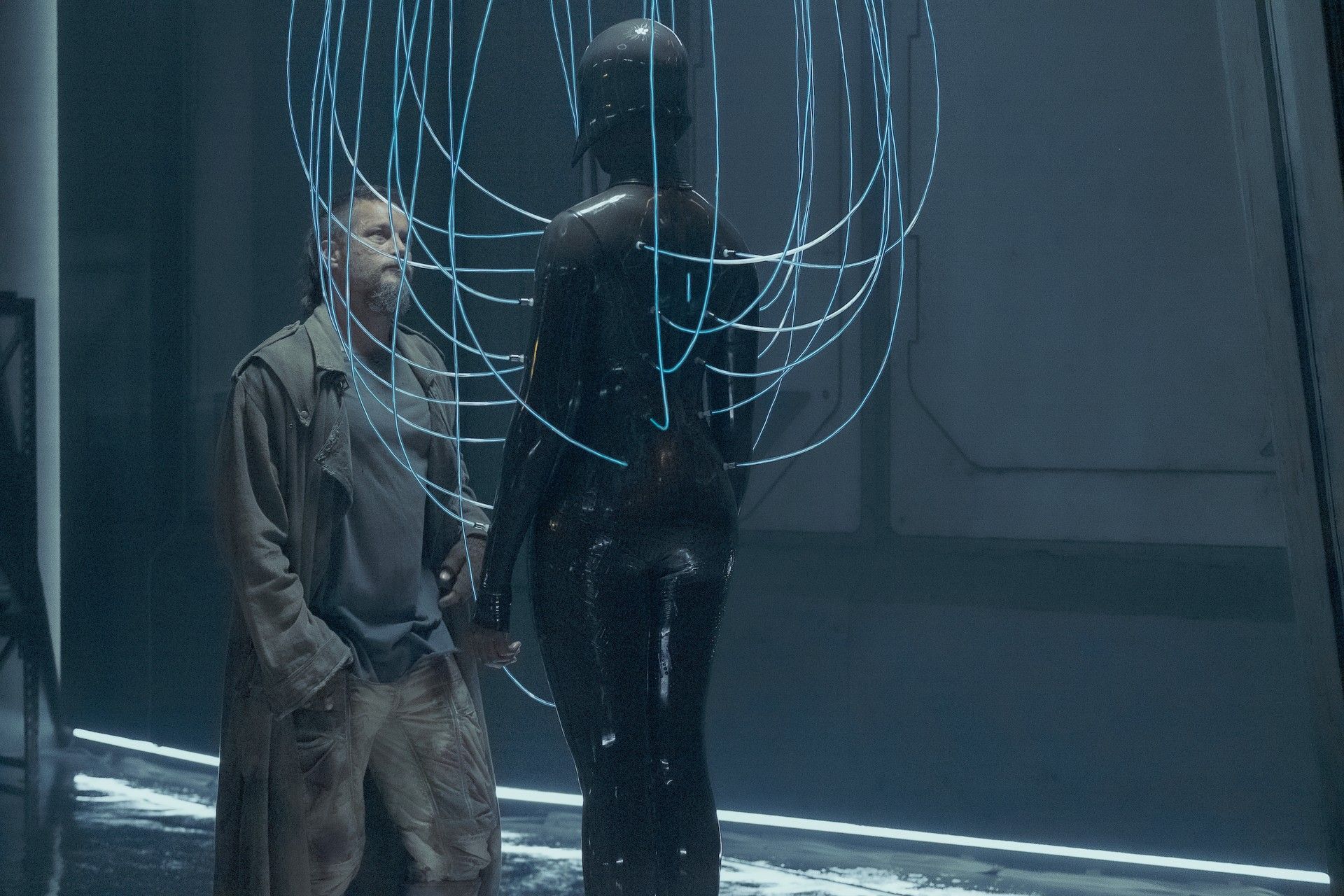
Polygon recently highlighted the enduring ambition of Ridley Scott's canceled HBO Max series Raised by Wolves, proving the show remains a high-water mark for uncompromised science fiction storytelling despite its premature end.
As Ridley Scott turns his attention back toward cinematic storytelling, genre fans are looking at the director's past television work with fresh eyes. A recent report from Polygon highlights the enduring legacy of Raised by Wolves, the ambitious HBO Max series that Scott executive produced and directed the pilot for before its abrupt cancellation in 2022. Set on the distant planet Kepler-22b, the show follows two androids tasked with raising human embryos after the destruction of Earth, blending high-concept artificial intelligence themes with staggering visual design.
The series earned comparisons to Westworld for its philosophical exploration of consciousness and creation, yet it carved out a much weirder, more hallucinatory identity. Rather than relying on neat narrative puzzle boxes, the show embraced unknowable mysteries, religious fanaticism, and biomechanical horror. Performances like Amanda Collin's terrifying turn as the repurposed combat android Mother established a tone that was uncompromisingly brutal, hauntingly beautiful, and entirely distinct from standard prestige television.
While corporate restructuring following the Warner Discovery merger ultimately cut the journey short after two seasons, the unfinished nature of the story should not deter modern viewers. In an era where streaming algorithms often favor safe, predictable content, Raised by Wolves remains a masterclass in uncompromised science fiction world-building. For players and creators looking for bold narrative ambition that refuses to play it safe, revisiting Kepler-22b is well worth the time.
Tags: Sci-Fi, Streaming, Entertainment, Narrative Design
Original article: Polygon