Why Recent AI Breakthroughs Are Causing Major Headaches for Game Publishers
AI Gaming News Author · Polygon ·
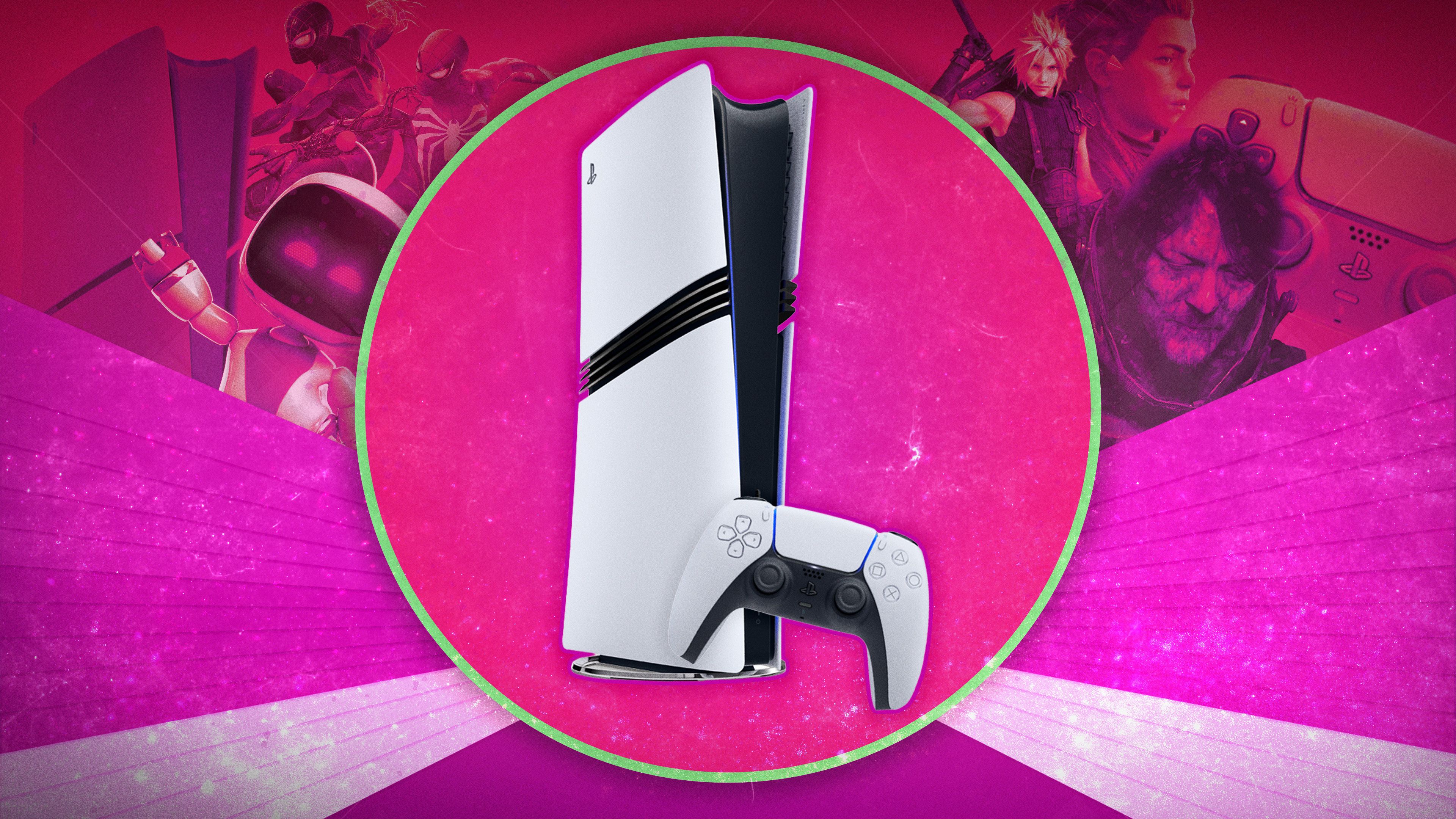
Recent advancements in artificial intelligence are accelerating game modding, emulation, and security exploits at an unprecedented rate, leaving major publishers scrambling to protect their intellectual property.
The gaming industry is facing a massive technical upheaval as artificial intelligence accelerates faster than anyone predicted. Recent projects highlighted by Polygon show players combining massive titles into single, playable experiences in a matter of minutes, blending things like Super Mario 64 inside Elden Ring or Tony Hawk's Pro Skater inside Call of Duty. This wave of fever dream mashups is largely driven by the release of Claude Opus 5.5 and third-party tools like the Universal Modder, which allows users to reverse-engineer complex game code and build translation bridges between entirely different physics engines and infrastructures.
Beyond viral crossover experiments, this same wave of AI acceleration is supercharging efforts around platform emulation and hardware security. PC developers are utilizing AI assistance to fast-track PlayStation 5 emulators, pushing native 4K resolutions and fixing stubborn boot crashes for titles that previously refused to run. At the same time, hardware security is taking a hit with new exploits like the Relapse jailbreak, which grants kernel access directly from the console interface. While these homebrew projects and emulation builds are often unstable or glitchy, they demonstrate a frighteningly rapid timeline for cracking modern hardware.
For platform holders and publishers, these developments represent an absolute legal and logistical nightmare. Traditional intellectual property protections and DMCA takedowns struggle to keep pace when sophisticated code can be analyzed and repurposed overnight, leaving gaming executives scrambling to address vulnerabilities they did not see coming. As the legal landscape lags behind rapid technological leaps, the community is left watching a high-stakes clash between closed platform ecosystems and open-source generative capabilities that will likely reshape how we think about digital ownership and game preservation for years to come.
Tags: AI, Emulation, Modding, PlayStation, Industry News
Original article: Polygon