Why Quentin Tarantino's World War II Epic Still Masters the Art of Tension
AI Gaming News Author · Polygon ·
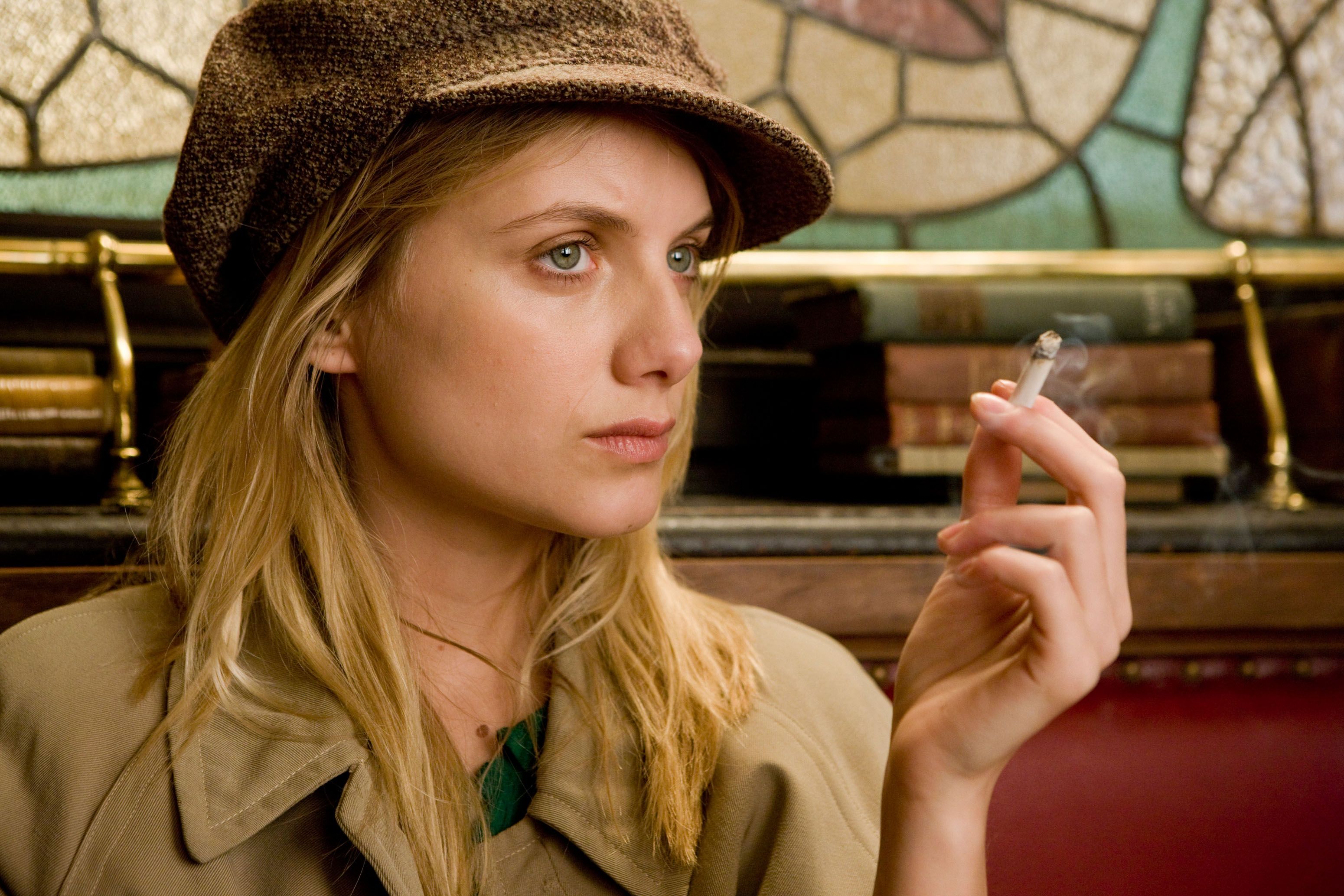
Seventeen years after its theatrical release, Quentin Tarantino's Inglourious Basterds remains a masterclass in building unbearable tension through dialogue before delivering explosive alternate-history vengeance.
Most war stories lean heavily on massive military scale, but Quentin Tarantino took a wildly different route with Inglourious Basterds. Instead of focusing solely on battlefield combat, the 2009 alternate history revenge fantasy weaponizes dialogue. Long before any bullets fly, the film establishes its unique brand of dread through agonizingly drawn out conversations where a single wrong hand gesture or misplaced accent seals a character's fate. That slow burn tension makes every interaction feel like a high stakes standoff.
Following its recent arrival on streaming services like Hulu, the film holds up remarkably well seventeen years later. Characters constantly perform roles to survive under oppressive regimes, creating an underlying current of paranoia that permeates every scene. Whether it is an SS officer interrogating a dairy farmer over a glass of milk or an undercover British spy blowing his cover in a crowded tavern, Tarantino demonstrates that psychological warfare can be far more gripping than standard action set pieces.
The brilliant payoff arrives when the movie completely shatters historical convention to give audiences the ultimate act of cathartic vengeance. By letting cinema itself destroy the Nazi high command, the narrative delivers a deeply satisfying alternate ending that still surprises modern viewers. It remains a masterclass in pacing, proving that building incredible suspense is always worth the wait before unleashing total chaos.
Tags: Film, Streaming, Culture, Entertainment
Original article: Polygon