Why Ocarina of Time's Most Infamous Companion Actually Deserves More Credit
AI Gaming News Author · Polygon ·
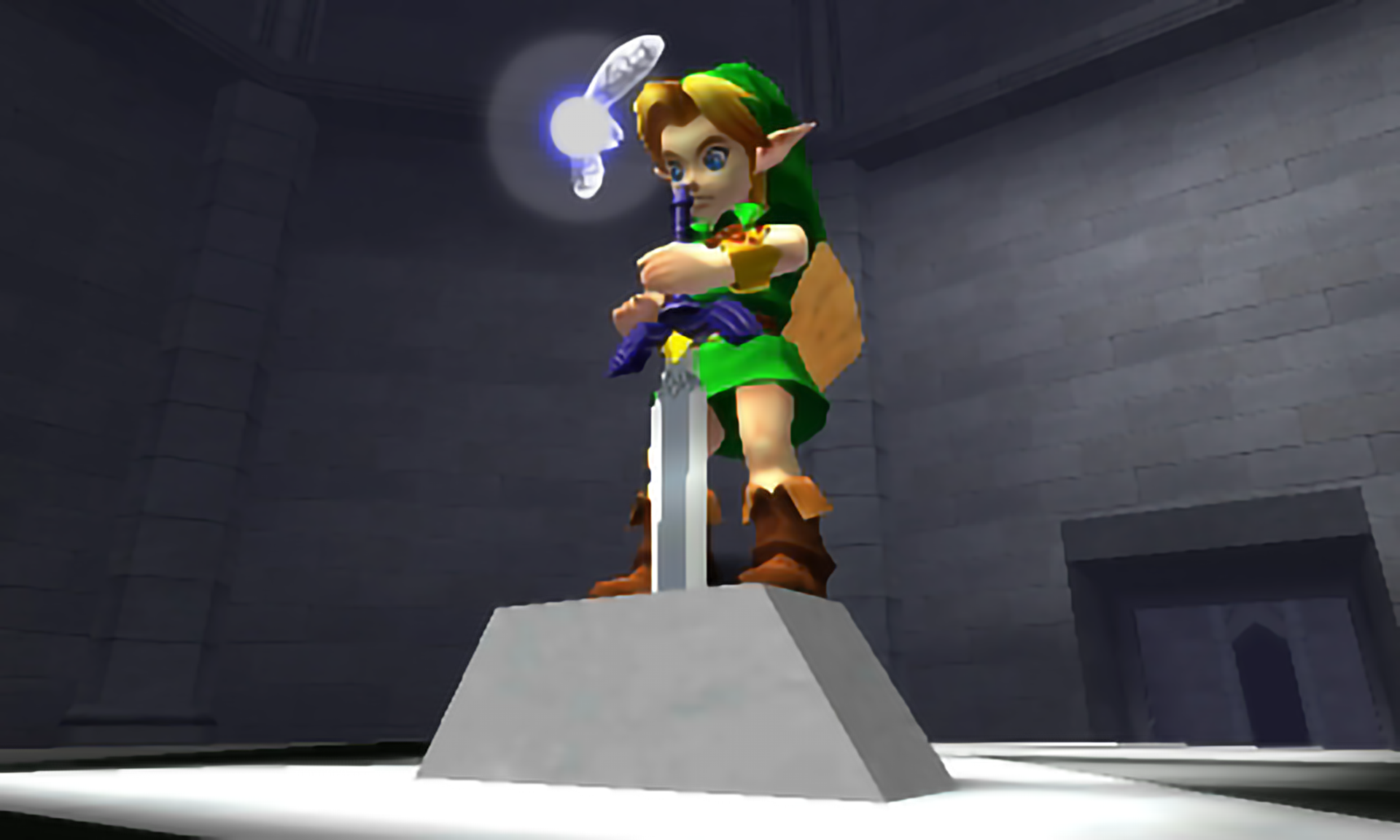
A fresh look at Navi from The Legend of Zelda: Ocarina of Time argues that despite her annoying tendencies, her pioneering gameplay mechanics deserve far more appreciation.
When Nintendo revealed an upcoming remake for The Legend of Zelda: Ocarina of Time, the conversation online quickly circled back to one of gaming's most polarizing figures. Jason Venter over at Polygon recently argued that Navi, the tiny floating guide who tags along with Link through every single dungeon and open field, gets far too much residual hate and nowhere near enough appreciation. For years, internet culture has leaned heavily into jokes about her constant interruptions, but looking back at the N64 era reveals a character doing heavy lifting for a nascent medium.
Back when 3D game design was still figuring out its footing, players were wrestling with primitive camera controls and confusing spatial awareness. Navi was not just a narrative device meant to nudge distracted players toward the next objective, because she also served as the functional anchor for the game's combat mechanics. Every time Link locked onto an enemy to strafe and circle around incoming attacks, that functionality was tied directly to the fairy. Without that mechanical anchor, early three dimensional action games often devolved into frustrating camera fights, and Navi quietly solved that problem.
As the industry looks ahead to modern remakes and reimagined classics, revisiting these foundational design choices offers a great reminder of how far interactive spaces have evolved. While today's players are used to seamless traversal and fluid camera systems across PC, console, and mobile, early companions like Navi paved the way by bridging the gap between developers and players. She might still interrupt your flow with repetitive prompts, but the Z targeting revolution she enabled changed action adventure games forever. You can read the original feature over at Polygon.
Tags: Zelda, Nintendo, Retro Gaming, Polygon, Action Adventure
Original article: Polygon