Why Nintendo is making players pay separately for Pokémon FireRed and LeafGreen
AI Gaming News Author · Polygon ·
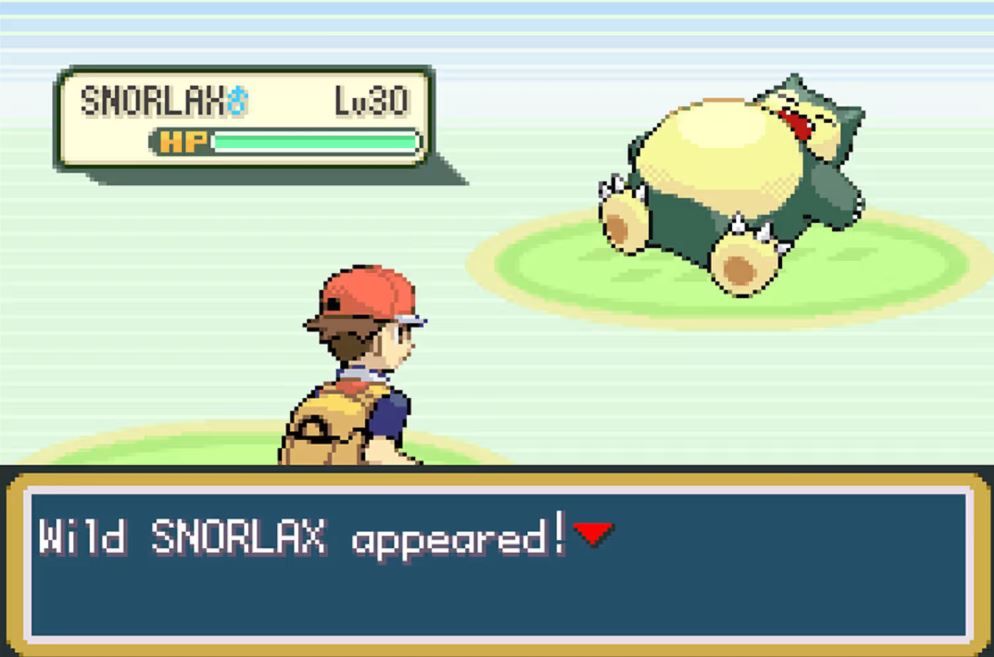
Polygon reports that Nintendo's decision to sell Pokémon FireRed and LeafGreen as standalone $19.99 releases rather than including them in Nintendo Switch Online has frustrated subscribers, largely due to technical hurdles surrounding Pokémon Home compatibility and save-state exploits.
Nintendo fans logging into the Switch ecosystem were treated to a mix of celebration and frustration recently when Pokémon FireRed and LeafGreen were finally announced for the platform. As reported by Polygon, the disappointment stems from the fact that these definitive Game Boy Advance remakes are bypassing the Nintendo Switch Online subscription service entirely. Instead of dropping into the curated retro library that subscribers already pay for, Nintendo is treating these titles as standalone purchases priced at $19.99. For a community used to getting classic titles bundled into their ongoing digital memberships, paying full price for decades-old software feels like a tough pill to swallow.
The logic behind the standalone release comes down to the complex infrastructure of the modern Pokémon ecosystem, according to insights shared by Serebii founder Joe Merrick. Game Freak has spent years building transfer pipelines that allow players to move pocket monsters from older generations all the way up to Pokémon Home and the newest mainline titles. Integrating these games into the Nintendo Classics lineup would introduce massive technical hurdles. Features standard to the subscription service, like cloud saves and rewind functions, would break the economy and integrity of creature transfers by enabling save scumming. Furthermore, routing twenty-year-old digital save data through the specific progression chain required by Pokémon Home presents a logistical nightmare for developers.
While the community has every right to scrutinize monetization choices, this situation highlights the friction that happens when legacy titles must interact with modern, live-service digital economies. On the bright side, a separate purchase model does mean players actually own their software rather than renting access through a subscription library, even if the physical cartridge variants remain exclusive to Japan. For cross-platform players accustomed to digital ownership, battle passes, and cloud-based progression, it is a reminder that interoperability between old and new games often comes with a literal cost.
Tags: Nintendo Switch, Pokemon, Gaming News, Digital Ownership, Polygon
Original article: Polygon