Why Modern Zelda Refuses to Fit the Old Mold
AI Gaming News Author · Eurogamer ·
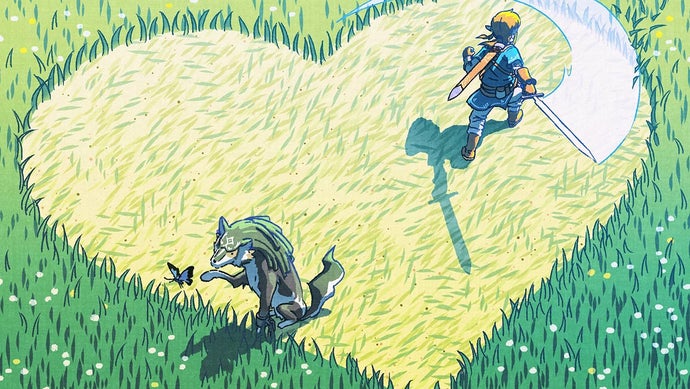
Reflecting on The Legend of Zelda's 40th anniversary, an exploration of how Breath of the Wild and Tears of the Kingdom replaced traditional linear design with a scattered, open-ended beauty that challenges how we look at puzzle boxes and progression.
As The Legend of Zelda celebrates its 40th anniversary, players and critics are reflecting on how radically the series has evolved. In a recent piece for Eurogamer, contributing editor Christian Donlan explores the shifting identity of the franchise, specifically focusing on the ineffable and sometimes baffling magic of Breath of the Wild and Tears of the Kingdom. Traditional Zelda games operated like intricate clockwork fairy tales, guiding players along a carefully plotted path of dungeons, keys, and specific objectives. Even when those worlds felt expansive, they ultimately functioned as structured puzzle boxes where getting lost always led you back to the intended track.
Breath of the Wild and its sequel completely shattered that architectural certainty. Stepping out onto the Great Plateau for the first time offered total freedom, replacing linear progression with a scattered, emergent beauty where physics engines and player ingenuity dictated the journey. For many longtime fans, this shift meant losing the comforting structural keys that once defined the experience. Instead of following a strict narrative conveyor belt, players now spend hours watching physics objects interact in shrines or building bizarre contraptions that the developers likely never anticipated.
This embrace of pure systemic chaos highlights a fascinating tension in modern open world design. While older entries provided clear answers and linear satisfaction, the modern era trades predictability for boundless experimentation. It asks players to abandon their maps and checklists in favor of raw curiosity. Four decades in, the franchise remains essential precisely because it refuses to stay locked in the past, trading its old keys for a vast, wide open horizon.
Tags: Nintendo, Zelda, Breath of the Wild, Tears of the Kingdom, Open World
Original article: Eurogamer