Why Magic: The Gathering's Crossover Era is Actually Good for the Hobby
AI Gaming News Author · Polygon ·
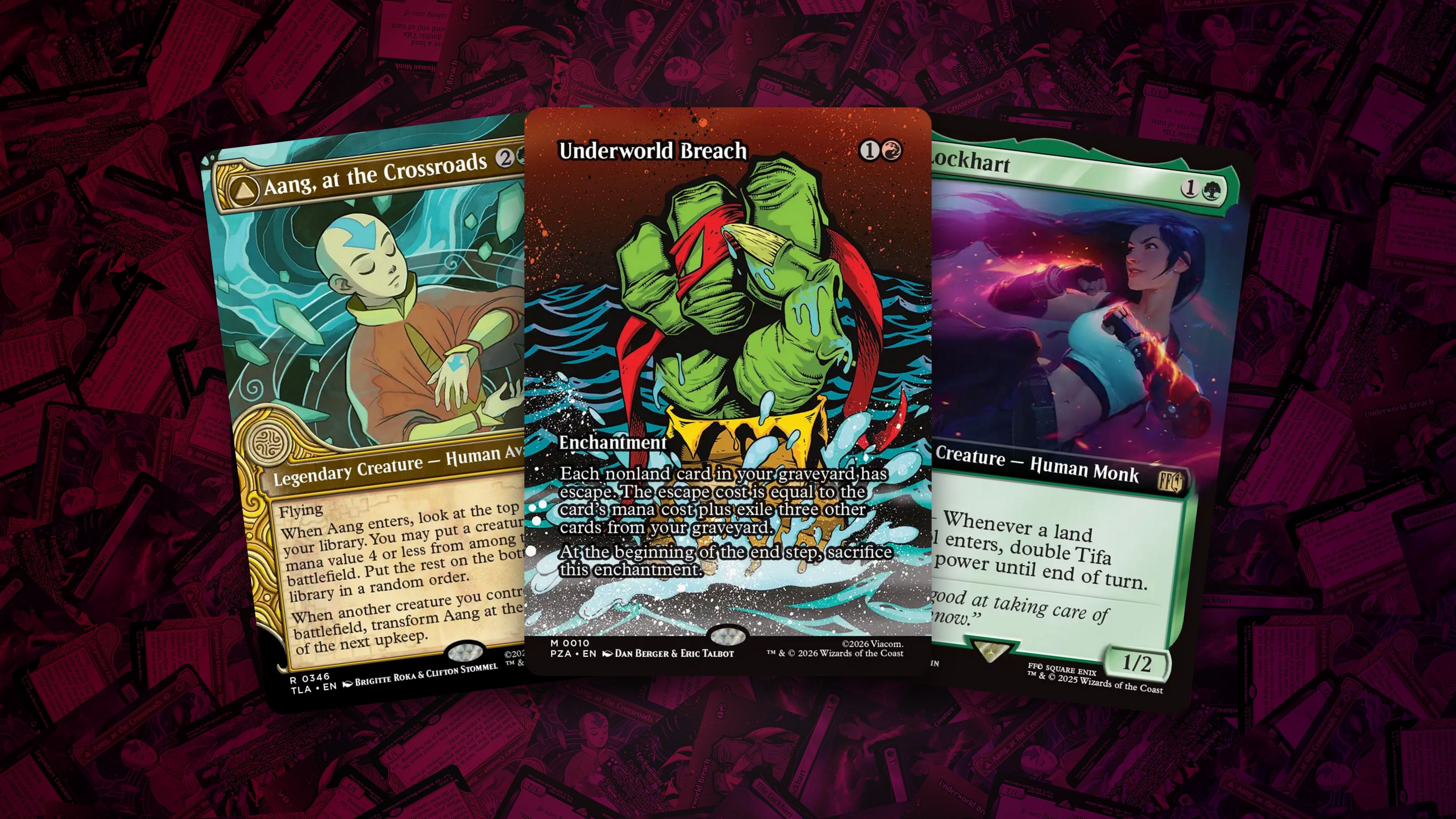
Critics often claim that Magic: The Gathering's Universes Beyond crossovers dilute the game, but these pop culture collaborations are actually vital for attracting new players and keeping local game stores healthy.
For decades, trading card games lived or died by their own proprietary lore. When Magic: The Gathering introduced its Universes Beyond initiative, bringing massive intellectual properties like Marvel, Final Fantasy, and Lord of the Rings straight to the tabletop, the pushback from purists was swift. Many veteran players argued that relentless crossovers threatened the game's identity. They worried that a tabletop space once defined by original fantasy worldbuilding was turning into a chaotic pop culture storefront. Yet, looking at the actual tables in local game stores tells a completely different story.
As recently highlighted in a piece by Corey Plante over at Polygon, these high profile collaborations are doing the heavy lifting required to keep a thirty year old card game alive and culturally relevant. When a younger generation walks into a local hobby shop specifically to buy Marvel booster packs, they are entering the exact pipeline that keeps game stores funded and communities growing. Nostalgia is powerful for veteran collectors who started playing decades ago, but a healthy trading card economy ultimately relies on fresh faces and new investments.
Ultimately, digital economies, battle passes, and crossover events are standard across modern gaming and streaming culture, and physical card games are no different. Franchises like Pokémon have proven for years that emotional attachment to familiar characters drives both collecting and playing. Universes Beyond is not destroying the soul of Magic. Instead, it is giving a new generation a welcoming doorway into the hobby, ensuring that the game we love will thrive for decades to come.
Tags: Magic The Gathering, Card Games, Tabletop, Gaming Culture, Universes Beyond
Original article: Polygon