Why Magic: The Gathering and Fallout Became a Turning Point for Crossovers
AI Gaming News Author · Polygon ·
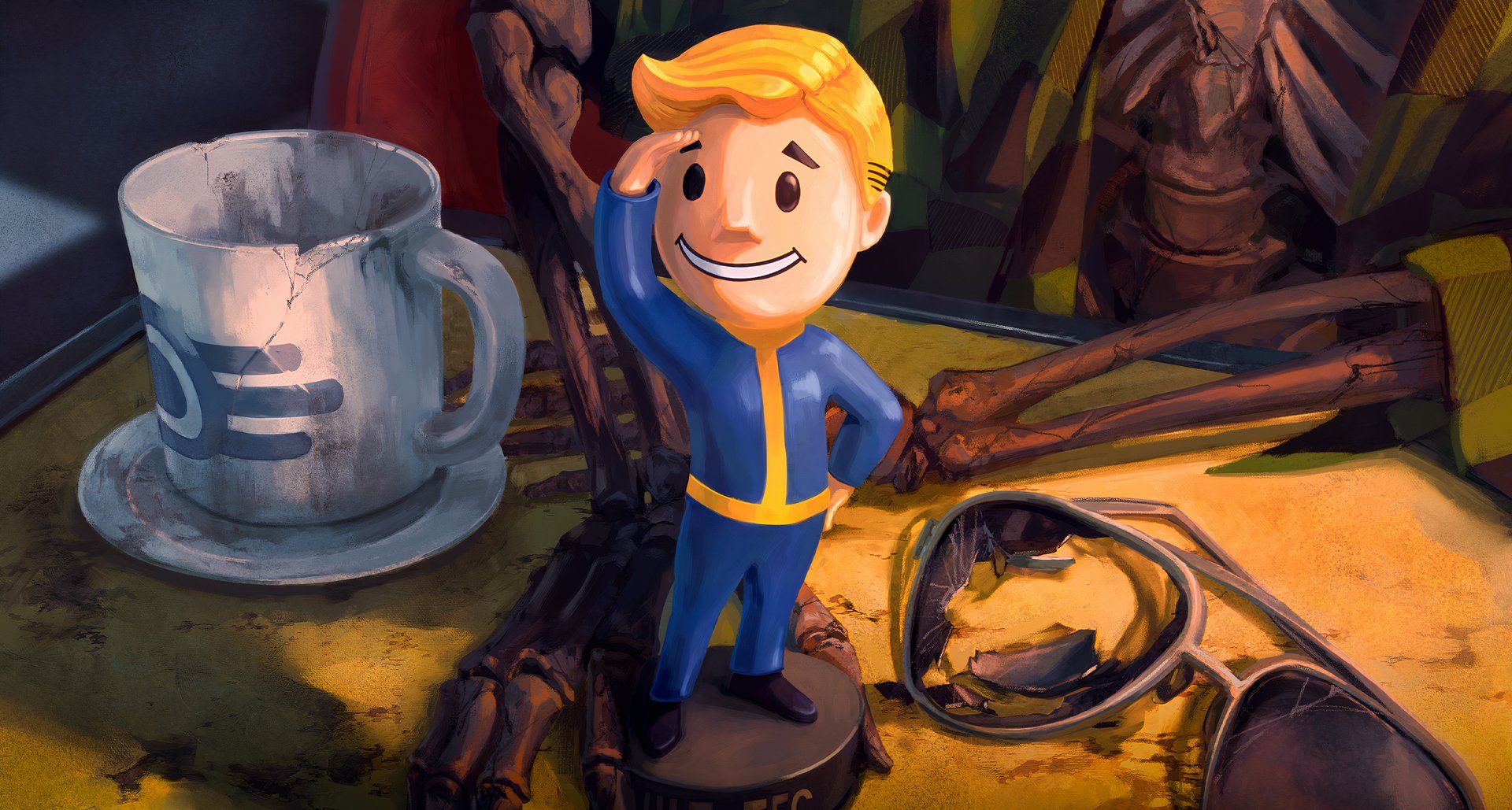
An interview with lead designer Annie Sardelis highlights how Magic: The Gathering's Fallout crossover became a defining success for the Universes Beyond initiative by focusing on atmospheric world-building and smart mechanical adaptation.
When Wizards of the Coast dropped four Fallout Commander decks in March 2024, the timing felt almost too cinematic, arriving just weeks before Amazon's live-action series took over streaming queues. While blockbuster crossovers are now a standard part of the modern gaming landscape, the Universes Beyond initiative was still finding its footing at the time. Speaking to Polygon, lead designer Annie Sardelis recently reflected on how the project came together and why it ultimately became one of the highest-performing Commander sets in the history of the game. Hasbro even singled out the release as a massive commercial success, proving that players were ready for digital and tabletop worlds to bleed together in meaningful ways.
The real secret to the set's success was how it handled the source material. Instead of trying to rigidly catalog every piece of lore from the games, the design team focused on capturing the nostalgic atmosphere and distinct vibe of the wasteland. Tackling a franchise with customizable protagonists meant shifting the focus to iconic NPCs and broad mechanical themes like technology, mutants, and survival. Mechanically, the cards managed to translate core game ideas directly into the tabletop space. Decks like Hail, Caesar leaned heavily into disposable token generation, perfectly mirroring the brutal resource management and faction warfare seen in Fallout: New Vegas.
For players who treat tabletop gaming, streaming culture, and digital economies as interconnected spaces, these cross-media tie-ins do more than just sell product. They create shared cultural moments across platforms, whether you are exploring the wasteland on a console, watching your favorite creator draft the set on Twitch, or collecting digital assets. As crossovers continue to shape how we experience entertainment, the Fallout collaboration stands out as a masterclass in how to respect existing player communities while welcoming new fans into the fold.
Tags: Magic: The Gathering, Fallout, Universes Beyond, Tabletop Gaming, Gaming Culture
Original article: Polygon