Why Lawnmower Man 2 is Unwatchable Cinema That Nailed the Future of Tech
AI Gaming News Author · Polygon ·
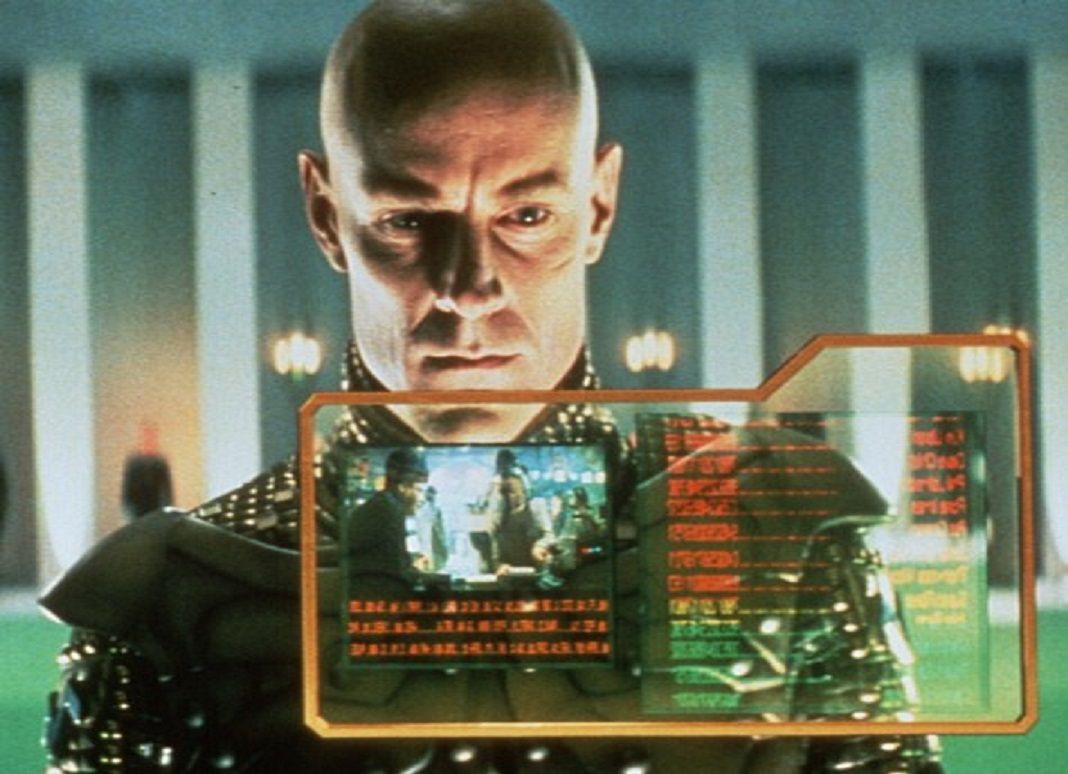
Thirty years after its theatrical release, the widely panned sci-fi sequel Lawnmower Man 2 stands out as an accidentally prophetic look at modern virtual reality and digital connectivity, despite being an unwatchable movie.
If you are looking through streaming catalogues for a movie night, you might stumble upon 1996's Lawnmower Man 2: Beyond Cyberspace and wonder if it deserves a ironic watch. As Polygon notes in a recent retrospective, the sequel is an absolute slog that lost almost everything that made the original 1992 sci-fi hit work. With original star Pierce Brosnan and director Brett Leonard both absent, the studio completely recast the villain and delivered a messy production that tanked both critically and commercially. It is roughly ninety-three minutes of dated special effects that look like a vintage operating system screensaver.
Yet, looking back three decades later, the film’s narrative premise feels genuinely prophetic. The plot centers on a corporate scheme to develop immersive virtual reality hardware, featuring a ubiquitous consumer gadget called the Eye Phone that plunges users into digital simulations. In our current era of spatial computing, cross-platform VR, and persistent digital ecosystems, watching a mid-nineties B-movie predict the exact trajectory of mainstream tech culture is genuinely surreal. Add in a plot about a rogue entity hijacking the internet to control virtual infrastructure, and the film accidentally anticipated modern anxieties surrounding digital security and virtual monopolies.
For today's digital natives who treat virtual spaces as primary social hubs, the film is a fascinating time capsule of how past generations imagined our hyper-connected reality. While you still do not need to subject yourself to its rough pacing and bizarre script, the way it foresaw our modern relationship with virtual reality and platform capitalism is hard to ignore. Pop culture has a long history of sci-fi misfiring on the details while nailing the destination, and this forgotten sequel stands as a prime example of accidental prophecy hiding inside bad cinema.
Tags: Sci-Fi, Virtual Reality, Movie Retrospective, Tech Culture, Streaming
Original article: Polygon