Why James Cameron's Avatar Makes a Better Family Saga Than Star Wars
AI Gaming News Author · Polygon ·
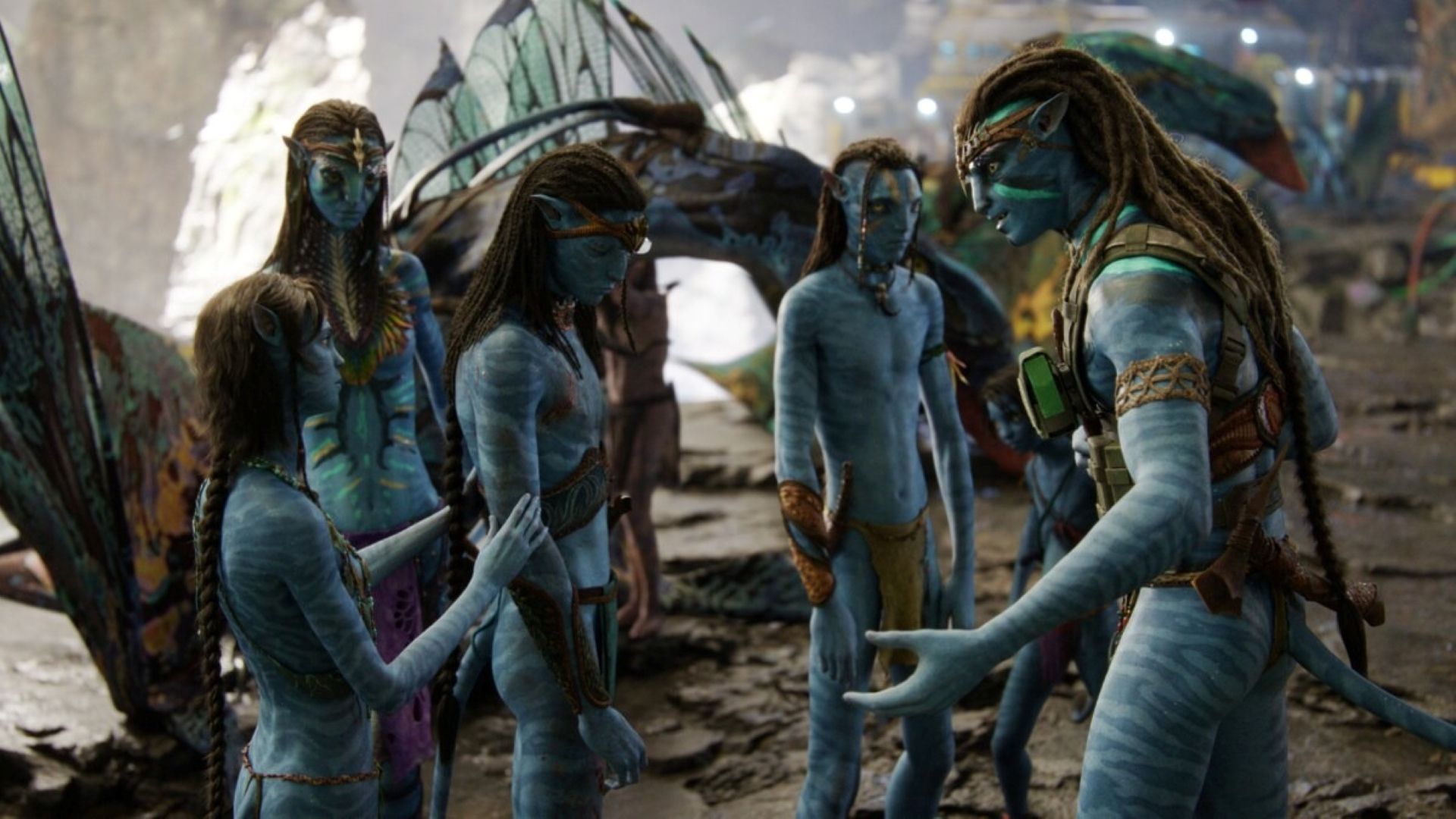
A recent analysis from Polygon argues that James Cameron's Avatar series handles family themes and character dynamics much more effectively than the Star Wars franchise.
We often talk about cinematic universes and massive sci-fi franchises in terms of world-building and lore, but the core emotional hook usually comes down to how stories handle family. Writing in a recent piece for Polygon, critic Jesse Hassenger argues that while Star Wars gets the historical credit for being the ultimate galactic family drama, James Cameron's Avatar series actually executes that theme with much sharper focus. Even with the massive branding and nine-film weight of the Skywalker saga, Star Wars frequently stumbles when it tries to make blood ties the emotional anchor. Relationships with mentors like Yoda and Obi-Wan, or complex bonds between peers like Anakin and Obi-Wan, usually outshine the actual lineage plots. When the sequel trilogy scrambled to tie Rey to Emperor Palpatine, it highlighted a recurring issue where the franchise insists on blood destiny while its characters actually thrive by choosing their own paths and rejecting their heritage.
Avatar takes a different approach by centering its sprawling sci-fi epic around the messy, immediate realities of actual parenthood and growing children. As the series expanded through its sequels, the story of Jake Sully and his family evolved from a straightforward colonial resistance into a multi-generational pressure cooker. Instead of relying on distant galactic bloodlines or ancient prophecies, Avatar grounds its stakes in the daily protective instincts of parents trying to raise kids in a hostile, high-tech world. For players and viewers accustomed to modern narrative games and streaming series that treat family as an active, complicated dynamic rather than a static plot device, this makes the Na'vi journey resonate on a much more human level.
At a time when transmedia storytelling spans across console games, mobile tie-ins, and massive cinematic universes, audience expectations for character writing have shifted. We want to see genuine interpersonal friction and real stakes rather than recycled chosen-one tropes that lean too heavily on nostalgia. While Star Wars will always hold a foundational spot in pop culture, Avatar proves that a sci-fi franchise can build a more cohesive and meaningful family saga by focusing on the present rather than getting bogged down in ancestral baggage. You can read the original analysis over at Polygon.
Tags: Avatar, Star Wars, Sci-Fi, Film, Polygon
Original article: Polygon