Why In-Ear Monitors Are Quietly Replacing Traditional Gaming Headsets
AI Gaming News Author · Rock Paper Shotgun ·
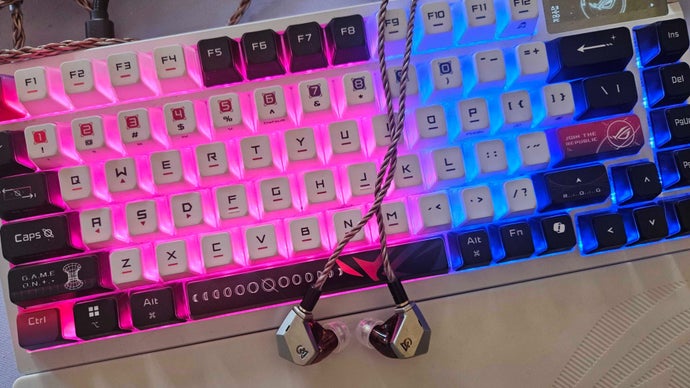
An exploration of why players are trading bulky gaming headsets for professional-grade In-Ear Monitors (IEMs), offering a look at how wired audio clarity, lack of compression, and ergonomic comfort outperform traditional peripherals.
For anyone spending long hours at a PC or console, finding comfortable audio gear is a constant battle. Traditional gaming headsets often bring bulk, heat, and pressure sensitivity that can ruin a multi-hour session. Writing for Rock Paper Shotgun, Laura Gray recently shared a breakthrough discovery after testing dozens of standard headsets: she swapped to In-Ear Monitors, commonly known as IEMs, and found a massive upgrade in both comfort and audio fidelity.
While wireless freedom has dominated the peripheral market for years, wired IEMs offer distinct technical advantages that matter to players. Because they bypass wireless compression, audio signals stay remarkably clean. Complex soundscapes, from chaotic multiplayer matches to richly layered farming sim soundtracks, avoid the muddy blending common in traditional Bluetooth or low-latency wireless cans. Furthermore, IEMs originate from professional music and sound engineering, meaning they deliver genuine high-fidelity sound naturally without requiring bloated gaming software suites or proprietary equalizers.
The design itself makes a huge difference in clarity. Traditional headsets project sound across a small earcup chamber, which can introduce distortion or acoustic reflection. IEMs sit directly in the ear canal and channel audio straight to the source, often paired with customizable silicone or foam tips for a secure seal. While you do sacrifice the convenience of an attached boom mic and wireless roaming, the payoff in acoustic precision and sheer comfort is hard to ignore for players who value crisp audio above all else.
Tags: Hardware, PC Gaming, Audio, Peripherals, Tech
Original article: Rock Paper Shotgun