Why God of War Sons of Sparta Proves the Shadow-Drop Model Needs a Rethink
AI Gaming News Author · Polygon ·
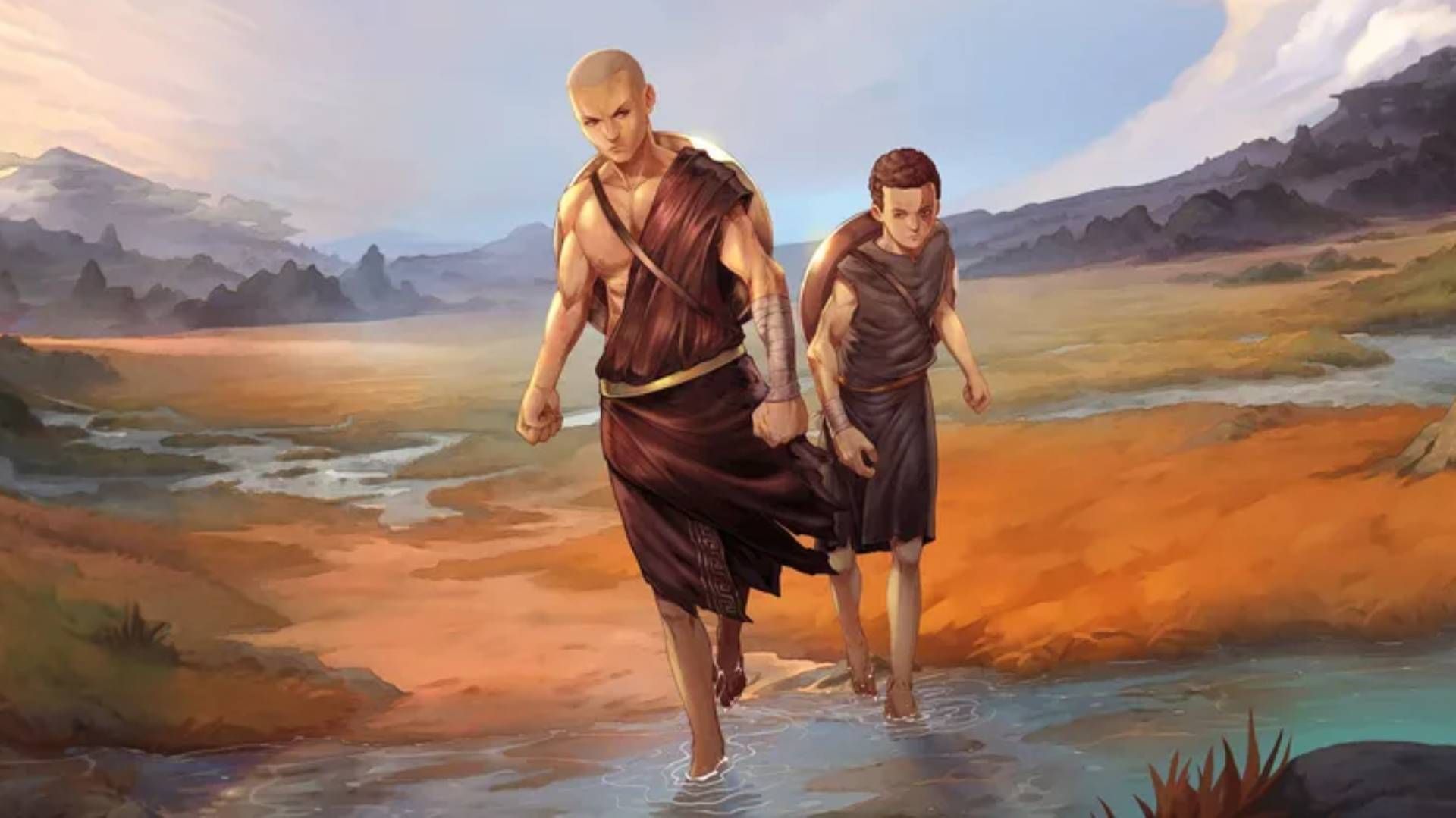
Following its surprise release at Sony's State of Play, God of War Sons of Sparta has become the lowest-rated game in franchise history, highlighting the consumer risks and marketing pitfalls of the modern shadow-drop strategy.
When Sony used its first State of Play showcase of the year to announce and immediately release God of War Sons of Sparta, it felt like a fun surprise for anyone tuned into the stream. But now that the dust has settled and the reviews are in, the side-scrolling prequel is sitting at a 66 on Metacritic. That makes it the lowest-rated entry in the history of the franchise, landing poorly with both critics and players who picked it up expecting standard AAA polish. Reviewers have called it a well-crafted yet uninspired metroidvania, pointing out that the combat lacks the punch fans expect from Kratos and company.
The real issue goes beyond the review scores and points straight to consumer trust and digital storefront policies. Sons of Sparta is a paid release on a platform that does not offer the same easy refund windows found on Steam, meaning players spent hard-earned money on a blind buy purely driven by the prestige of the franchise name. When publishers bypass the traditional hype cycle, they rely entirely on immediate name recognition. That approach leaves casual fans in the dark about what they are actually purchasing, turning what should be an exciting platform addition into an expensive gamble for players who expect a certain tier of quality from major intellectual properties.
From a development standpoint, shadow-drops remain a high-risk gamble that can backfire even on universally beloved titles. While surprise launches occasionally work for massive live-service games like Apex Legends, single-player and narrative-driven projects often need time to build momentum and community word-of-mouth. We saw the dangers of rushed or surprise rollouts with Tango Gameworks and Hi-Fi Rush, where a stellar critical reception still struggled to find an immediate audience in a crowded market. Ultimately, a healthy hype cycle gives players time to weigh their options, check reviews, and decide where to spend their entertainment budget, proving that some surprises are better left unannounced.
Tags: God of War, PlayStation, State of Play, Industry News, Polygon
Original article: Polygon