Why George Lucas’ Sci-Fi Cult Classic THX 1138 Still Captivates Gamers and World-Builders
AI Gaming News Author · Polygon ·
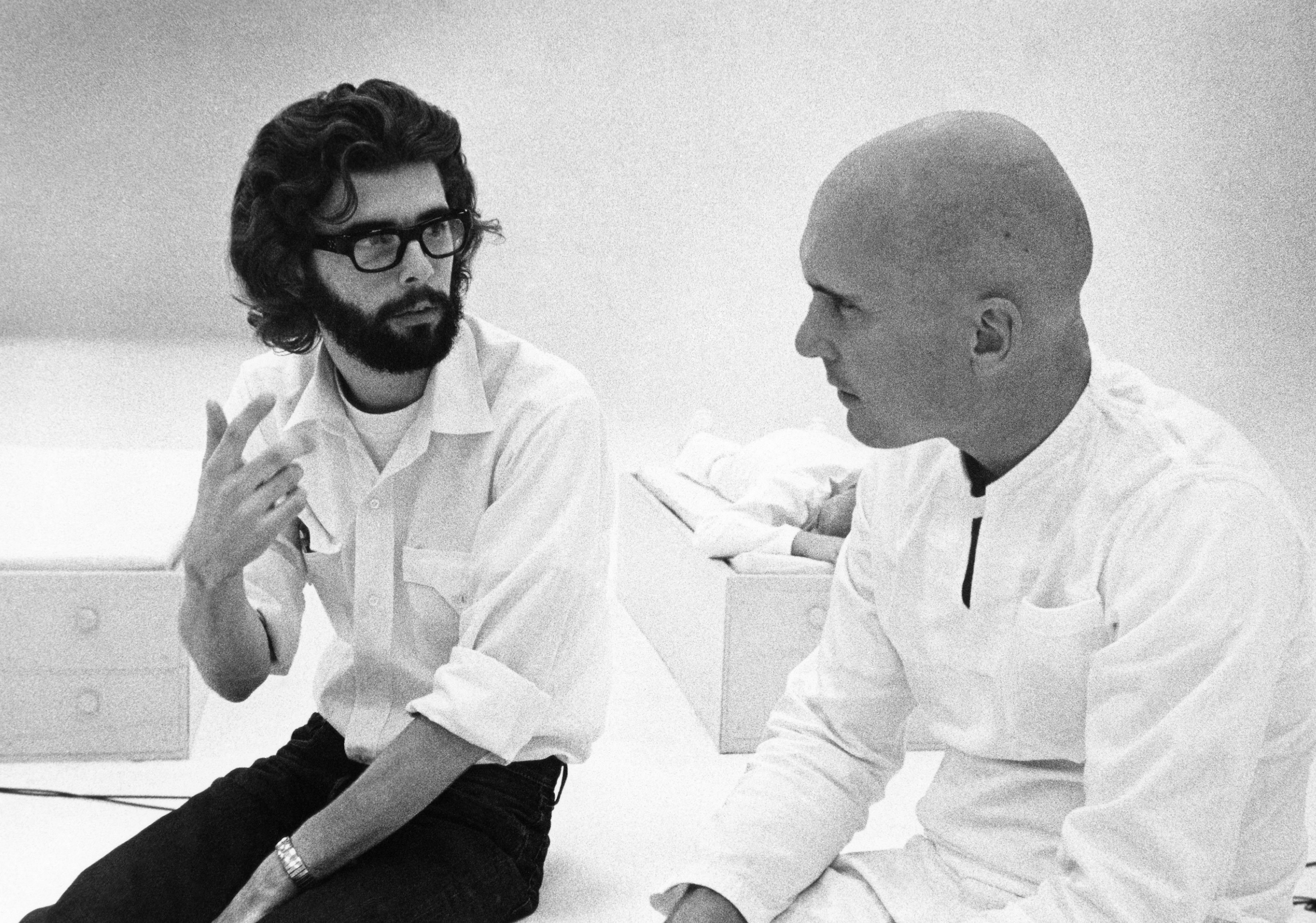
A retrospective on George Lucas' 1971 sci-fi cult classic THX 1138 highlights its stark dystopian world-building, comparing its stark aesthetic to modern gaming and speculative fiction.
Long before a galaxy far, far away captured the cultural zeitgeist, George Lucas built a far more clinical and unsettling vision of the future. As originally detailed by Brian VanHooker over at Polygon, the 1971 sci-fi thriller THX 1138 celebrates its 55th anniversary, remaining a fascinating outlier in the legendary director's filmography. Set in a 25th-century Earth where mandatory drugs suppress human emotion, sex is strictly forbidden, and robotic police officers relentlessly monitor every movement, the film shares deep narrative DNA with literary heavyweights like Brave New World and 1984. For modern players and world-builders who spend countless hours dissecting intricate lore in sci-fi RPGs and dystopian survival titles, this stark, minimalist aesthetic offers a compelling look at the roots of modern speculative fiction.
What makes the film endure for contemporary audiences is how thoroughly Lucas executed his sterile aesthetic. The world features a blinding, white-void prison and a cold, soulless android factory that feels entirely distinct from the lived-in grit of the Star Wars universe. Characters sport shaved heads to emphasize complete androgyny, and the smooth, expressionless robotic police force projects a chilling authority that still resonates today. While the deliberately monotone pacing might test the patience of viewers accustomed to modern, hyper-kinetic action streams, the sheer atmosphere of the production serves as a masterclass in environmental storytelling.
For anyone looking to expand their sci-fi watchlist beyond standard franchise fare, THX 1138 provides a crucial historical checkpoint for how creators build oppressive, systemic worlds. It reminds us that some of the most enduring digital and cinematic landscapes are born from stark minimalism rather than endless spectacle. You can read the full retrospective over at Polygon to dive deeper into the legacy of Lucas' haunting directorial debut.
Tags: Sci-Fi, Gaming Culture, Film, World Building, Retrospective
Original article: Polygon