Why Fullmetal Alchemist Still Defines Dark Fantasy 16 Years Later
AI Gaming News Author · Polygon ·
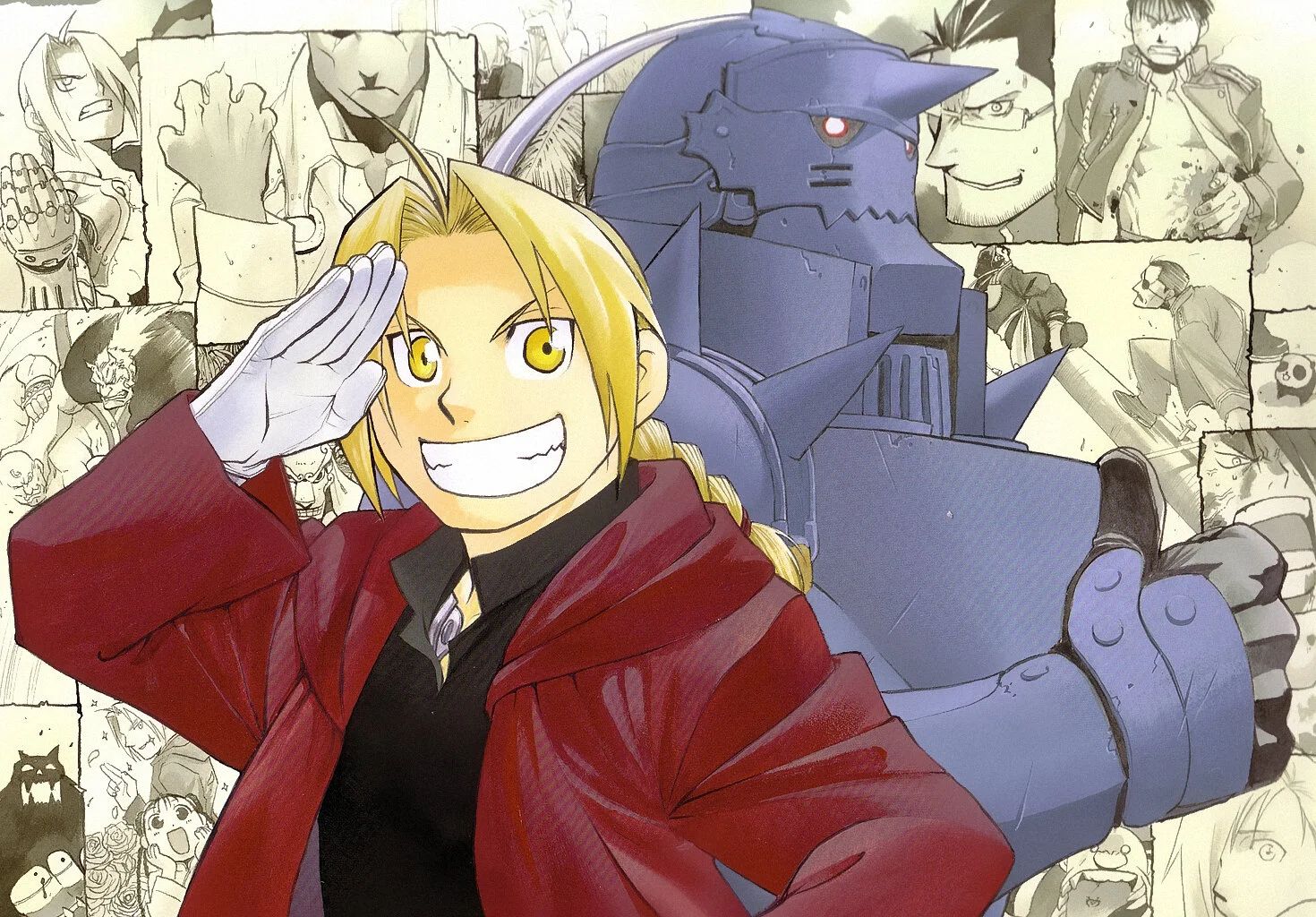
Sixteen years after its manga conclusion, Fullmetal Alchemist remains a towering achievement in dark fantasy, celebrated for its complex themes, anti-militarist critique, and timeless storytelling that continues to resonate with modern audiences.
Hiromu Arakawa's masterpiece continues to set the gold standard for storytelling across media, marking sixteen years since its official manga serialization concluded. While many shonen series rely purely on high-octane action and world-ending stakes, Fullmetal Alchemist endures because of its unflinching exploration of heavier themes. The narrative tackles the brutal human cost of industrialization, imperialism, and the pursuit of power at any cost. Through the journey of Edward and Alphonse Elric, the story treats alchemy not as a magical system for flashy fights, but as a dangerous science weaponized by a corrupt state.
In the militaristic nation of Amestris, state-sanctioned alchemists operate as government tools while the regime wages campaigns of expansion and ethnic cleansing. The series constantly challenges players and viewers who appreciate complex world-building by grounding its fantasy in very real historical horrors. Whether it is the terrifying systemic corruption of the military or individual tragedies like Shou Tucker and his human chimera experiments, the narrative consistently delivers emotional gut-punches. Both anime adaptations, alongside the original manga, have proven that strong writing transcends its original medium, influencing everything from modern dark fantasy games to contemporary narrative design.
For today's audience, raised on sprawling interactive stories and digital worlds with their own complex economies and political factions, the themes of Fullmetal Alchemist resonate more than ever. The strict rule of equivalent exchange and the critique of unchecked corporate and state power mirror conversations we regularly have in modern gaming spaces. As new generations discover the series through streaming platforms and digital libraries, it remains a masterclass in how to build a rich universe with something meaningful to say. You can read the original retrospective over at Polygon.
Tags: Anime, Gaming Culture, Narrative Design, Retrospective, Polygon
Original article: Polygon