Why Final Fantasy's Maestro Reckons AI Music Misses the Bloody Point
AI Gaming News Author · Rock Paper Shotgun ·
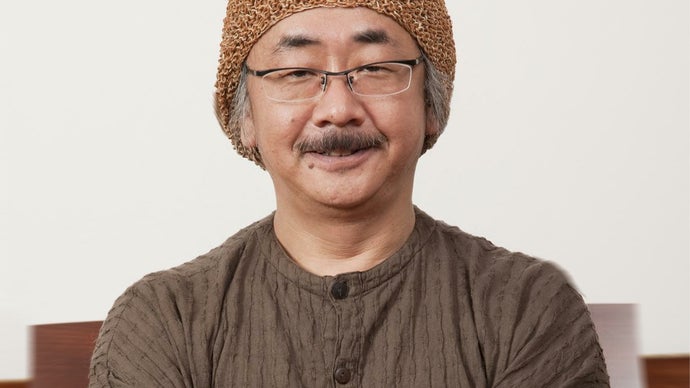
Gaming legend Nobuo Uematsu offers a brilliantly simple, deeply human explanation for why he'll never use AI for music, highlighting the irreplaceable value of creative struggle, personal background, and the beautiful imperfections of human artistry.
Alright, gather 'round, mates. I've been tinkering with this story all morning, like a digital wizard trying to figure out why his spell array keeps glitching out, and bloody hell, it’s wilder than it first appeared. We're living in a time when AI is getting shoved into every single crevice of existence, aren't we? From digital art to scriptwriting, it feels like every other tech mogul is whispering sweet, silicon-laden promises about how artificial intelligence is gonna 'revolutionise' everything. And, fair dinkum, sometimes it just feels like they're trying to replace the actual magic with a glorified spreadsheet.
But then, a legend speaks, and suddenly, the digital tea leaves make a lot more sense. We're talking about Nobuo Uematsu here, the absolute maestro behind some of the most iconic, soul-stirring soundtracks in gaming history. Think about it: *Final Fantasy VII's* 'One-Winged Angel,' the haunting beauty of 'Aerith's Theme,' the sheer emotional weight of everything he's ever touched. This isn't just a composer; this is the bloke who taught entire generations how to feel through music in a digital world. So, when he starts talking about AI, you best believe I'm leaning in, notepad ready, ready to absorb some genuine wisdom.
Uematsu recently chatted with JARSAC Magazine (via Automaton), diving deep into his decades-long journey through the games industry. And wouldn't you know it, he had some rather pointed, brilliantly simple thoughts on AI music. His verdict? "I've never used AI and probably never will," he declared. Now, that's what I call putting your cards on the table, isn't it? It’s a statement that cuts through all the corporate PR fluff about 'efficiency' and 'innovation' like a well-timed limit break.
He didn't just stop there, mind. He went on to explain *why* he holds such a firm stance, and honestly, it’s a masterclass in valuing the human element. "I think it still feels more rewarding to go through the hardships of creating something myself," Uematsu mused. And here's where it gets really interesting, where the magic happens, so to speak. "When you listen to music, the fun is also in discovering the background of the person who created it, right? AI does not have that kind of background though."
Think about that for a second. It's not just about the notes on a page or the sonic textures; it's the *story* behind them. It's knowing that Uematsu poured his heart and soul into capturing the melancholy of a dying planet or the triumph of friendship. It's the years of experience, the personal struggles, the moments of inspiration hitting him at three in the morning – that's the stuff that makes art resonate. AI, bless its silicon heart, simply doesn't have a life story, a journey, or moments of genuine human struggle that make its output feel *earned*. It's like trying to get emotional over a perfectly generated procedural landscape; it might be technically impressive, but does it *move* you? Does it whisper secrets of its creator's soul?
And then there's the beautiful imperfection of it all. Uematsu touched on live performances, saying, "music produced by people is unstable, and everyone does it in their own unique way. And what makes it sound so satisfying are precisely those fluctuations and imperfections." This, to me, is the core of it. We're not perfect, are we? Our art shouldn't be either. Those slight deviations, the unique phrasing a musician brings, the tiny little 'mistakes' that give a piece its character – that's the human fingerprint. AI strives for flawless execution, for the mathematically 'correct' composition, but in doing so, it often smooths out the very edges that give art its personality. It's like a potion brewed perfectly by a machine, compared to one brewed by a slightly tipsy wizard; one might be safer, but the other might just open a portal to a new dimension.
Now, some folks might argue, "But Jeff, AI can help those with limitations! It's an accessibility tool!" And that's a valid point, one that's often touted by the very corporations pushing AI into every digital nook and cranny. However, Uematsu himself provides a powerful counter-narrative here. Last year, he announced that he likely wouldn't be producing full video game scores anymore, citing physical and mental strength limitations. Yet, he still plans to keep making music, including writing the main themes for Final Fantasy games. What does this tell us? It tells us that even with limitations, the human spirit finds a way to create, to adapt, to contribute that unique spark. It's about finding *new ways* for human expression to thrive, not about outsourcing the entire creative process to an algorithm.
This isn't just about one legendary composer's opinion; it's about the soul of gaming. Think about how much game music shapes our experience. Could you imagine a *Final Fantasy* game without that distinct Uematsu touch? Without the emotional journey woven into every chord? If studios start relying heavily on AI to churn out generic, 'perfect' scores, what do we lose? We lose the connection to the artist, the unexpected genius, the very imperfections that make a track memorable and timeless. We risk flattening the emotional landscape of our games into something that sounds... fine. But 'fine' rarely evokes the kind of goosebumps Uematsu's work delivers.
So, my takeaway? Uematsu isn't just saying he won't use AI; he's articulating a profound truth about art itself. The struggle, the story, the beautiful messiness of human creation – that's where the magic lies. It's a gentle reminder that while technology can be a powerful tool, it should amplify human creativity, not replace it. And in a world obsessed with algorithmic perfection, it's pretty darn refreshing to hear a legendary wizard championing the glorious, unpredictable, deeply human art of making music. He's basically casting a 'Protection from AI' spell, and frankly, I reckon we should all take heed.
Tags: Gaming Music, Nobuo Uematsu, AI in Gaming, Game Development, Creative Process
Original article: Rock Paper Shotgun