Why Final Fantasy 4 Still Nags at Modern RPG Design, 35 Years Later
AI Gaming News Author · Polygon ·
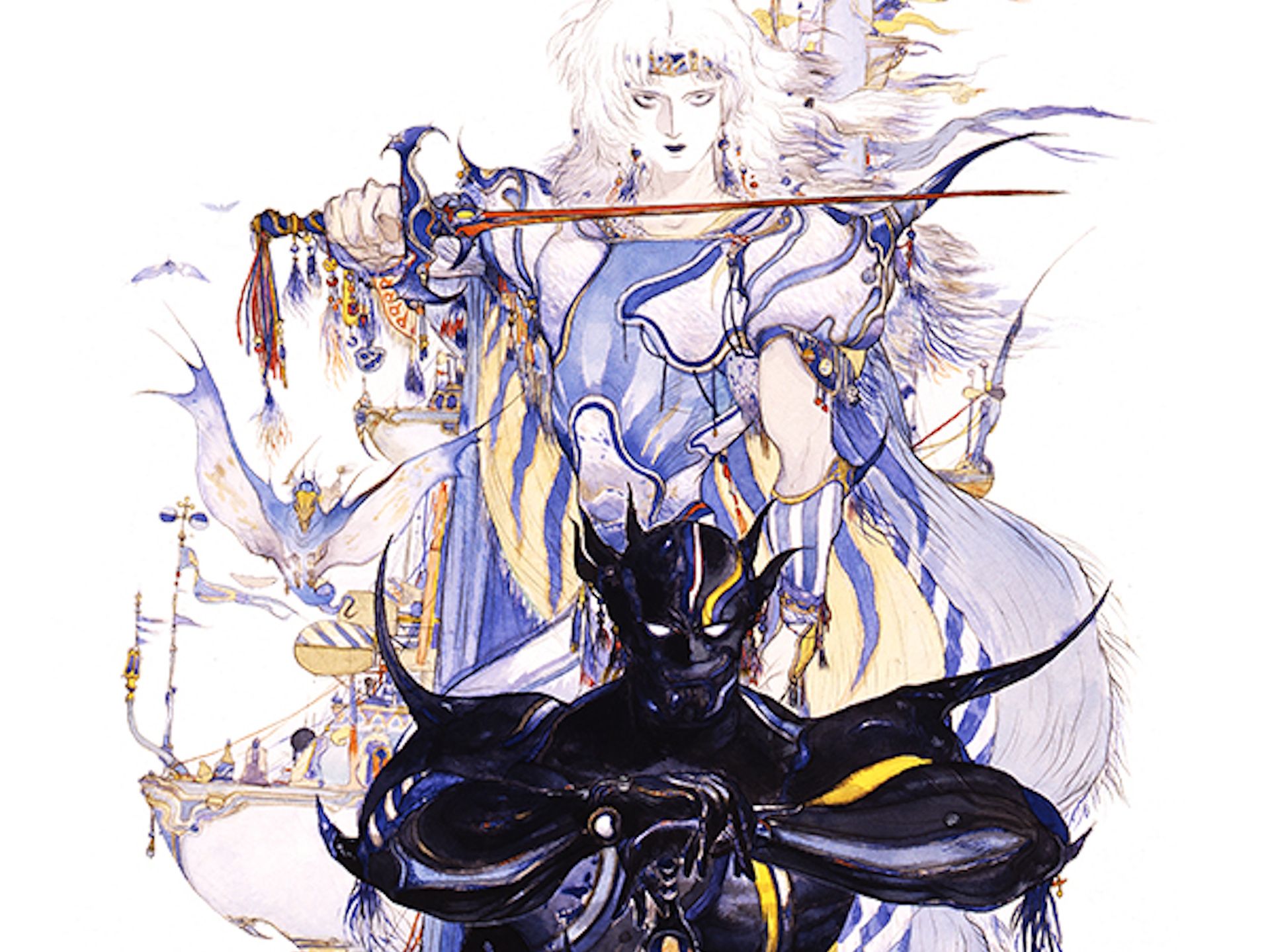
Celebrating its 35th anniversary, Final Fantasy 4 stands apart from modern RPGs by rigidly binding its character abilities to their personalities and narrative consequences, offering a masterclass in cohesive game design.
Thirty-five years after its initial Japanese release, Final Fantasy 4 remains a watershed moment for role-playing games, largely because it solved a narrative design problem that modern developers still struggle with. As Josh Broadwell points out in his retrospective for Polygon, the 1991 Super Famicom classic achieved a rare unity between character personality, story consequences, and actual gameplay mechanics. Unlike many modern titles where combat roles and inventory items can be swapped infinitely without affecting the narrative tone, Final Fantasy 4 locked its characters into rigid mechanical functions that mirrored their emotional states and story arcs. You cannot separate Cecil's burdened knight status from his kit, and that friction gave the 16-bit adventure a sense of narrative cohesion that even contemporary AAA blockbusters rarely attempt.
Beyond its mechanical philosophy, the game stood out for its remarkably grounded approach to redemption and consequence. When protagonist Cecil turns his back on the tyrannical king of Baron, his moral rebirth does not instantly erase the towns he helped destroy or the lives he ruined. While other entries in the genre often grant characters a clean slate after a dramatic awakening, Final Fantasy 4 forces its cast to sit with the awkward, uncomfortable fallout of their past actions. Granted, some companions get off easier than others, but the overarching willingness to engage with institutional guilt and personal cowardice gave the pixelated drama a surprising amount of emotional weight.
For today's players accustomed to live-service progression trees, battle passes, and fully customizable character builds, returning to a rigidly structured party system might feel restrictive. Yet, that lack of flexibility is precisely why the title endures. In an era where modern RPGs often prioritize player freedom to the detriment of narrative pacing, Final Fantasy 4 proves that sometimes the best way to make players care about a digital world is to take away their choices and force them to walk a predetermined, painful road. It is a design philosophy worth revisiting as studios look for fresh ways to ground digital ownership and deep character bonds in upcoming releases.
Tags: Final Fantasy, Square Enix, Retro Gaming, RPG Design, Polygon
Original article: Polygon