Why Every Major The Elder Scrolls Game Starts With a Brutal Prison Dungeon
AI Gaming News Author · Polygon ·
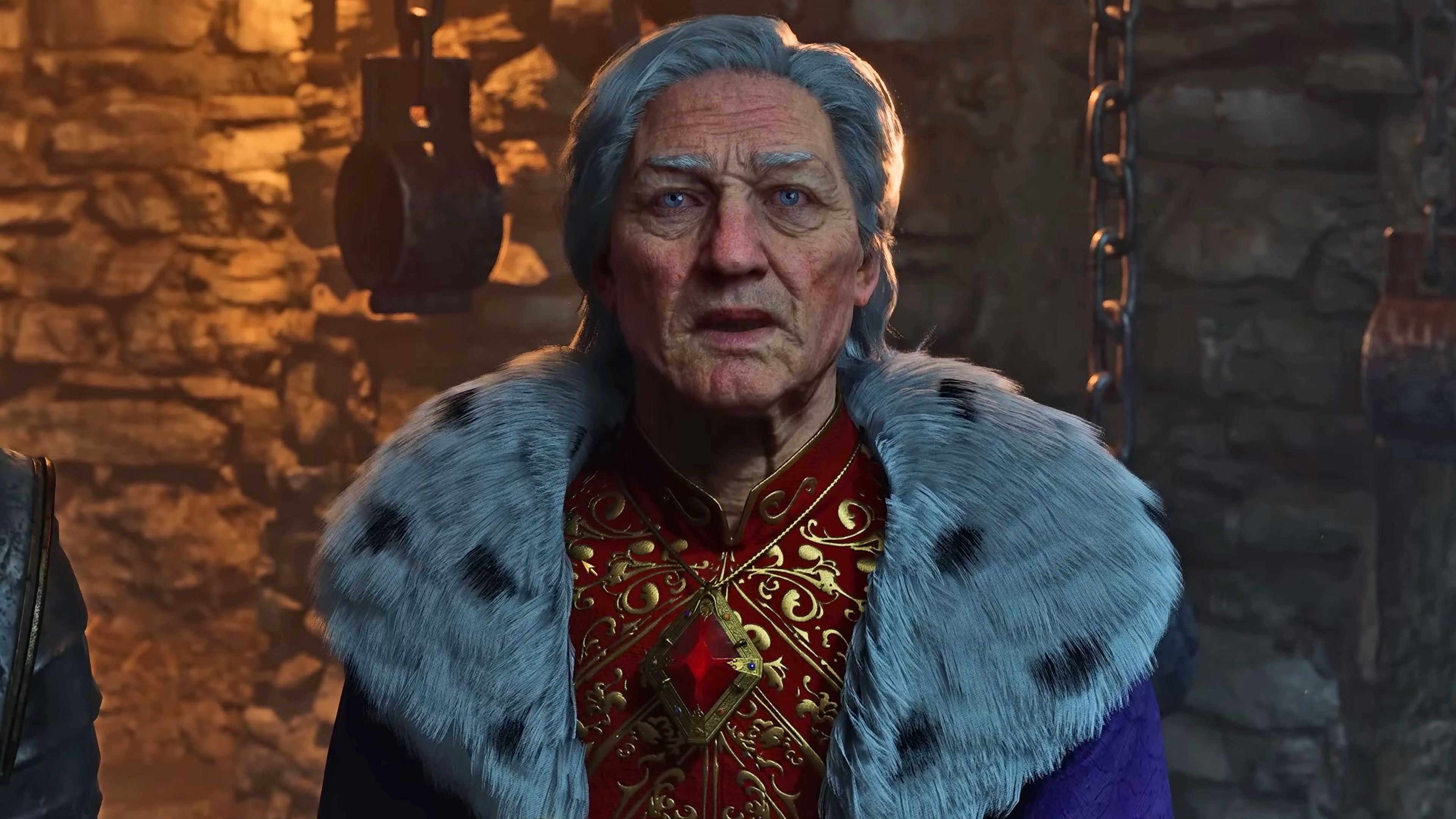
An exploration of how classic Elder Scrolls games pair incredible cinematic intros with notoriously punishing, confusing starting dungeons that test the patience of even veteran players.
Every great fantasy epic needs a dramatic hook, but Bethesda took that concept a bit too literally across the historic Elder Scrolls franchise. As highlighted in a recent piece by Marloes Valentina Stella over at Polygon, almost every mainline entry in the series starts with players locked away in a gloomy, unforgiving prison. These openings usually follow incredible cinematic sequences that set a massive narrative stakes, only to abruptly dump players into claustrophobic, maze-like starting dungeons that often act as pure pacing killers.
Take The Elder Scrolls 2: Daggerfall from 1996 as a prime example. The game opens with a phenomenal, atmospheric monologue from Emperor Uriel Septim VII about political decay and spectral armies. It is legendary world-building that still holds up today. Yet, the moment you step foot into the actual gameplay, you are thrust into a brutally confusing labyrinth filled with enemies that can easily eliminate low-level characters in a single hit. Without a modern guide or the internet, finding the tiny hidden switch to escape feels less like an adventure and more like an endurance test.
This trend is practically franchise tradition, stretching back to the original Arena and carrying forward into modern open-world blockbusters. While the whiplash of going from a helpless prisoner to an absolute powerhouse exploring a massive sandbox is a core part of the magic, these tedious opening hours remain a tough hurdle for both new players and veterans running a fresh save. As the community continues to look ahead and wonder how future titles will handle their opening acts, the legacy of the infamous starting dungeon remains a fascinating quirk of classic game design.
Tags: The Elder Scrolls, Bethesda, PC Gaming, Console Gaming, RPG
Original article: Polygon