Why Dragon Age 2 Remains BioWare's Most Underrated Gamble
AI Gaming News Author · Polygon ·
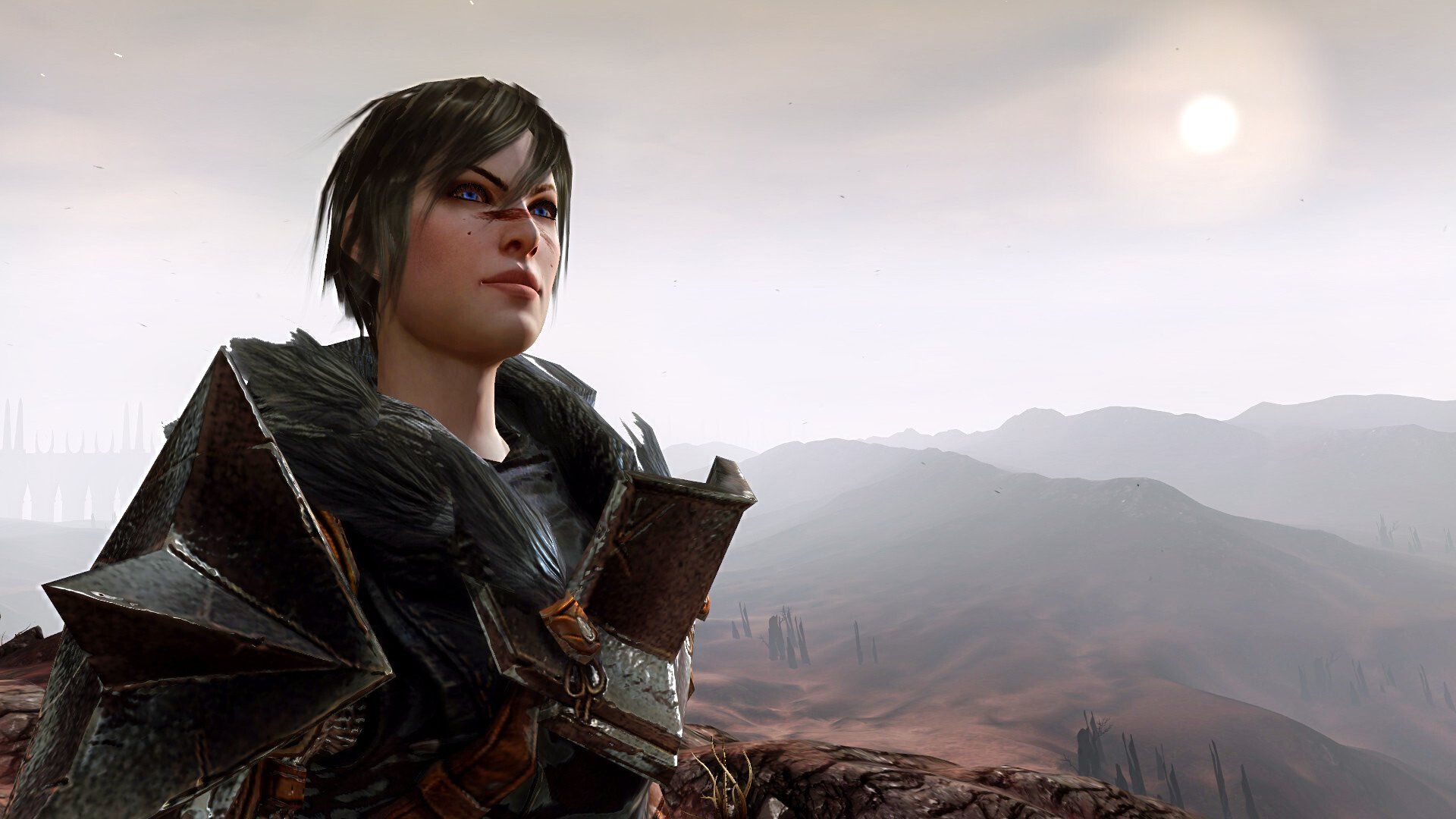
A retrospective look at Dragon Age 2 highlights how a rushed 16-month development cycle forced BioWare to ditch safe fantasy tropes in favor of a personal, tragic story that still stands out today.
When BioWare dropped Dragon Age 2 back in 2011, it completely upended the formula that made Origins a massive hit. Instead of playing a customizable hero destined to save the entire world from a singular evil, players stepped into the boots of Hawke, a refugee simply trying to survive over a gritty seven-year span in the single city of Kirkwall. There was no grand, triumphant save-the-day ending waiting at the finish line. Instead, the game offered a deeply personal and often tragic narrative where winning rarely felt clean, and almost every choice came with a heavy cost.
That radical departure from tradition was born out of intense pressure rather than pure creative luxury. As former lead writer David Gaider recently shared in an interview with TheGamer, the development team had to pull off a full-fledged sequel in just 14 to 16 months under brutal crunch conditions. Because the studio had so little time to second-guess or overcorrect in response to focus groups, the resulting game functioned almost like an unfiltered first draft, complete with infamous asset-reuse quirks that fans still talk about today.
Yet, that raw lack of endless polishing is precisely what gave the game its unique soul. By shedding the sprawling, grind-heavy semi-open worlds and traditional Chosen One tropes that later bogged down entries like Inquisition, Dragon Age 2 proved that focused storytelling and high-stakes character dynamics often trump epic scale. It stands today as a masterclass in narrative risk, reminding modern players that sometimes the best gaming experiences happen when a studio throws away the safe playbook and simply lets a story get messy.
Read the full retrospective over at Polygon.
Tags: BioWare, Dragon Age 2, RPG, Polygon, Gaming History
Original article: Polygon